
Views: 0 Author: Site Editor Publish Time: 2026-08-13 Origin: Site


When architects and homeowners embark on the journey of designing or renovating a property, one of the most critical decisions they face involves selecting the right fenestration. The debate between traditional window styles and contemporary alternatives has shaped architectural trends for decades. Today, the shift toward minimalist, highly functional design has made modern aluminum windows a cornerstone of contemporary architecture. Unlike the bulky, maintenance-heavy wooden frames of the past, today's advanced aluminum fenestration offers an unparalleled combination of structural integrity, thermal efficiency, and sleek aesthetics. Choosing the right window is not merely about filling an opening in a wall; it is about defining the character of a building, managing natural light, ensuring security, and optimizing energy consumption over the lifespan of the structure.
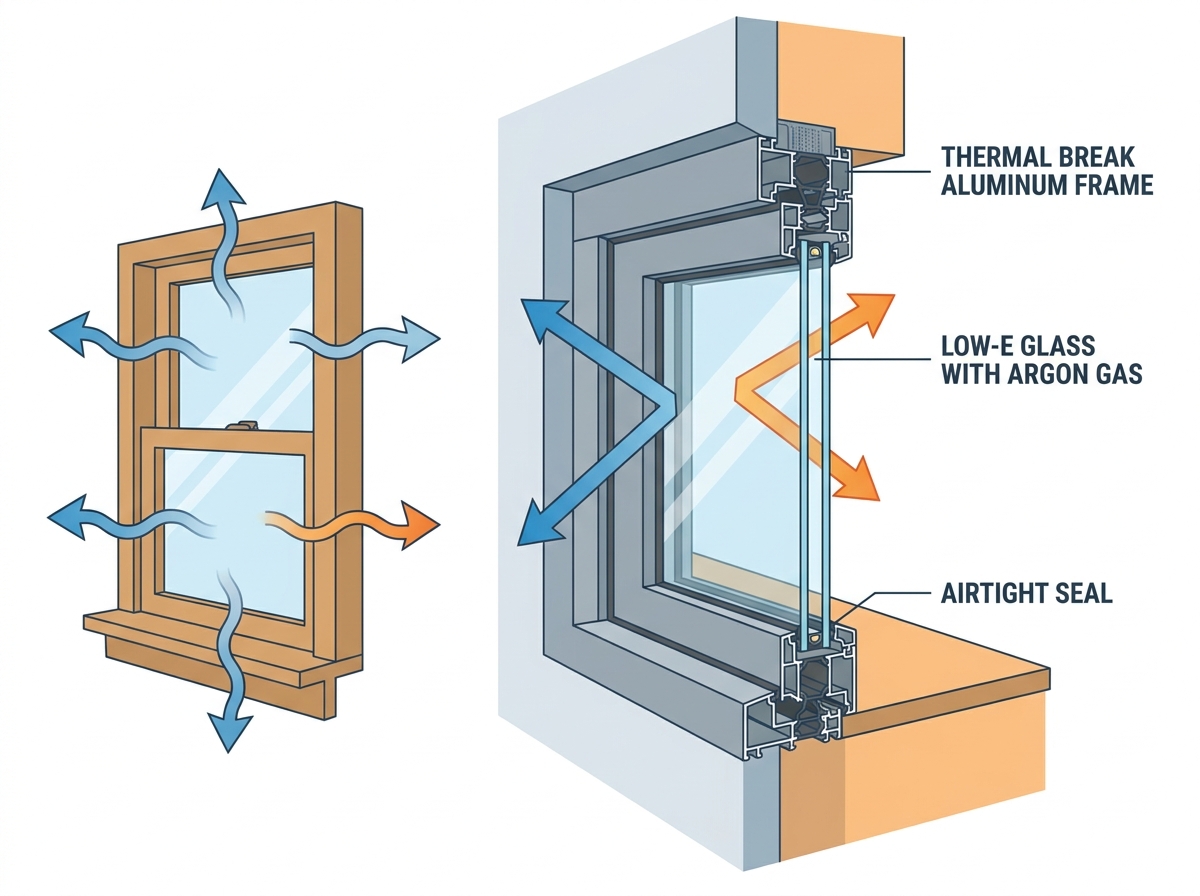
For centuries, traditional window styles relied heavily on timber. While wood offers a classic, warm aesthetic and natural insulation properties, it is inherently susceptible to environmental degradation. Traditional wooden windows require rigorous, ongoing maintenance to prevent rot, warping, and termite damage. They must be sanded, treated, and repainted regularly to withstand the elements. Furthermore, traditional wood frames are typically thick and bulky, which restricts the amount of glass that can be used and, consequently, limits the natural light entering the space. In contrast, the evolution of metallurgy and manufacturing technologies has revolutionized the window industry. Modern engineering has transformed aluminum from a thermally conductive liability into a highly efficient, robust, and versatile building material that meets the stringent demands of modern building codes and energy standards.
To truly appreciate the advantages of modern aluminum windows, it is essential to understand the limitations of traditional materials. Traditional window styles, including those made from wood and early generations of vinyl, often struggle to balance structural strength with aesthetic appeal. Wood, while beautiful, expands and contracts with changes in humidity and temperature. This constant movement can compromise the airtight seal of the window, leading to drafts, energy loss, and eventual structural failure. Vinyl windows, introduced as a low-maintenance alternative to wood, are cost-effective but lack the inherent strength required for large expanses of glass. Under extreme heat, vinyl can warp, and in freezing temperatures, it can become brittle. Additionally, the thick profiles required to give vinyl frames adequate strength often detract from the clean, minimalist lines desired in modern architecture.
Aluminum, on the other hand, boasts an exceptional strength-to-weight ratio. This inherent structural integrity allows manufacturers to create slim frame windows that maximize the glass area and provide unobstructed panoramic views. The use of Grade 6063-T5 Thermal Break Aluminum represents a significant leap forward in window technology. This specific grade of aluminum is renowned for its excellent extrudability, high tensile strength, and superior corrosion resistance. When utilized in window frames, it allows for the creation of expansive glass facades that can withstand immense environmental pressures without compromising the sleek, narrow sightlines that define contemporary design.
The historical drawback of aluminum—its high thermal conductivity—has been completely eradicated through the implementation of thermal break technology. A thermal break is a continuous barrier of low thermal conductivity material, typically polyamide, positioned between the interior and exterior aluminum profiles. This barrier effectively interrupts the transfer of heat and cold, ensuring that the interior surface of the window frame remains at a comfortable temperature regardless of external weather conditions. When comparing modern aluminum windows equipped with thermal breaks to traditional window styles, the energy efficiency of the aluminum option is vastly superior, contributing to lower heating and cooling costs and a reduced carbon footprint for the building.
One of the most compelling reasons architects and builders favor modern aluminum over traditional styles is its unparalleled structural strength. This strength is particularly crucial in commercial buildings, high-rise apartments, and coastal properties exposed to severe weather conditions. The DAW Aluminium Fixed Window, for example, utilizes structural glazing engineered to withstand high wind pressures, achieving a Level 5+ wind pressure resistance rating. This level of durability ensures that the windows remain intact and secure even during severe storms, providing peace of mind for occupants and reducing the risk of catastrophic building envelope failure.
Security is a paramount concern for any property owner. Traditional operable windows, with their various hinges, latches, and locking mechanisms, present multiple potential points of failure that intruders can exploit. Over time, the hardware on traditional windows can degrade, loosen, or rust, further compromising the security of the building. In contrast, a permanently glazed frame without opening mechanisms creates an airtight seal that prevents air infiltration and significantly enhances security. Because the DAW Aluminium Fixed Window lacks moving parts or locking hardware, it eliminates the vulnerabilities associated with traditional operable windows, increasing security against forced entry.
This fixed design is particularly advantageous in ground-floor commercial storefronts, office buildings, and residential spaces where ventilation is handled by dedicated HVAC systems rather than operable windows. By removing the mechanical components, the window becomes a solid, impenetrable barrier. The integration of advanced glass options, such as Double or Triple Tempered Glass and Laminated glass, further fortifies the window against impact. Tempered glass is treated to be significantly stronger than standard glass, and if broken, it shatters into small, blunt pieces rather than dangerous shards. Laminated glass features an interlayer that holds the glass together even when shattered, providing an additional layer of security and safety.
The performance of a window is not solely dependent on its frame; the glazing plays an equally critical role. Traditional window styles often featured single-pane glass, which provided virtually no insulation against temperature fluctuations or exterior noise. Even early double-pane windows lacked the advanced technologies that make modern windows so efficient. Today, modern aluminum windows leverage cutting-edge glazing solutions to deliver exceptional thermal and acoustic performance.
The DAW Aluminium Fixed Window features Low-E (Low-Emissivity) glass with Argon gas fills to dramatically improve thermal insulation. Low-E coatings are microscopically thin, virtually invisible metallic layers applied to the glass surface. These coatings reflect interior heat back into the room during the winter and reflect exterior solar heat away from the building during the summer. This selective transmission of energy significantly reduces the reliance on artificial heating and cooling systems. Furthermore, the space between the glass panes is filled with Argon gas, an inert, non-toxic gas that is denser than air. The Argon gas acts as an additional insulating barrier, minimizing convective heat transfer between the panes and further enhancing the window's overall thermal efficiency.
In our increasingly noisy, urbanized world, acoustic insulation is a critical component of building design. Traditional windows, with their inherent gaps and standard glass, offer little protection against street noise, traffic, and other environmental sounds. Modern aluminum windows, particularly fixed designs, excel in this area. The permanently glazed, airtight seal of the DAW Aluminium Fixed Window inherently blocks noise transmission better than operable windows. When combined with specialized glazing, such as laminated glass with acoustic interlayers, these windows can achieve a maximum sound insulation of up to 45 dB. This level of acoustic control is transformative, turning noisy urban apartments, busy office buildings, and homes near airports or highways into quiet, peaceful sanctuaries.
While performance and durability are critical, the visual impact of windows cannot be overstated. Traditional window styles often dictate the aesthetic of a building, imposing a specific historical or rustic look that may not align with the architect's vision. Modern aluminum windows offer incredible aesthetic flexibility, allowing them to seamlessly integrate into a wide variety of architectural styles, from ultra-modern minimalist homes to repurposed industrial lofts and sleek commercial facades.
The surface treatment of aluminum frames not only protects the metal from corrosion but also provides a canvas for architectural expression. Standard finishes for the DAW Aluminium Fixed Window include Powder Coated (RAL Colors), Anodized, and Wood Grain options. Powder coating is a highly durable finish that is applied as a dry powder and then cured under heat, creating a hard, vibrant surface that resists chipping, scratching, and fading. The availability of the full RAL color spectrum means that architects can specify exact shades to match or contrast with the building's exterior and interior palettes. For instance, black aluminum windows have become incredibly popular in modern design, offering a bold, graphic outline that frames the view like a piece of art.
Anodizing is an electrochemical process that thickens the natural oxide layer on the surface of the aluminum parts. This finish is exceptionally durable and corrosion-resistant, making it ideal for harsh environments, such as coastal areas prone to salt spray. Anodized finishes typically offer a metallic appearance, ranging from clear silver to deep bronze and black, which complements industrial and contemporary aesthetics perfectly. For those who desire the warmth and traditional look of wood without the associated maintenance and durability issues, Wood Grain finishes provide a remarkable solution. Through a sublimation process, a highly realistic wood grain pattern is transferred into the powder-coated surface of the aluminum, resulting in a frame that looks like timber but performs like high-grade aluminum.
The strength and extrudability of aluminum allow for the creation of virtually any window shape and configuration. While traditional wood windows are often limited to standard rectangular or arched shapes due to manufacturing constraints, aluminum can be fabricated into expansive, complex geometric designs. This flexibility is essential for creating unique architectural features, such as floor-to-ceiling glass walls, intricate skylights, and dramatic atriums. The ability to specify custom aluminum windows ensures that every project can achieve its specific design goals without compromising on performance or structural integrity.
The versatility of modern aluminum fixed windows makes them suitable for a vast array of applications across both residential and commercial sectors. Their unique combination of strength, efficiency, and aesthetics solves many of the challenges associated with traditional window styles.
In high-rise buildings, the demands placed on windows are extreme. They must withstand immense wind loads, severe weather fluctuations, and structural movements. Traditional materials are simply inadequate for these applications. The DAW Aluminium Fixed Window, with its Grade 6063-T5 Thermal Break Aluminum frame and Level 5+ wind pressure resistance, is specifically engineered for these demanding environments. The fixed design ensures that there are no operable sashes that could be caught by high winds or accidentally left open, compromising the building's HVAC efficiency and safety. Furthermore, in commercial buildings, storefronts, and office buildings, large expanses of fixed aluminum windows maximize natural light, creating bright, inviting spaces that enhance productivity and customer experience.
In residential architecture, modern aluminum fixed windows are frequently used in living rooms to frame picturesque views and flood the space with natural light. Because they lack the bulky frames and dividing mullions of traditional window styles, they blur the line between indoor and outdoor spaces, making rooms feel larger and more connected to their surroundings. Additionally, for homes located in coastal areas prone to storms and corrosive salt air, the durability of aluminum is indispensable. Unlike wood, which rots, or vinyl, which can degrade under intense UV exposure, properly finished aluminum withstands the harsh coastal environment year after year with minimal degradation.
The structural strength of aluminum makes it the ideal material for overhead glazing applications, such as skylights and atriums. These architectural features require frames that can support the significant weight of double or triple-glazed glass units while resisting the forces of gravity, wind, and potentially snow loads. Traditional materials struggle to provide the necessary strength without becoming excessively bulky and blocking the light they are intended to let in. Modern aluminum fixed windows provide the perfect solution, offering slim profiles that maximize light transmission while ensuring absolute structural safety and weather tightness.
When evaluating modern aluminum windows against traditional window styles, one must consider the entire lifecycle of the product, including installation, ongoing maintenance, and long-term value. While the initial investment in high-quality thermal break aluminum windows may be higher than some traditional alternatives, the long-term benefits far outweigh the upfront costs.
One of the most significant advantages of modern aluminum windows is their incredibly low maintenance requirement. Traditional wooden windows demand a relentless cycle of scraping, sanding, painting, and sealing to prevent deterioration. This ongoing maintenance is not only time-consuming but also costly over the life of the building. In stark contrast, the powder-coated or anodized finishes on modern aluminum frames are exceptionally durable and require virtually no maintenance other than routine cleaning. They will not rot, warp, crack, or peel, ensuring that the windows look as good decades later as they did on the day they were installed.
However, it is important to note the specific cleaning considerations for fixed windows. Because they do not open, cleaning the exterior glass on upper floors requires specific approaches. For residential applications, this often involves using a squeegee with an extension pole. For high-rise commercial or residential buildings, exterior cleaning requires professional window cleaning services utilizing scaffolding, suspended platforms, or specialized water-fed pole systems. While this requires planning, the elimination of operable parts reduces the overall mechanical maintenance and repair costs associated with hinges, handles, and locking mechanisms.
While modern aluminum fixed windows offer extraordinary benefits, it is crucial to understand their specific limitations to ensure they are specified correctly for a project. The most obvious limitation of a fixed window is that it does not provide ventilation. Therefore, they must be used in conjunction with operable windows, doors, or a comprehensive mechanical HVAC system to ensure adequate indoor air quality and temperature control. Additionally, while the standard acoustic performance is excellent, achieving the maximum sound insulation of 45 dB requires the specification of specialized glazing, such as acoustic laminated glass, which must be factored into the project's budget and design requirements.
The transition from traditional window styles to modern aluminum fenestration represents a fundamental shift in architectural priorities. It is a move away from materials that require constant upkeep and impose design limitations, toward engineered solutions that offer unparalleled performance, durability, and aesthetic freedom. The integration of thermal break technology has neutralized aluminum's historical weakness, transforming it into a highly energy-efficient material that meets the demands of modern sustainable building practices. Furthermore, the structural strength of Grade 6063-T5 aluminum allows for the expansive, uninterrupted glass surfaces that define contemporary design, providing natural light and visual connection to the outdoors without compromising security or weather resistance.
When comparing the two approaches, traditional windows often force a compromise between aesthetics and performance. Wood may look beautiful but requires endless maintenance and is susceptible to the elements. Vinyl may be cheap and low maintenance but lacks strength and aesthetic refinement. Modern aluminum windows, however, require no such compromises. They offer the strength to withstand severe weather, the thermal efficiency to reduce energy consumption, the acoustic properties to ensure a quiet interior, and the aesthetic flexibility to complement any architectural vision. Whether utilized in a towering commercial skyscraper, a coastal residential retreat, or a modern urban storefront, advanced aluminum fenestration provides a reliable, long-lasting, and visually stunning solution that traditional materials simply cannot match.
The DAW Aluminium Fixed Window represents the pinnacle of modern fenestration, offering architects and homeowners an exceptionally durable, permanently glazed solution that guarantees an airtight seal, superior security with no moving parts, and outstanding thermal efficiency via Low-E glass with Argon gas. Engineered from Grade 6063-T5 Thermal Break Aluminum to withstand Level 5+ wind pressures and provide up to 45 dB of sound insulation with specialized glazing, this window is the ultimate choice for high-rise buildings, coastal storm zones, and contemporary commercial or residential spaces demanding sleek, maintenance-free aesthetics and uncompromising structural integrity.


