
Views: 0 Author: Site Editor Publish Time: 2026-07-13 Origin: Site


Architects and builders face a strict set of demands when designing modern facades. You need window frames that deliver striking visual contrast without compromising structural integrity or thermal performance. Dark window frames have transitioned from industrial warehouse applications to become the defining feature of high-end contemporary residential and commercial architecture. This shift happens because dark profiles frame exterior views like a photograph while anchoring the overall exterior aesthetic.
Choosing the right materials and specifications dictates the success of the building envelope. While dark vinyl or wood frames struggle with thermal expansion and weathering, black aluminum windows offer unmatched stability under intense solar exposure. They represent a long-term design asset rather than a passing trend. This guide breaks down how you can balance aesthetic appeal with technical performance, thermal efficiency, and longevity when specifying dark aluminum frames for your next architectural project.
The evolution of the dark window frame trend traces back to early 20th-century industrial factories. Builders used massive steel windows with narrow dark muntins to hold large panes of glass. Today, we refine that industrial heritage for high-end contemporary residential design. The modern iteration replaces heavy, thermally inefficient steel with lightweight, highly engineered aluminum profiles. You get the same historical gravity without the rust or the drafts.
These frames act as a long-term design asset because they create a timeless visual anchor. Trendy pastel or stark white frames can date a property quickly. Dark aluminum provides a neutral yet bold boundary that complements almost any architectural style. They draw the eye outward. When viewed from the inside, dark frames effectively disappear against the glass, enhancing your connection to the outdoors.
For architects, builders, and homeowners, you must balance this aesthetic appeal with rigorous technical demands. A beautiful facade loses its value if the windows leak air, warp under the summer sun, or fail to insulate against winter cold. Modern engineering ensures that these dark frames meet stringent energy codes. Manufacturers achieve this while maintaining the ultra-slim sightlines that define contemporary architecture. We see this on job sites constantly: the demand for massive glass expanses requires a framing material that won't buckle under the weight or the wind load.
Aluminum possesses inherent material properties that make it the superior choice for dark-colored window frames. Its structural strength allows manufacturers to create ultra-slim sightlines and maximize the glass-to-frame ratio. You get more glass and less frame. This is the ultimate goal of modern minimalist design. When you frame a rough opening for a massive panoramic view, you need a material that stays rigid.
When comparing structural integrity, aluminum vastly outperforms vinyl and wood, particularly in dark colors. Dark pigments absorb significant solar radiation. Dark-pigmented vinyl is notoriously prone to thermal warping, twisting, and expanding under intense sunlight. This expansion leads to seal failures, cracked glass, and operational issues. Wood requires constant maintenance to prevent rot and fading. Aluminum remains structurally stable under extreme thermal expansion. It maintains its shape and airtight seals regardless of temperature fluctuations.
Furthermore, aluminum offers exceptional corrosion resistance and longevity. It boasts a high strength-to-weight ratio and naturally forms a protective oxide layer that prevents rusting. When specified correctly, modern aluminum windows serve as a lifetime structural investment. They easily withstand harsh environmental conditions from intense desert sun to driving coastal rain.
| Material | Structural Stability (Dark Colors) | Thermal Expansion Rate | Maintenance Requirement | Sightline Potential |
|---|---|---|---|---|
| Aluminum | Excellent - Remains rigid under high heat | Low | Minimal (Occasional cleaning) | Ultra-slim |
| Vinyl (UPVC) | Poor - Prone to warping and twisting | High | Low | Thick/Bulky |
| Wood | Moderate - Subject to moisture damage | Low | High (Painting/Sealing) | Moderate |
| Steel | Excellent - Extremely rigid | Low | Moderate (Rust prevention) | Ultra-slim |
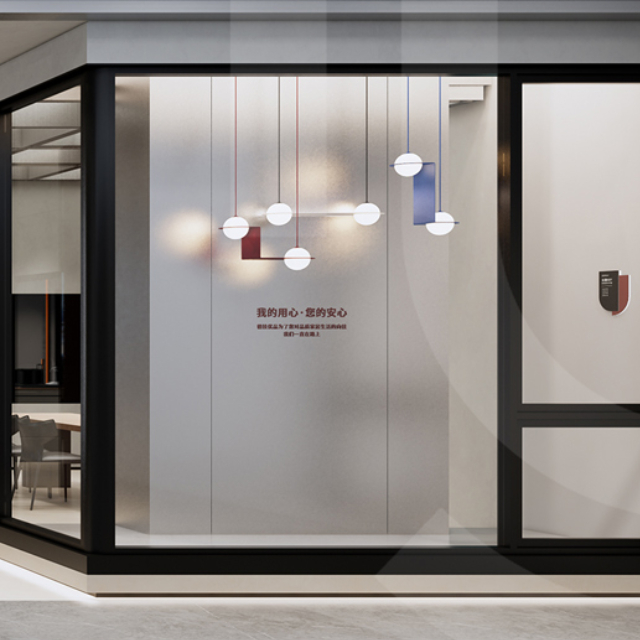
Integrating dark frames into a building's exterior requires careful consideration of the surrounding materials. Mixed-material facade harmonization is a hallmark of contemporary design. You have to look at how the frame interacts with the cladding. Black aluminum frames pair exceptionally well with warm timber cladding, providing a sharp, modern contrast to the organic texture of the wood. Against natural stone or raw architectural concrete, they reinforce an industrial or brutalist aesthetic. When set into crisp white render or stucco, the frames create a striking, deliberate contrast that highlights the architectural geometry.
You must also navigate the color dilemma: choosing between monochromatic and dual-color (split-finish) frames. All-black frames, where the interior and exterior match, deliver a dramatic, industrial effect. They act as a picture frame for the outside world. However, this bold interior look may not suit every room. Sometimes a dark interior frame absorbs too much ambient light in a smaller space.
Split-color options offer a highly practical alternative. You can specify a high-contrast black exterior to satisfy the facade design while utilizing a classic white or neutral aluminum interior. This dual-color approach provides interior design flexibility. It allows rooms to feel lighter and more traditional while maintaining the modern exterior.
Maximizing views is another critical aesthetic goal. Utilizing fixed-pane and panoramic configurations with narrow dark frames creates seamless indoor-outdoor transitions. The dark color recedes from the eye, minimizing visual interruptions and making the glass appear larger than it actually is.
The specific finish applied to the aluminum frame drastically alters its appearance and performance. Matte black windows are currently the most sought-after specification on our job sites. Matte finishes are preferred over gloss because they significantly reduce light reflection and glare. They absorb light to create a flat, sophisticated appearance. Practically, matte surfaces are highly resistant to fingerprints, visible dust, and minor surface scratches. This makes them much easier to live with daily, especially around door handles and operable sashes.
While standard black is popular, exploring custom color aluminum windows allows for precise architectural matching. Alternative dark tones like architectural charcoal, deep bronze, and textured metallic blacks offer subtle variations. These custom tones can better complement specific masonry or roofing materials. A deep bronze, for example, works exceptionally well with natural stone facades where a stark black might look too harsh.
Understanding the application method is crucial for longevity. Powder coating involves applying a dry powder to the aluminum and baking it to form a tough, durable skin. It offers excellent color-fastness and a wide range of hues. Anodizing is an electrochemical process that thickens the natural oxide layer, integrating the color into the metal itself. Anodized finishes are incredibly hard and resistant to scratching but offer fewer color choices. You usually see anodized finishes in commercial applications, but they are making their way into high-end residential builds.
For coastal properties, marine-grade finishes are an absolute necessity. Standard finishes will quickly degrade under constant salt-spray exposure. Marine-grade powder coatings involve rigorous pre-treatment processes and thicker application layers. This prevents salt-spray corrosion and finish degradation over time. If you build within a mile of the ocean, do not skip the marine-grade specification.
The primary technical challenge with dark window frames is thermal absorption. Black frames absorb significantly more solar radiation than white or silver frames. This heat absorption impacts frame expansion, increases interior cooling loads, and can negatively affect indoor comfort if not properly managed. If you touch a non-thermally broken black aluminum frame on a 90-degree day, it will burn your hand.
The definitive solution to this "heat trap" is the use of high-performance thermal breaks. A thermal break is a continuous barrier between the inside and outside aluminum profiles. Typically made from rigid polyamide insulating strips, this barrier stops thermal bridging. It prevents the exterior heat absorbed by the dark metal from transferring to the interior frame. Thermally broken frames perform exponentially better than non-thermally broken alternatives. They ensure the interior surface remains comfortable to the touch and your HVAC system doesn't work overtime.
Pairing the frame with the correct glass specification is equally important. Selecting the right Low-E (low-emissivity) glass coatings helps control the Solar Heat Gain Coefficient (SHGC) and U-Factor. In hot climates, you need a low SHGC to block solar heat. In cold climates, a lower U-Factor prevents interior heat from escaping. Deciding between double glazing and triple glazing depends on your specific climate adaptation needs and local energy codes.
| Climate Zone | Primary Goal | Recommended SHGC | Recommended U-Factor | Glazing Type |
|---|---|---|---|---|
| Hot / Arid | Block solar heat gain | Low (0.25 or lower) | Moderate (0.30 - 0.40) | Double Glazed with heavy Low-E |
| Mixed / Moderate | Balance heating and cooling | Moderate (0.25 - 0.40) | Low (0.25 - 0.30) | Double Glazed with standard Low-E |
| Cold / Northern | Retain interior heat | High (0.40 or higher) | Very Low (0.20 or lower) | Triple Glazed with Argon/Krypton |
The operation type of the window dictates both its functionality and its visual impact on the facade. You have to match the hardware and the opening style to the room's purpose.
When specifying materials for a new build or major renovation, quality assurance is paramount. You must thoroughly evaluate manufacturer warranties, specifically targeting how they cover UV exposure, chalking, fading, and peeling of dark coatings. A standard warranty might not provide adequate protection for dark colors in high-sun exposure areas. Read the fine print regarding coastal installations if applicable.
Always verify testing and standards. Look for AAMA (American Architectural Manufacturers Association) performance ratings or their regional equivalents. These ratings confirm the product has undergone rigorous wind-load testing and water infiltration assessments. These tests are critical for high-exposure modern facades. You do not want a window that bows inward during a severe storm.
Conduct a thorough cost versus value analysis. There is an initial premium for advanced thermal breaks, high-grade marine finishes, and heavy-duty hardware. However, this upfront investment translates into a long-term return on investment. You gain significantly lower energy bills, reduced maintenance, and enhanced property resale value. Cheap aluminum frames will fail, leak, and fade, costing you more in replacement labor down the line.
Maintaining the crisp appearance of dark frames requires specific protocols. Simple cleaning practices are best. Use a soft cloth or sponge with a mild, non-abrasive detergent and water. Never use harsh chemicals, abrasive pads, or solvent-based cleaners. These will permanently scratch or dull the powder-coated or anodized finish. Once you scratch a matte black frame, it is incredibly difficult to touch up seamlessly.
Preventing mineral deposit buildup, often seen as hard water stains, is critical on dark frames where white spots stand out prominently. Ensure irrigation systems do not spray directly onto the windows. Dry the frames promptly if they are washed with hard tap water. We recommend using a squeegee and a microfiber towel for the frames.
Perform routine hardware and weather-seal inspections. Check hinges, tracks, and locking mechanisms for debris. Lubricate them annually with a silicone-based spray. Inspect the rubber weatherstripping for signs of drying or cracking to preserve the unit's thermal performance and airtightness. Replace any brittle weatherstripping immediately to prevent drafts.
To ensure your modern facade remains striking and efficient, take the following next steps:
A: High-quality powder-coated or anodized aluminum finishes resist fading exceptionally well. Prolonged exposure to intense UV rays can cause slight chalking over decades. Choosing a marine-grade or high-performance architectural finish significantly mitigates this risk and keeps the color sharp.
A: Dark frames absorb more solar heat than white frames. When equipped with high-quality polyamide thermal breaks and paired with Low-E insulated glass, dark aluminum windows meet or exceed stringent modern energy efficiency codes. The thermal break stops the heat transfer entirely.
A: Yes. Many manufacturers offer dual-color or split-finish extrusions. This allows you to maintain a dark, modern exterior facade while using white or neutral interior frames to match your interior design preferences and keep rooms bright.
A: Use a mixture of mild dish soap and warm water applied with a soft microfiber cloth. Avoid abrasive sponges, stiff brushes, and chemical solvents. These harsh materials degrade the matte finish and leave permanent scratch marks on the dark surface.
A: Yes. Aluminum has superior structural integrity and handles thermal expansion much better than vinyl. Dark vinyl absorbs heat and is prone to warping, twisting, and seal failure. Aluminum remains rigid and stable under high temperatures, ensuring long-term performance.
A: Absolutely. Coastal environments expose windows to corrosive salt spray. You must specify a marine-grade powder coating or a high-micron anodized finish. This prevents the aluminum from pitting and stops the dark color from degrading prematurely.


