
Views: 0 Author: Site Editor Publish Time: 2026-07-19 Origin: Site


Replacing a garage door is a high-stakes exterior investment that directly impacts a home's curb appeal, energy efficiency, and security. Homeowners must balance architectural aesthetics with climate realities and lifestyle demands. Selecting the wrong material can lead to premature corrosion, structural failure, security vulnerabilities, or excessive maintenance costs. An aluminum garage door serves as a premier solution for specific use cases—particularly coastal environments, urban properties, and contemporary architecture. This guide provides a framework to evaluate if this material aligns with your climate, security needs, and lifestyle requirements, ensuring your next exterior upgrade performs exactly as engineered.
Understanding the fundamental properties of aluminum helps clarify why it dominates specific residential applications. The science of aluminum oxidation differs drastically from ferrous metals. When exposed to oxygen, aluminum forms a microscopic, hard layer of aluminum oxide on its surface. This layer seals the underlying metal, preventing further degradation. This natural corrosion resistance means aluminum outperforms steel in salt-air environments and humid climates without requiring constant repainting or rust-mitigation treatments. You avoid the red rust that inevitably plagues steel doors in coastal regions, saving significant time and labor over the lifespan of the property.
The mechanical advantages of a lighter door cannot be overstated. A standard aluminum frame weighs significantly less than solid wood or heavy-gauge steel. This weight reduction directly extends the lifespan of torsion springs, lifting cables, and the automatic opener motor. The weight advantage reduces long-term repair costs and minimizes mechanical wear on the entire track system. Rollers glide with less friction, and the motor draws less amperage during operation, which translates to fewer service calls and a quieter daily operation.
From a design perspective, aluminum frames easily support wide spans of glass and clean, geometric lines essential for contemporary, industrial, and mid-century modern home designs. The extrusion process allows manufacturers to create precise, sharp profiles that wood and stamped steel simply cannot replicate. These doors serve low-maintenance lifestyles and active households that prioritize hands-off home exterior care. You get a high-end architectural look without the weekend maintenance chores associated with traditional materials.
Selecting a garage door material requires a clear-eyed assessment of your specific site conditions and daily usage. Each material brings distinct structural behaviors to the driveway.
Steel offers higher impact resistance, making it better for homes with active children, frequent driveway sports, or heavy equipment movement. A stray basketball or a minor bumper tap is less likely to leave a permanent crease in heavy-gauge steel. However, aluminum provides absolute immunity to red rust. If you live within fifty miles of a coastline or in an area with heavy winter road salt usage, steel will eventually oxidize, regardless of the factory coating. The heavier weight of steel also accelerates wear on rollers, tracks, and springs compared to aluminum. You will replace steel door springs more frequently than those lifting an aluminum frame.
Aluminum offers a zero-paint, rot-free reality. Natural wood requires annual sealing, staining, and moisture-prevention maintenance to prevent warping, cracking, and dry rot. Solid wood doors demand heavy-duty hardware upgrades, reinforced tracks, and high-horsepower openers due to their extreme weight. A custom wood door might weigh over four hundred pounds, whereas standard aluminum setups operate smoothly with standard equipment. The structural sag that eventually affects wide wood doors is entirely absent in properly extruded aluminum frames.
Solid steel and heavy wood panels provide strong barrier strength, often perceived as the ultimate security standard. However, an aluminum-and-glass profile can match this security when properly specified. Using laminated glass and heavy-duty frames dispels myths about glass door vulnerability. Laminated glass features a tough plastic interlayer that holds the glass together even if shattered, creating a physical barrier that frustrates forced entry attempts. When combined with a rigid aluminum extrusion and a modern locking mechanism, the security profile is exceptionally robust.
| Material | Corrosion Resistance | Impact Resistance | Maintenance Level | Weight Strain on Hardware |
|---|---|---|---|---|
| Aluminum | Excellent (No red rust) | Moderate (Depends on gauge) | Low | Low |
| Steel | Poor to Moderate | High | Moderate | High |
| Wood | Moderate (Rot risk) | High | High | Very High |
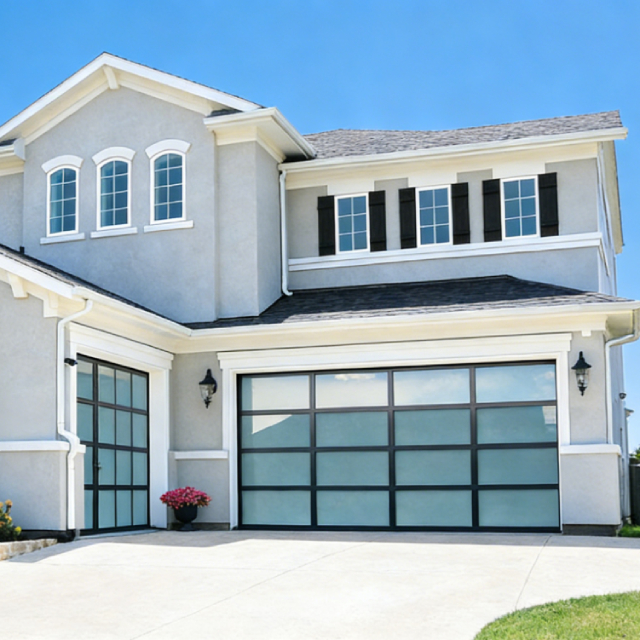
Bare aluminum transfers heat and cold directly into the garage, acting as a thermal bridge that affects home energy bills. If your garage is attached to your home, this conductivity is a major liability. Specifying an insulated garage door requires polyurethane insulation injected directly into the frame cavity. This high-density foam expands to fill every void, providing structural rigidity and superior thermal resistance compared to drop-in polystyrene panels. Dual-contact weather seals and thermal breaks—non-conductive materials separating the interior and exterior metal surfaces—are essential to prevent thermal bridging.
Acceptable R-values range from R-6 to R-16 based on whether the garage is attached, detached, or used as a climate-controlled living space. An R-value of 12 or higher is recommended for workshops or gyms. Beyond temperature control, an insulated aluminum frame combined with double-pane glass acts as a highly effective acoustic barrier against urban traffic, landscaping equipment, and neighborhood noise. The combination of dense polyurethane and dual-pane glass disrupts sound waves, significantly quieting the interior space.
The structural integrity of your door depends entirely on the aluminum gauge and grade measurements. Industry standards often utilize 6063-T6 structural aluminum alloy, known for its excellent extrusion properties and high tensile strength. You must ensure the frame thickness is sufficient to prevent sagging, bowing, and warping over a 15-to-20-year lifespan. Thicker frames provide the necessary rigidity for wide openings, especially double-car garages spanning sixteen feet or more. A minimum frame thickness of 2 inches is generally required for heavy glass integration to prevent the sections from flexing during the transition through the track radius.
A modern aluminum garage door relies on specific glass-to-aluminum ratios to achieve its signature look. The type of glass specified dictates both safety and performance. Tempered glass is the baseline safety standard; it shatters into safe, dull granules upon impact rather than dangerous, jagged shards. Laminated glass takes safety a step further by holding together when struck, acting as a massive deterrent to intruders. For climate-controlled spaces, double-pane, argon-filled glass maximizes thermal efficiency by trapping a layer of inert gas between the panes, drastically reducing heat transfer.
Matching the door to your home's architecture is critical for curb appeal. The flexibility of aluminum allows for precise stylistic alignment.
The finish applied to the aluminum dictates its long-term appearance and durability. Anodizing is an electrochemical process that thickens the natural oxide layer, making the finish part of the metal itself. It offers extreme durability and resistance to salt spray, though color options are typically limited to clear, bronze, and black. Because it is not a surface coating, it cannot peel or flake. Powder coating involves a dry powder, baked-on finish process that offers unlimited RAL color matching. It provides excellent UV fade resistance and scratch protection, allowing homeowners to match exact exterior trim colors perfectly.
For those who want the warmth of wood without the maintenance, sublimation processes bake high-definition wood grain patterns directly into the aluminum powder coat. This process offers the aesthetic warmth of oak, walnut, or cherry without the rotting risk associated with natural wood. The result is a highly realistic texture that fools the eye from the street while providing the lightweight, rust-free performance of aluminum.
Privacy and light transmission trade-offs dictate glass selection. You do not have to sacrifice privacy for natural light. Frosted, tinted, obscure, mirrored, or fully opaque glass options allow you to control visibility while maintaining architectural appeal. Mirrored glass offers daytime privacy while reflecting the surrounding landscape, whereas frosted glass provides a soft, diffused light ideal for interior workshops.
Wind blow-out is a critical risk in hurricane-prone or high-wind areas. A standard door can buckle under negative wind pressure, leading to catastrophic roof failure. You must verify that the door meets local wind load reinforcement codes (WINDCODE® ratings) without compromising the modern, clean aesthetic. Reinforced struts, heavy-duty tracks, and specialized locking pins are often required. Manufacturers can integrate these reinforcements internally or design them to blend seamlessly with the horizontal frame members.
Mitigate denting risks in high-traffic driveways by choosing thicker bottom-section aluminum rails. The bottom section takes the most abuse from debris, snow shovels, and foot traffic. Utilize impact-resistant kickplates or opt for textured finishes that hide minor imperfections effectively. Specifying a heavier gauge for the bottom panel while keeping the upper panels lighter is a common engineering workaround.
A simple care routine extends the door’s lifespan and keeps the hardware operating silently.
DIY installation with lightweight aluminum frames risks racking, track misalignment, and spring tension errors. Aluminum frames can twist if the tracks are not perfectly plumb and level. Improper installation or failure to use approved heavy-duty weatherstripping can void manufacturer warranties. Torsion springs hold lethal amounts of kinetic energy; adjusting them without proper training and winding bars is highly dangerous. Always use certified professionals to ensure the track geometry is correct and the motor limits are set safely.
Filter your choices first by local building codes to ensure wind load compliance, second by lifestyle and climate needs to determine insulation and glass requirements, and third by architectural style for frame finish and opacity.
A: Costs vary widely based on size, finish, and glass type. Basic non-insulated models represent the entry level, while high-end, custom glass-paneled modern doors with thermal breaks and specialized powder coatings represent the upper tier of exterior investments.
A: Aluminum is more prone to denting than heavy-gauge steel. Choosing a thicker gauge aluminum alloy and utilizing impact-resistant lower panels or solid kickplates mitigates this risk significantly in high-traffic driveways.
A: Yes. Manufacturers use high-density polyurethane-filled frames, non-conductive thermal breaks, and double-pane argon-filled insulated glass to achieve high energy efficiency and prevent thermal bridging.
A: They typically last 15 to 30 years. The aluminum panels resist rust indefinitely, meaning the mechanical hardware, springs, and weatherstripping usually require replacement long before the door frame itself degrades.
A: Yes. Their natural inability to rust makes them superior in coastal environments, provided they are properly reinforced with heavy-duty struts to meet local wind-load and hurricane building codes.
A: Yes, when specified correctly. Using laminated security glass, heavy-duty structural aluminum frames, and tamper-resistant lock systems ensures high security against forced entry and blunt impacts.
A: Anodizing chemically bonds the finish to the metal for extreme durability but offers limited colors. Powder coating bakes dry paint onto the surface, providing unlimited color options and strong UV resistance.


