
Views: 0 Author: Site Editor Publish Time: 2026-07-24 Origin: Site


The evolution of the exterior door has fundamentally shifted how builders and homeowners approach entryways. Traditional wood slabs, while historically popular, are rapidly being replaced by high-performance metal systems. We see this transition daily on job sites. Modern construction demands materials that can withstand severe weather without requiring constant upkeep. Choosing the right entryway requires balancing structural integrity, energy efficiency, and architectural design. You have to evaluate how the frame handles local climate conditions, secures the building envelope, and integrates with the overall aesthetic. A properly specified door bridges the gap between indoor comfort and outdoor exposure, providing long-term reliability. This guide breaks down the exact specifications, material comparisons, and field-tested installation protocols you need to select premium exterior aluminum doors for your next project.
The debate over entryway materials often divides traditionalists and modern builders. Some contractors still push solid wood for its classic weight and familiar workability. However, field experience shows that wood expands, contracts, and eventually degrades when exposed to the elements. Metal frames provide predictable performance and superior structural stability. They remain dimensionally accurate regardless of humidity spikes or extreme temperature fluctuations, which prevents the binding and sticking common with timber doors.
Understanding material performance over decades of exposure is the only way to make an informed specification. We evaluate entryways based on maintenance requirements, environmental durability, and raw structural strength.
Evaluating the true value of an entryway means looking past the initial purchase order. While custom metal systems require a solid upfront investment, their operational lifespan changes the calculation. You completely eliminate the recurring labor and material costs associated with exterior paints, varnishes, and specialized wood treatments. Furthermore, the dimensional stability of metal prevents weatherstripping from failing, which stops drafts and keeps energy bills consistently low. The zero-maintenance reality makes these frames highly economical over a twenty-year horizon.
| Material | Maintenance Level | Structural Rigidity | Weather Resistance | Lifespan |
|---|---|---|---|---|
| Aluminum | Very Low | Exceptional | High | 40+ Years |
| Solid Wood | High | Moderate | Low to Moderate | 15-25 Years (with upkeep) |
| Steel | Moderate (Rust risk) | High | Moderate | 20-30 Years |
Standard metal conducts heat and cold rapidly, which historically caused condensation and draft issues in extreme climates. The engineering of the thermal break solved this problem completely. Modern thermal break exterior doors utilize a reinforced polyamide strip that physically separates the interior and exterior metal extrusions. This structural barrier stops thermal energy transfer, keeping the interior surface at room temperature regardless of outside conditions.
Manufacturers boost this performance by integrating advanced insulation cores. High-density polyurethane foam is often injected directly into the hollow frame chambers to block convective heat transfer. When evaluating these systems on the spec sheet, you must check the U-factors and Solar Heat Gain Coefficient (SHGC). Lower U-factors indicate superior insulation. The SHGC measures how much solar radiation passes through the glazing. Matching these ratings to your specific climate zone ensures compliance with local energy codes.
Specifying weather resistant aluminum doors is mandatory for builds facing heavy rain, high wind loads, or coastal salt spray. The exterior surface finish provides the primary layer of defense. You will generally choose between powder coating and anodizing based on the environmental exposure.
Powder coating involves electrostatically applying a dry powder and baking it onto the metal surface. It provides excellent UV resistance and is available in custom color matches. Anodizing is an electrochemical process that thickens the natural oxide layer on the metal itself. It delivers unmatched scratch protection and a distinct metallic look that will never peel or flake. Always verify the water penetration resistance ratings. High-performance frames feature advanced air infiltration barriers, continuous weatherstripping, and multi-chambered drainage systems that actively channel water away from the interior sill.
The entryway serves as the primary physical defense against forced entry. Premium metal frames utilize heavy-duty, mechanically fastened corner joints that resist twisting, racking, and prying. They also integrate multi-point locking systems as a standard feature. Unlike basic deadbolts that secure only the center of the slab, multi-point locks throw heavy steel hooks or bolts into the top, middle, and bottom of the jamb simultaneously with a single turn of the handle.
Glazing safety requires equal attention. Large glass panels must withstand significant blunt force impact. Always specify double or triple-pane tempered security glass. For maximum protection, upgrade to laminated glass. Laminated units feature a tough plastic interlayer that holds the glass shards together even if shattered, preventing intruders from breaking a pane and reaching the interior thumb-turn.
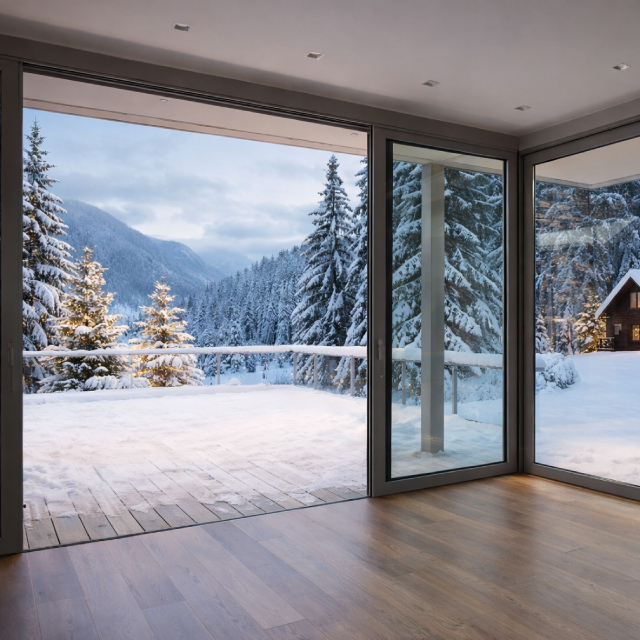
The design flexibility of modern exterior doors allows them to fit almost any architectural style. You can even achieve a traditional timber aesthetic without the associated maintenance failures. Sublimation processes and faux-wood powder coatings replicate the grain, texture, and warmth of real wood. These advanced finishes provide the visual appeal of timber while maintaining the impenetrable defense of a metal frame.
Contemporary architecture heavily favors sleek profiles and minimalist frames. Flush-panel designs create a seamless, flat transition from the exterior wall to the entryway. The inherent structural strength of the extruded metal allows for incredibly narrow sightlines. This maximizes the visible glass area, flooding interior foyers with natural light while maintaining strict security standards.
The physical configuration dictates how the space functions, how traffic flows, and what structural framing is required in the rough opening.
Precise measurement in the field is absolutely non-negotiable. Unlike wood doors, metal frames cannot be shaved, planed, or trimmed on-site to fit an irregular or out-of-plumb opening. If the measurements are off by even a quarter of an inch, the unit will not fit, causing massive project delays.
Follow this strict step-by-step measuring protocol to ensure absolute accuracy before ordering:
We strongly advise against amateur installation for premium metal entryways. Achieving perfect structural alignment and watertight sealing requires specialized field expertise. A frame that is installed even slightly out of plumb or out of level will cause the multi-point locks to bind and the weatherstripping to fail. Professional installers know how to prepare the subfloor, apply the correct sill pan flashing, and use laser levels to set the jambs perfectly. They also have the suction cups, equipment, and manpower to safely manage heavy, large-format glazing units without damaging the frames or shattering the glass.
Several technical factors drive the final cost of your entryway package. The physical size of the unit is the most obvious variable. Upgrading to advanced thermal break technology, custom anodized finishes, laminated security glass, and designer hardware will also increase the initial investment. When evaluating manufacturer quotes, pay close attention to the warranty documentation. Look for comprehensive, long-term coverage on the factory finishes, insulated glass seal failure, and the mechanical hardware components. A robust warranty protects your investment and guarantees performance over the long term.
Keeping your entryway functioning perfectly requires a very basic, consistent maintenance routine.
Choosing the right entryway completely transforms the facade of your building while massively upgrading its energy efficiency and physical security. By focusing on structural strength, thermal performance ratings, and precise field measurements, you ensure a flawless integration into your architecture. Take the following steps to move your project forward immediately:
A: Premium architectural-grade metal frames are highly resistant to denting. Unlike cheap, thin steel doors that dent from minor impacts, extruded metal frames and thick panels offer exceptional structural rigidity and heavy impact resistance.
A: While technically possible, it is highly discouraged. Factory-applied powder coatings and anodized finishes are baked on for extreme durability. Painting over them requires specialized etching primers and will never match the longevity of the original factory finish.
A: Yes, if you live in a climate with freezing winters or blistering summers. Without a thermal break, the metal frame acts as a direct thermal bridge, transferring outside temperatures straight into your home, causing severe drafts and interior condensation.
A: High-quality multi-point locking systems are engineered for decades of heavy daily use. With proper semi-annual silicone lubrication and a perfectly plumb frame installation, the internal stainless steel mechanisms will easily outlast standard residential deadbolts.
A: Not if it is engineered and installed correctly. High-end pivot systems utilize advanced drop-down bottom seals and specialized sweeping weatherstripping to create an airtight perimeter, matching the energy performance of standard hinged units.


