
Views: 0 Author: Site Editor Publish Time: 2026-07-08 Origin: Site


Contemporary new construction heavily favors expansive glass and narrow sightlines. This architectural shift creates seamless indoor-outdoor transitions that define modern living spaces. However, a distinct tension exists between these aesthetic goals and technical realities on the job site. Builders must constantly balance minimalist frames and large spans against strict energy codes, structural wind loads, and tight project schedules. Navigating these competing demands requires a clear understanding of material capabilities and structural engineering.
This article provides a technical evaluation framework for your next project. Architects, builders, and homeowners will learn how to specify high-performance aluminum windows and doors that satisfy both design intent and stringent performance standards. We will explore thermal breaks, structural integrity, and proper installation techniques to ensure long-lasting results without compromising the architectural vision.
A successful window and door package must achieve several specific objectives in new construction. Weather tightness stands as the primary defense against water intrusion and air leakage, requiring rigorous AAMA testing protocols. Structural integrity ensures the frames can withstand local wind loads without failing or deflecting beyond acceptable limits. Aesthetic alignment guarantees the fenestration matches the architectural vision, often demanding ultra-narrow sightlines. Finally, strict code compliance dictates that all units meet regional energy and safety standards. Balancing these four elements defines a high-quality installation that will perform for decades.
Architects often demand maximum daylighting through extremely narrow frame profiles. Conversely, structural physics require robust support for heavy, double-glazed or triple-glazed insulated glass units (IGUs). Aluminum bridges this gap perfectly. Its inherent strength allows manufacturers to extrude remarkably thin frames that still carry immense glass weights, sometimes exceeding 1,000 pounds per panel. This capability prevents the sagging, binding, and operational failures often seen when pushing vinyl or wood past their structural limits. When you specify aluminum, you get the structural rigidity necessary to support massive spans of glass while maintaining a minimalist profile.
Legacy aluminum frames earned a poor reputation for energy efficiency. Older, non-thermally broken frames acted as thermal conductors, transferring cold air inside and causing heavy condensation on the interior profiles. Modern architectural-grade aluminum completely changes this dynamic. Today, manufacturers engineer frames with structural polyamide struts. These thermal breaks separate the interior and exterior metal extrusions, completely halting thermal bridging and delivering exceptional insulation values. By utilizing wider polyamide strips, sometimes up to 32mm or more, modern systems achieve U-factors that rival or beat premium wood windows.
Environmental impact plays a major role in material selection for a modern building envelope. Aluminum offers significant sustainability benefits due to its high recycled content. It boasts infinite recyclability without losing its structural properties. Specifying recycled aluminum drastically reduces the carbon footprint of a build. Furthermore, high-performance aluminum fenestration contributes directly to green building certifications, including LEED v4 and Passive House standards. The material's longevity means fewer replacement cycles, further reducing its lifecycle environmental impact.
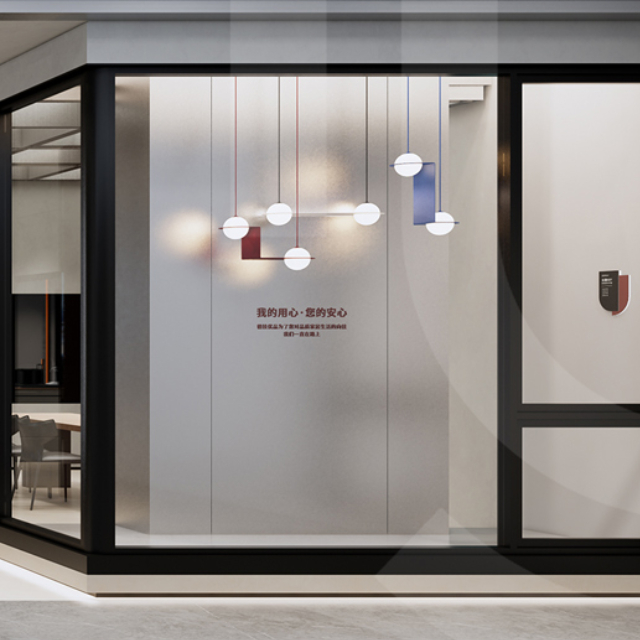
Understanding thermal metrics is essential for passing energy code inspections. U-Factor measures the rate of heat transfer through the entire window assembly. A lower U-Factor indicates superior insulation. The Solar Heat Gain Coefficient (SHGC) measures how much solar radiation passes through the glass. Low-E (low-emissivity) coatings reflect infrared heat while allowing visible light to enter. When combined with argon gas fills between the glass panes and warm-edge spacers, thermally broken aluminum frames easily meet or exceed stringent local energy requirements. You must match the specific Low-E coating to your climate zone to optimize heating and cooling loads.
Large-scale installations require rigorous structural evaluation. Design Pressure (DP) ratings indicate the amount of wind and water pressure a unit can withstand before leaking or failing. Performance Grade (PG) classifications further categorize windows based on structural performance, water penetration, and air infiltration. You must carefully evaluate frame deflection limits, typically aiming for L/175 or better. Excessive deflection under heavy wind loads can cause glass seals to rupture or operable sashes to bind. Always consult with a structural engineer to determine the exact DP requirements for your specific site exposure.
Hardware selection dictates both daily operation and long-term security. High-end systems utilize multi-point locking mechanisms that secure the sash at several points along the frame, utilizing heavy-duty shoot bolts and mushroom cams. Heavy-duty hinges prevent heavy doors from sagging over time. You must weigh aesthetic preservation against post-installation security. Retrofitting aftermarket security grilles ruins the minimalist aesthetic and adds unexpected labor. Instead, specify integrated security features during the custom manufacturing phase. Laminated impact-resistant glass, concealed multi-point locks, and integrated sensor pre-wiring provide superior protection without compromising the design.
Choosing between solid aluminum and hybrid systems depends on interior design goals and maintenance tolerance. Solid, 100% extruded aluminum systems offer unmatched durability, minimal maintenance, and a sleek, industrial aesthetic inside and out. Hybrid wood-clad aluminum systems feature a protective exterior aluminum extrusion combined with a natural wood interior. While wood-clad options provide traditional interior warmth, they require periodic interior maintenance to prevent moisture damage and finish degradation. Furthermore, hybrid systems can sometimes trap moisture between the cladding and the wood if not properly engineered with a capillary break.
Selecting the right mix of custom aluminum windows impacts both budget and performance. Fixed picture windows offer the highest energy efficiency and lowest cost because they have no moving parts and feature continuous weather seals. Casement windows hinge at the side and crank outward, providing excellent ventilation and tight compression seals against wind. Awning windows hinge at the top, allowing ventilation even during light rain. You must strategically place operable units to create cross-ventilation without compromising the overall air-tightness of the building envelope. Consider the swing path of operable windows to ensure they do not interfere with exterior walkways or landscaping.
Expansive openings require specialized door mechanisms engineered to handle massive weights. Multi-slide doors feature multiple panels that slide and stack against each other or disappear entirely into wall pockets. Bi-folding doors accordion outward, creating completely unobstructed openings that merge indoor and outdoor spaces. Pivot doors rotate on an offset vertical axis, allowing for massive, single-panel statements that operate with minimal effort. Threshold selection is equally critical. Flush sills provide seamless transitions but offer lower water resistance, requiring extensive exterior drainage systems. Weather-resistant stepped sills provide superior protection against water infiltration but create a slight physical barrier.
The exterior finish dictates the lifespan of the frame and its resistance to the elements. Class I clear anodized finishes undergo an electrochemical process that thickens the natural oxide layer, providing excellent scratch resistance and a metallic appearance. AAMA 2605 fluoropolymer (PVDF) powder coatings offer superior resistance to UV fading, chalking, and chemical degradation. For coastal zones with heavy salt spray, AAMA 2605 finishes or marine-grade anodizing are absolutely necessary to prevent rapid corrosion and pitting.
| Finish Type | Durability | UV Resistance | Best Application |
|---|---|---|---|
| Class I Anodized | High scratch resistance | Moderate | Urban and commercial settings |
| AAMA 2604 Powder Coat | Good overall protection | High | Standard residential builds |
| AAMA 2605 PVDF | Exceptional chemical resistance | Maximum | Coastal and extreme sun exposure |
Aluminum commands an initial premium compared to standard vinyl or basic clad-wood options. However, you must balance this upfront investment against lifecycle longevity. Aluminum frames will not rot, warp, or degrade under harsh sunlight. This dimensional stability prevents costly glass seal failures over time, which are common in materials that expand and contract significantly with temperature changes. The lower maintenance requirements and extended lifespan provide a strong return on investment, making the initial premium highly justifiable for quality-focused builds. When evaluating the budget, factor in the cost of replacing inferior windows after 15 years versus the 40-year lifespan of architectural aluminum.
Custom manufacturing requires careful schedule management and proactive ordering. High-performance aluminum systems often carry extended lead times, sometimes ranging from 12 to 16 weeks or more. These lead times directly impact the critical path of a new construction project. Delayed fenestration delivery prevents the building from reaching the dry-in phase, halting interior work and risking moisture damage to framing. You must sequence ordering early in the framing stage to ensure units arrive exactly when the rough openings are ready. Coordinate closely with the manufacturer to receive accurate shop drawings early, allowing the framing crew to build precise rough openings.
Large-scale projects require reliable manufacturing partners with proven track records. You must vet suppliers based on their production capacity and lead-time reliability. Request detailed shop drawings before approving any order to ensure exact dimensional accuracy and proper mullion detailing. Verify that the manufacturer complies with recognized certification bodies, such as AAMA, WDMA, or CSA standards. These certifications guarantee that the extrusions and assemblies have undergone rigorous independent testing for structural performance and weather resistance.
A comprehensive warranty protects your investment and provides peace of mind. Review the documentation to ensure it covers frame structural integrity, finish degradation, glass seal failure, and hardware durability. Pay close attention to exclusions regarding coastal environments, as some warranties void if the project is within a certain distance from saltwater. Furthermore, evaluate the local dealer network. Strong local support ensures rapid response times for post-installation adjustments, missing hardware replacement, and necessary site service. A warranty is only as good as the local team available to service it.
Rigid aluminum frames demand unforgiving installation tolerances. Rough openings must be perfectly plumb, level, and square, often requiring laser levels and precise shimming. You must utilize compatible flashing systems, such as liquid-applied membranes or high-adhesion butyl tapes, and rigid sill pans to manage water drainage effectively. Proper sealant application is vital to prevent water intrusion at the corners and mullion joints. Additionally, installers must use proper isolation techniques, such as bituminous coatings or dielectric separators, to prevent galvanic corrosion when aluminum frames come into contact with dissimilar metals or pressure-treated lumber.
Aluminum remains the optimal material for modern, large-scale fenestration when specified correctly. By demanding advanced thermal breaks and high-performance finishes, you can achieve minimalist aesthetics without sacrificing energy efficiency or structural integrity. Proper specification ensures the building envelope performs flawlessly for decades, resisting harsh weather and heavy use.
To finalize your selection, follow this shortlisting logic. First, determine your local energy and structural codes. Second, select the required thermal and structural grade for your specific climate. Third, choose the configurations and finishes that match your architectural vision. Finally, rigorously vet the supplier's warranty and production lead times.
Take these clear next steps to move your project forward:
A: Yes, modern aluminum windows are highly energy efficient. They utilize structural polyamide thermal breaks that separate the interior and exterior frames, stopping heat transfer. When combined with low-E glass and argon gas fills, they easily meet stringent modern energy codes and provide excellent air-tightness.
A: Aluminum windows carry a higher initial premium than vinyl and standard wood. However, they offer superior long-term ROI. Their extreme durability, resistance to rotting and warping, and minimal maintenance requirements make them more cost-effective over a 30-to-40-year lifecycle.
A: A thermally broken window features a reinforced polyamide strut inserted between the inner and outer aluminum extrusions. This strut acts as an insulator, breaking the conductive path of the metal. It prevents cold air from transferring inside and eliminates interior frame condensation.
A: High-quality aluminum windows and doors typically last 30 to 40 years or more. Their lifespan heavily depends on the quality of the surface finish. Specifying AAMA-rated powder coatings or Class I anodized finishes ensures the frames resist fading, chalking, and corrosion for decades.
A: Yes, but they require specific surface treatments. Salt-water environments cause rapid corrosion on standard finishes. You must specify marine-grade anodized finishes or AAMA 2605 PVDF powder coatings to protect the aluminum from harsh salt spray and intense UV exposure.
A: Commercial windows generally feature thicker extrusions, higher Design Pressure (DP) ratings, and heavier hardware to withstand extreme use and wind loads. High-end residential projects frequently utilize these architectural-grade commercial extrusions to achieve massive glass spans and ultra-narrow sightlines.


