
Views: 0 Author: Site Editor Publish Time: 2026-08-14 Origin: Site


When homeowners and architects embark on a new construction or renovation project, one of the most critical decisions they face involves selecting the right fenestration solutions. The debate between investing in high quality aluminum windows versus settling for standard, builder-grade alternatives is a common one, often driven by initial budget constraints versus long-term value considerations. However, when evaluating the total lifecycle cost, energy efficiency, structural durability, and aesthetic longevity, the premium options consistently demonstrate superior return on investment. Standard windows may offer a lower upfront price tag, but they frequently fall short in terms of weather resistance, thermal performance, and overall lifespan. In contrast, premium fenestration products are engineered to withstand harsh environmental conditions while maintaining their operational integrity and visual appeal for decades. This comprehensive analysis will explore the fundamental differences between these two tiers of products, highlighting why discerning property owners increasingly prioritize advanced engineering and superior materials for their residential and commercial spaces.
The fenestration industry has undergone significant technological advancements over the past few decades. Historically, standard aluminum frames were criticized for their poor insulation properties, as metal is a natural conductor of heat and cold. This led to a period where vinyl and wood dominated the residential market. However, the introduction of advanced thermal barrier technologies revolutionized the use of metal in window manufacturing. Today, the landscape is vastly different. Modern engineering has transformed aluminum into one of the most desirable materials for high-performance building envelopes. The distinction between a basic, off-the-shelf window and a meticulously crafted, custom-engineered system is profound, impacting everything from the interior acoustic environment to the monthly energy expenditures of the household.
The foundation of any superior fenestration product lies in its material composition and structural design. Standard windows often utilize thinner extrusions, lower-grade alloys, or alternative materials that can warp, degrade, or discolor over time when exposed to ultraviolet radiation and fluctuating temperatures. In stark contrast, premium systems are built upon a foundation of uncompromising strength. For instance, top-tier products like DAW Casement Windows are constructed using 6063-T5 Thermal Break Aluminum Alloy. This specific alloy is renowned in the architectural and aerospace industries for its exceptional tensile strength, corrosion resistance, and ability to maintain precise dimensional tolerances during the extrusion process. The T5 temper indicates that the metal has been thermally treated and artificially aged, resulting in a robust framework that can support heavy glazing units without sagging or twisting over its operational lifespan.
Structural integrity is not merely about supporting weight; it directly influences the long-term operability of the window. When a frame warps even slightly due to thermal expansion or structural settling, the sashes can bind, weather seals can fail, and locking mechanisms can become misaligned. By utilizing high-grade 6063-T5 alloy, manufacturers ensure that the window frame remains perfectly rigid and true. This rigidity is what allows for the creation of expansive, uninterrupted glass surfaces that modern architectural designs demand. Furthermore, the inherent strength of this premium material enables the fabrication of custom aluminum windows that can be tailored to specific, demanding structural openings without compromising performance or safety.
Beyond the raw material, the engineering of the frame profile itself dictates the window's performance. Standard windows often feature simplified profiles that prioritize ease of manufacturing over functional excellence. Premium systems, however, utilize complex, multi-chambered extrusions designed to optimize structural stability, accommodate advanced glazing packages, and house sophisticated hardware systems. These intricate profiles are the result of extensive computer-aided design and rigorous physical testing, ensuring that every contour and cavity serves a specific purpose in enhancing the window's overall efficacy.
One of the most significant advancements defining high quality aluminum windows is the integration of thermal break technology. As previously noted, standard aluminum is highly conductive. During winter, a standard aluminum frame will draw heat out of the home, while in summer, it will conduct exterior heat indoors. This thermal bridging not only increases energy consumption but can also lead to condensation on the interior frame, which may eventually cause water damage or mold growth. To combat this, premium systems integrate a structural thermal barrier—typically made of a low-conductivity material like polyamide—between the interior and exterior aluminum profiles. This barrier effectively interrupts the conductive path, drastically reducing heat transfer and elevating the frame's insulation properties to levels comparable to or exceeding those of wood or premium vinyl.
The implementation of these advanced thermal break windows is a critical factor in achieving modern energy efficiency standards. When combined with sophisticated glazing options, the thermal performance of the entire unit is exponentially enhanced. DAW Casement Windows, for example, offer multiple glass options to suit various climate requirements and energy goals. These include double or triple glazing configurations, which trap insulating layers of gas between the panes. Furthermore, the inclusion of Low-E (low-emissivity) coatings helps to reflect interior heat back into the room during winter and block solar heat gain during summer. The spaces between the glass panes can also be argon-filled, utilizing a dense, inert gas that provides superior insulation compared to standard air. Additionally, the use of tempered glass ensures enhanced safety and durability, protecting against accidental impacts and severe weather events.
The synergy between a thermally broken 6063-T5 aluminum frame and a high-performance, argon-filled, Low-E glazing unit creates a formidable barrier against the elements. This comprehensive approach to thermal management is what separates standard builder-grade windows from premium architectural solutions. Homeowners investing in these advanced systems can expect a more stable and comfortable indoor climate, reduced reliance on artificial heating and cooling systems, and a corresponding decrease in long-term energy expenditures.
While thermal performance is a primary concern, a window's ability to resist wind and water infiltration is equally critical to its long-term value. Standard windows often rely on basic weatherstripping materials that can shrink, crack, or lose their elasticity over time, leading to drafts and potential moisture intrusion. Premium fenestration systems employ advanced sealing technologies designed for extreme longevity and uncompromising performance. DAW Casement Windows utilize triple-seal EPDM (Ethylene Propylene Diene Monomer) gaskets. EPDM is a highly durable synthetic rubber widely used in automotive and aerospace applications due to its exceptional resistance to heat, ozone, and weather weathering. A triple-seal configuration ensures multiple layers of defense against the elements, creating a highly effective barrier that maintains its integrity even under severe wind loads and driving rain.
The operational design of the window also plays a crucial role in its weatherproofing capabilities. Casement windows, by their very nature, are highly effective at sealing out the weather. When closed, the sash is pulled tightly against the frame. Premium designs utilize a compression seal mechanism, meaning that wind pressure pushing against the exterior of the window actually forces the sash tighter against the EPDM gaskets, enhancing the airtight and weather-resistant barrier. This compression sealing technology is far superior to the sliding seals found in standard single or double-hung windows, which are inherently more prone to air leakage over time.
In addition to weather resistance, the acoustic environment of a home is a vital component of interior comfort, particularly in urban environments or near busy roadways. Standard windows offer minimal sound dampening, allowing exterior noise to easily penetrate the living space. High-quality systems are engineered to provide significant acoustic insulation. The combination of robust aluminum framing, dense EPDM gaskets, and specialized glazing configurations contributes to a quieter, more serene indoor environment. DAW Casement Windows are capable of achieving an STC (Sound Transmission Class) rating of up to 40-45 dB. This level of sound insulation is substantial, effectively muffling traffic noise, neighborhood disturbances, and other unwanted exterior sounds, thereby significantly enhancing the quality of life for the occupants.
The tactile experience of operating a window is a direct indicator of its quality. Standard windows often feature lightweight, generic hardware that can feel flimsy, become difficult to operate, or fail prematurely. In contrast, premium windows are equipped with meticulously engineered components designed for smooth, effortless operation and long-lasting durability. The integration of premium window hardware is essential for supporting the weight of heavy, multi-pane glazing units while ensuring that the window opens and closes seamlessly year after year.
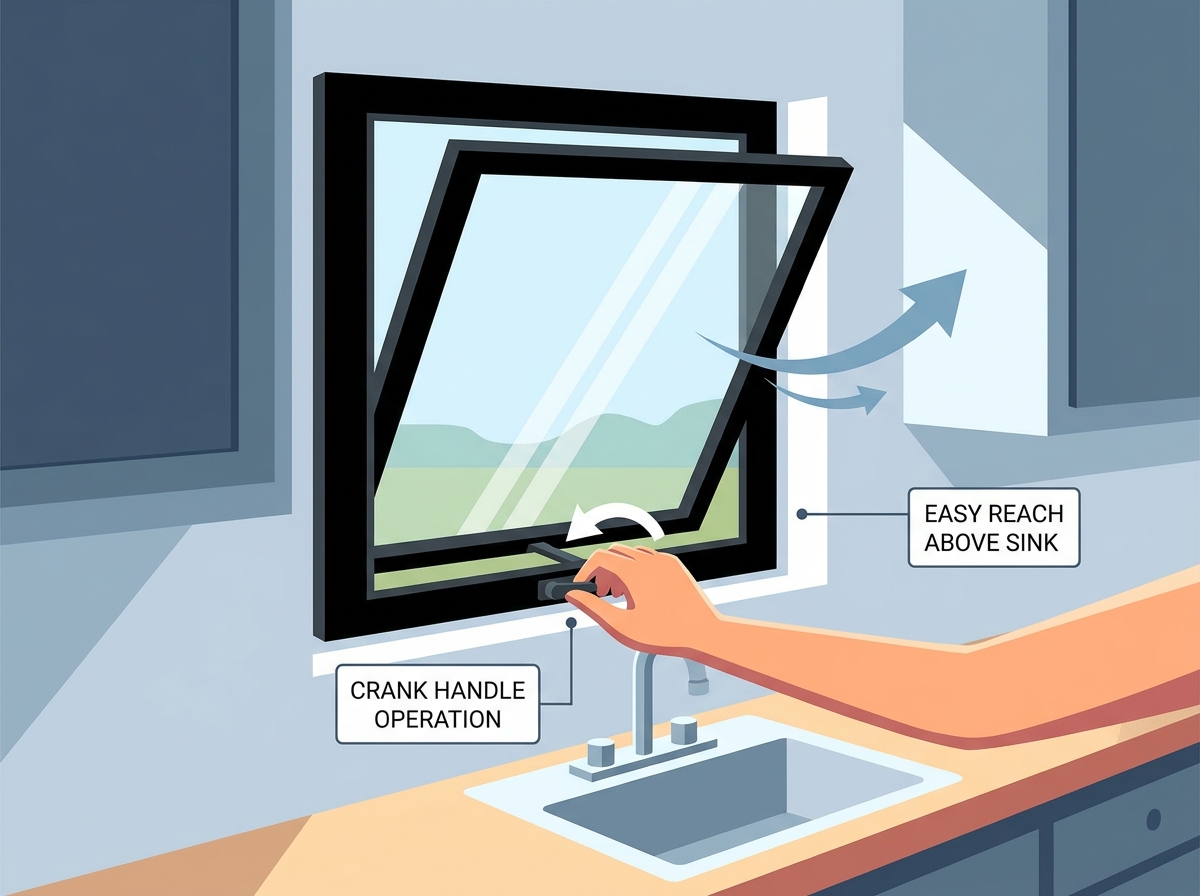
For casement styles, the mechanism used to open the sash is a critical feature. DAW Casement Windows are equipped with high-quality crank handles. This design choice provides significant mechanical advantage, allowing users to easily open and close even large, heavy sashes with minimal effort. This smooth crank operation is particularly convenient for windows located in hard-to-reach areas, such as above kitchen sinks or deep countertops, where leaning over to push a window open would be impractical or ergonomically challenging.
Security is another paramount consideration where high-quality systems distinctly outshine standard alternatives. A window is only as secure as its locking mechanism and the strength of its frame. Standard windows often rely on simple, single-point latches that can be easily bypassed or forced open. Premium fenestration products prioritize occupant safety through advanced engineering. DAW Casement Windows feature a robust multi-point security locking system. When the locking handle is engaged, the mechanism secures the sash to the frame at multiple points along the profile simultaneously. This distributes the locking force evenly, preventing the sash from being pried open and providing a highly secure barrier against unauthorized entry. Combined with the inherent strength of the 6063-T5 aluminum alloy and the option for tempered glass, this multi-point locking system offers homeowners profound peace of mind.
The primary functions of any window are to provide natural light, offer views of the exterior, and facilitate ventilation. The design of the window significantly impacts how well it performs these functions. Standard sliding or hung windows only allow for a maximum of 50% ventilation, as one sash must always slide over the other. Furthermore, the meeting rails in the center of these traditional designs obstruct the view. High-quality casement designs address both of these limitations effectively.
DAW Casement Windows feature a fully opening sash that can catch passing breezes and direct fresh air into the home, providing maximum ventilation. This makes them ideal for spaces where rapid air exchange is beneficial, such as kitchens and bathrooms, helping to quickly dissipate cooking odors, smoke, or excess humidity. Furthermore, these windows are intentionally designed without a center meeting rail. When closed, this provides a clear, expansive, and uninterrupted view of the outdoors, making them highly suitable for living rooms, bedrooms, and dining areas where scenic views are a priority. The ability to seamlessly connect the interior living space with the exterior environment is a hallmark of premium architectural design.
To accommodate different architectural styles and spatial constraints, high-quality systems offer various operational configurations. While the standard opening type is an outswing (hinged on either the left or right side), inswing window configurations are also available upon request, providing flexibility for specific design requirements or exterior clearance limitations. The product line encompasses various types to suit diverse needs, including single casement windows for standard openings, double or French casement windows for wider, dramatic views without a center mullion, and push-out casement styles for a more traditional operational feel.
While performance and durability are critical, the visual impact of fenestration on a building's exterior facade and interior design cannot be overstated. Standard windows often come in a very limited palette of colors, typically white or beige, restricting design possibilities. High-quality aluminum systems, however, offer extensive customization options, allowing architects and homeowners to perfectly match the windows to their specific aesthetic vision.
The finishing process for premium aluminum is highly advanced, ensuring long-lasting color retention and resistance to fading, chalking, or peeling. DAW Casement Windows are available in a selection of sophisticated standard finishes, including Matte Black for a striking, modern industrial look, Anthracite Grey for a sleek, contemporary feel, and Classic White for a timeless, clean appearance. For projects requiring a specific color palette, custom RAL colors can be specified, providing virtually limitless design flexibility.
Furthermore, for those who desire the warm, traditional aesthetic of timber but require the low maintenance and high durability of metal, advanced finishing technologies offer a compelling solution. These premium windows offer heat-transfer wood grain technology. This sophisticated process bonds a realistic wood grain pattern directly into the powder-coated surface of the aluminum, resulting in the visual appearance of natural wood combined with the structural integrity and weather resistance of a thermally broken aluminum frame. This allows for classic design aesthetics without the inherent drawbacks of real wood, such as rotting, warping, or the need for frequent repainting and sealing.
Customization extends beyond the frame color to include functional and decorative accessories. To protect the interior from insects while maintaining ventilation, these windows can be fitted with integrated screens. Options include standard fiberglass mesh for basic insect protection or robust stainless steel security mesh screens, which provide an additional layer of safety against intrusions while still allowing for airflow. For architectural styles that require specific glazing aesthetics, the windows support the integration of internal or external decorative grilles. These grilles can be configured in traditional Colonial patterns, elegant Prairie styles, or entirely custom geometric designs, allowing the fenestration to perfectly complement the historical or contemporary character of the home.
When investing in premium building materials, verifiable quality assurance is essential. Standard windows may meet basic local building codes, but high-quality systems are rigorously tested to meet or exceed stringent international standards. This commitment to quality ensures that the products will perform as advertised under demanding real-world conditions.
The manufacturing and performance of DAW Casement Windows are backed by several critical certifications. They hold the AS2047 certification, which is a rigorous standard for the performance of windows and glazed doors, ensuring they meet strict criteria for structural deflection, operating force, air infiltration, and water penetration resistance. The CE mark indicates conformity with health, safety, and environmental protection standards for products sold within the European Economic Area. Furthermore, NFRC (National Fenestration Rating Council) certification provides standardized, objective ratings for energy performance, allowing consumers to confidently compare the thermal efficiency of the windows. Finally, the manufacturing facilities operate under ISO9001 certification, demonstrating a commitment to consistent quality management systems and continuous improvement in production processes. These certifications serve as independent verification of the superior engineering, material quality, and manufacturing excellence that define high-quality aluminum fenestration products.
In conclusion, the decision to upgrade from standard builder-grade options to premium fenestration solutions represents a significant investment in the long-term comfort, security, and efficiency of a property. While the initial capital outlay may be higher, the lifecycle benefits far outweigh the costs. The superior structural integrity of thermally broken 6063-T5 aluminum, combined with advanced sealing technologies and high-performance glazing, ensures that these windows will withstand the test of time and weather. The meticulous attention to detail in hardware selection, security features, and acoustic insulation directly enhances the daily living experience of the occupants. Furthermore, the extensive customization options, from custom colors and wood grain finishes to decorative grilles, allow these functional elements to elevate the overall architectural design of the home. By choosing rigorously tested and certified products, homeowners are not merely purchasing windows; they are investing in a comprehensive building envelope solution that will provide enduring value, aesthetic beauty, and unparalleled performance for decades to come.
DAW Casement Windows represent a premier architectural solution for homeowners and builders seeking maximum ventilation, unobstructed views, and robust weather resistance, making them highly suitable for critical areas like kitchens, bathrooms, and living rooms. Their combination of thermally broken 6063-T5 aluminum, multi-point security locking, and customizable aesthetics—including wood grain technology and custom RAL colors—delivers exceptional long-term value, energy efficiency, and reliable operation for discerning residential and commercial projects.


