
Views: 0 Author: Site Editor Publish Time: 2026-08-26 Origin: Site


When homeowners and architects begin the process of selecting the perfect entryway or patio transition for a residential or commercial property, the debate often centers around choosing the right material. Among the most popular and highly debated options on the market today is the choice between an exterior aluminum door and a fiberglass door. Both materials offer distinct advantages, unique aesthetic profiles, and specific performance metrics that cater to different architectural styles, climatic conditions, and functional requirements. Making an informed decision requires a deep dive into the structural composition, energy efficiency, security features, and long-term durability of both options. Choosing an exterior aluminum door, for instance, brings a specific set of modern benefits, particularly when engineered with advanced thermal technologies and robust hardware systems. In this comprehensive analysis, we will explore every facet of these two dominant door materials to help you determine which option best aligns with your project's demands.
The evolution of door manufacturing has seen significant leaps over the past few decades. Historically, wood was the primary material of choice, celebrated for its natural beauty and traditional appeal. However, the inherent vulnerabilities of wood—such as warping, rotting, and high maintenance requirements—led the industry to innovate. This innovation gave rise to alternative materials like aluminum and fiberglass, which were designed to overcome the limitations of traditional timber while offering superior performance in harsh weather conditions. Today, the choice between these two advanced materials is not merely about aesthetics; it is about long-term value, structural integrity, and the ability to withstand the rigors of daily use while maintaining optimal energy efficiency.
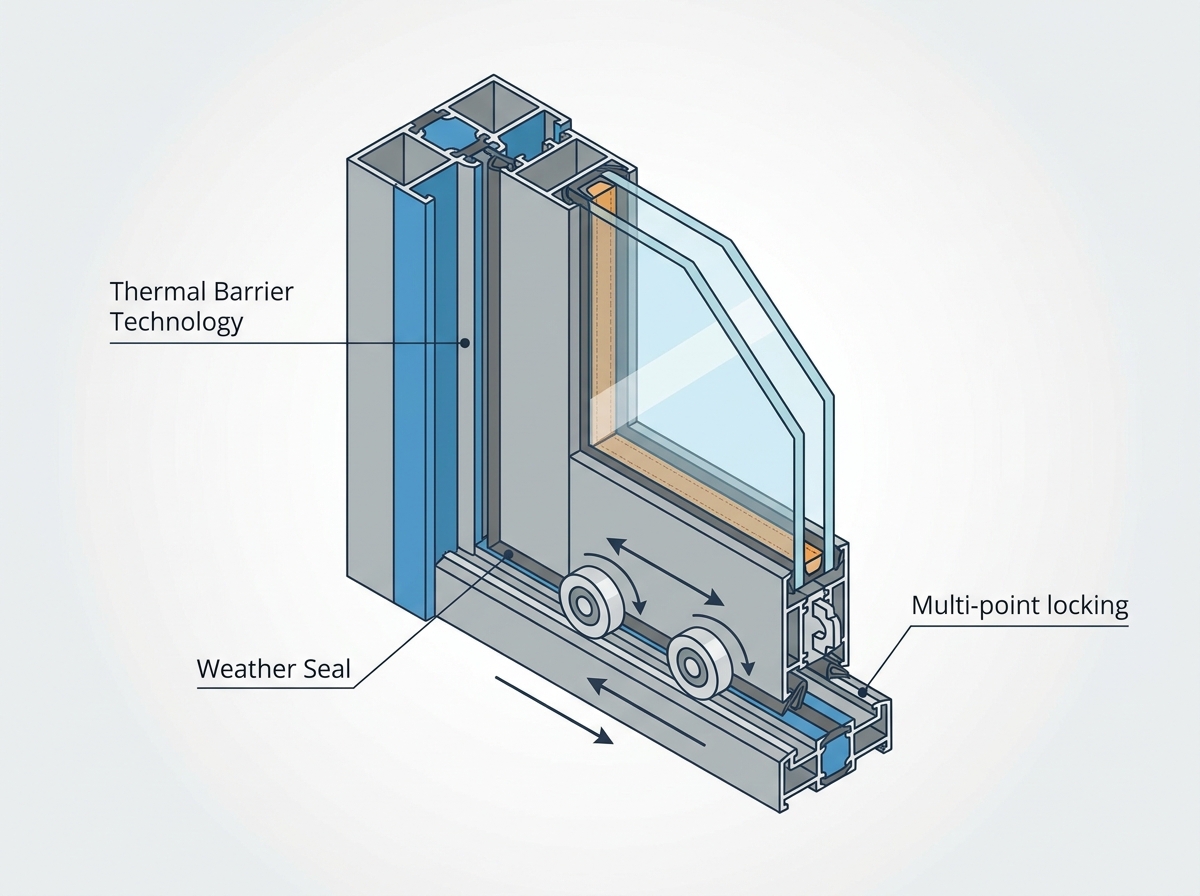
The modern exterior aluminum door is a marvel of contemporary engineering. In the past, aluminum doors were often criticized for their poor thermal performance, as metal is a natural conductor of heat and cold. However, the introduction of thermal break technology revolutionized the industry. Today's high-quality aluminum doors are constructed with advanced thermal barriers that effectively separate the interior and exterior metal profiles, drastically reducing energy transfer. This technological advancement has elevated the exterior aluminum door from a purely commercial application to a highly sought-after option for luxury residential properties and energy-conscious builds.
One of the primary reasons architects and builders favor an exterior aluminum door is its unparalleled structural strength. Aluminum is inherently rigid and strong, allowing for the creation of doors with exceptionally slim frames and massive expanses of glass. This structural capability is particularly evident in products like the DAW Aluminum Sliding Door, which utilizes a frame material made of thermally broken 6060-T66 aluminum with a 1.4mm thickness. This specific grade of aluminum is engineered to resist corrosion, oxidation, and cracking, ensuring that the door maintains its structural integrity and aesthetic appeal even in challenging environmental conditions.
The strength of aluminum also allows for impressive panel dimensions. For instance, high-end aluminum sliding doors can support maximum panel dimensions of up to 6 feet wide and 12 feet tall per panel. This capacity to hold large, heavy panes of glass without compromising the frame's stability is a significant advantage over many fiberglass alternatives, which may require thicker frames to support similar glass weights. The result is a seamless transition between indoor and outdoor spaces, maximizing natural light and offering unobstructed views.
Fiberglass doors have gained immense popularity as a versatile and durable alternative to both wood and steel. Constructed from a composite material consisting of glass fibers embedded in a resin matrix, fiberglass doors are known for their exceptional resistance to denting, scratching, and warping. Unlike wood, fiberglass does not absorb moisture, making it highly resistant to rot, mold, and swelling. This makes fiberglass an excellent choice for humid climates or areas exposed to heavy rainfall.
One of the standout features of fiberglass doors is their ability to mimic the look and texture of natural wood. Manufacturers use advanced molding techniques to create realistic wood grain patterns that can be stained or painted to match almost any architectural style. For homeowners who desire the classic elegance of a mahogany, oak, or fir door but want to avoid the associated maintenance, fiberglass offers a compelling solution. However, while fiberglass excels at replicating traditional styles, it may not always provide the ultra-sleek, minimalist aesthetic that is characteristic of modern architectural designs.
Energy efficiency is a critical consideration in modern construction, driven by both environmental concerns and the desire to reduce heating and cooling costs. The thermal performance of a door is determined by its material composition, the quality of its insulation, and the effectiveness of its weather sealing systems.
As previously mentioned, the historical drawback of aluminum was its thermal conductivity. However, modern thermal break exterior doors have completely transformed the energy efficiency profile of aluminum products. By incorporating a non-conductive material—often a polyamide strut—between the inner and outer aluminum profiles, manufacturers create a thermal barrier that prevents the transfer of heat and cold. The DAW Aluminum Sliding Door, for example, utilizes thermal barrier technology alongside warm-edge spacers to significantly reduce energy transfer. This ensures that the interior of the building remains comfortable regardless of the extreme temperatures outside.
Fiberglass doors are inherently energy-efficient. The core of a fiberglass door is typically filled with high-density polyurethane foam, which provides excellent insulation. Because fiberglass itself is a poor conductor of heat, these doors offer superior resistance to thermal transfer without the need for additional thermal breaks. In terms of raw insulating value (R-value), a solid fiberglass door often outperforms a solid aluminum door. However, when comparing doors with large glass areas—such as sliding patio doors—the thermal performance is largely dictated by the glazing options and the frame's thermal break technology, leveling the playing field between the two materials.
The glass component of any exterior door plays a massive role in its overall performance. Both aluminum and fiberglass doors can be equipped with high-performance glazing options to enhance energy efficiency, security, and noise reduction.
High-quality aluminum doors offer versatile glazing options to meet various performance requirements. The DAW Aluminum Sliding Door provides options such as 5mm tempered glass or 1-inch dual-pane insulated units (5-9A-5). These insulated glass units work in tandem with the thermally broken frames to maximize energy efficiency. Furthermore, to combat the elements, these doors are equipped with EPDM or silicone weather seals. These high-grade seals are crucial for protecting against drafts, moisture infiltration, and temperature extremes, making them highly effective weather resistant aluminum doors capable of withstanding harsh environmental conditions.
In regions prone to severe weather, such as hurricanes or high winds, the structural integrity of the door is paramount. Aluminum's inherent strength makes it an excellent candidate for impact-resistant applications. Certain aluminum doors, including specific configurations of the DAW Aluminum Sliding Door, can be configured for high wind zone and impact-resistant areas using Florida-approved options. These specialized configurations ensure that the door can withstand extreme wind pressures and flying debris, providing peace of mind for property owners in volatile climates. Fiberglass doors can also be engineered for impact resistance, often requiring reinforced cores and specialized impact glass, but aluminum's rigid frame offers a distinct structural advantage in these extreme scenarios.
Security is a non-negotiable aspect of any exterior door. The material of the door frame, the strength of the glass, and the complexity of the locking mechanisms all contribute to the overall security profile.
Both aluminum and fiberglass doors can be outfitted with advanced security hardware. However, the rigidity of aluminum provides an exceptionally stable foundation for complex locking mechanisms. The DAW Aluminum Sliding Door is equipped with multi-point locking systems designed to protect against forced entry. By securing the door at multiple points along the frame with a single turn of the handle or key, these systems distribute the locking force, making it incredibly difficult for intruders to pry the door open. Additionally, the hardware cycle testing for these doors is rigorous, with components tested over 50,000 cycles to ensure long-lasting reliability and security.
In increasingly noisy urban environments, the acoustic performance of an exterior door is a highly valued feature. Sound insulation is achieved through a combination of dense materials, high-quality glazing, and airtight weather seals.
While one might assume that a metal door would transmit sound easily, high-end aluminum doors engineered with thermal breaks and insulated glass offer exceptional noise reduction capabilities. The DAW Aluminum Sliding Door, for instance, can achieve noise reduction levels from up to 85dB down to 32dB. This dramatic decrease in sound transmission is made possible by the combination of the 1-inch dual-pane insulated glass units, the dense 6060-T66 aluminum profiles, and the airtight EPDM or silicone weather seals. This makes an exterior aluminum door an excellent choice for properties located near busy streets, airports, or other sources of significant noise pollution.
The visual impact of a door significantly influences the overall architectural character of a building. The choice between aluminum and fiberglass often comes down to the desired aesthetic—traditional versus contemporary.
For contemporary and minimalist architectural styles, aluminum is the undisputed champion. The strength of the material allows for incredibly narrow sightlines, maximizing the glass area and blurring the lines between indoor and outdoor spaces. These modern exterior doors are available in a wide array of configurations to suit any spatial requirement. The DAW Aluminum Sliding Door offers an impressive variety of panel configurations, including 2, 3, and 4-panel setups, multi-slide options (OX, OXO, OXXO), embedded tracks, bidirectional folding, and even complex corner styles. This level of design flexibility allows architects to create expansive, open-concept living areas that seamlessly transition to patios, balconies, or garden areas.
Furthermore, the finish options for aluminum doors are vast and highly durable. Finishes compliant with AAMA 2604/2605 standards ensure that the color remains vibrant and resistant to fading, chalking, and peeling, even under intense UV exposure. Fiberglass doors, while versatile in mimicking wood, generally cannot match the sleek, industrial, or ultra-modern aesthetic that powder-coated or anodized aluminum provides.
The total cost of ownership for an exterior door includes not only the initial purchase price but also the costs associated with installation, ongoing maintenance, and eventual replacement.
Installing large exterior doors requires precision and expertise. Aluminum doors often offer versatile frame designs to accommodate different construction methods. The DAW Aluminum Sliding Door features frame designs that include knockdown (KD) for easy assembly on-site, block frames, and options with or without nailing fins. This versatility simplifies the installation process for contractors. Additionally, on-site installation services are available in specific regions, such as Australia, ensuring that the doors are fitted perfectly to maximize their performance and lifespan.
When it comes to maintenance, both aluminum and fiberglass are considered low-maintenance materials compared to traditional wood. Fiberglass doors require occasional cleaning and may need to be repainted or restained every few years to maintain their appearance, especially if exposed to direct sunlight. Aluminum doors, particularly those with high-quality AAMA-certified finishes, require very little maintenance. Routine cleaning of the tracks—especially for sliding doors—and occasional lubrication of the adjustable tandem ball-bearing rollers are usually sufficient to ensure smooth and quiet gliding for decades. The expected service life of a high-quality aluminum door, such as the DAW system, is 20+ years, making it a sound long-term investment.
For many homeowners, the ability to ventilate their space without inviting insects indoors is a crucial requirement. Both door types can accommodate various screen systems.
Modern aluminum sliding doors offer highly integrated and versatile screen options. The DAW Aluminum Sliding Door can be equipped with a variety of screen materials, including standard fiberglass, fibermesh, durable aluminum, retractable systems for an unobstructed view when not in use, or heavy-duty 304 stainless steel mesh for added security and pet resistance. These integrated screen systems are designed to operate smoothly within the door's framework, maintaining the sleek aesthetic while providing essential functionality.
When evaluating the quality of an exterior door, industry certifications provide objective proof of performance and reliability. High-end aluminum doors are rigorously tested to meet stringent international standards.
The DAW Aluminum Sliding Door boasts an impressive array of certifications that attest to its superior engineering. It is NFRC Certified, ensuring accurate and reliable energy performance ratings. It is AAMA Certified, with finishes compliant with the rigorous AAMA 2604/2605 standards for long-lasting durability. Furthermore, it holds CSA Certification and AS2047 Certification, demonstrating compliance with strict structural and water penetration resistance standards. The availability of Florida-approved options further underscores the door's capability to perform in the most demanding environmental conditions.
The versatility of both fiberglass and aluminum allows them to be used in a wide range of applications, though their specific strengths often dictate their ideal use cases.
Fiberglass doors are predominantly used in residential settings, particularly as front entry doors where their wood-look aesthetics are highly valued. Aluminum doors, owing to their structural strength and modern appearance, bridge the gap between residential and commercial applications perfectly. The DAW Aluminum Sliding Door is highly suitable for residential applications, enhancing living rooms, bedrooms, kitchens, patios, and balconies with expansive views and natural light. Simultaneously, its robust construction makes it equally suitable for commercial applications, including hotels, restaurants, cafes, terraces, and high-traffic garden areas where durability and smooth operation are paramount.
A manufacturer's warranty is a strong indicator of their confidence in the product's longevity and performance. When investing in premium exterior doors, comprehensive warranty coverage is essential.
High-quality aluminum doors are typically backed by substantial warranties. The DAW Aluminum Sliding Door is supported by a 10-year limited warranty that covers all components and glass, providing significant peace of mind for the property owner. Additionally, the provision of 24/7 remote technical assistance ensures that any operational queries or maintenance issues can be addressed promptly, further enhancing the ownership experience.
Choosing between an exterior aluminum door and a fiberglass door ultimately depends on your specific architectural goals, performance requirements, and aesthetic preferences. If your project demands the classic look of wood with the durability of a composite material, fiberglass is an excellent choice for standard-sized entryways. However, if your vision involves expansive glass panels, ultra-slim sightlines, modern aesthetics, and unparalleled structural strength, aluminum is the superior material.
The advancements in thermal break technology have effectively eliminated the historical energy efficiency concerns associated with aluminum, making it a top-tier choice for sustainable, high-performance building envelopes. When combined with advanced glazing, multi-point locking systems, and rigorous industry certifications, modern aluminum doors offer a comprehensive solution that meets the demands of both luxury residential and rigorous commercial applications.
The DAW Aluminum Sliding Door represents the pinnacle of modern door engineering, offering an exceptional blend of structural integrity, energy efficiency, and contemporary design. Constructed from thermally broken 6060-T66 aluminum with advanced thermal barrier technology and warm-edge spacers, it delivers outstanding weather resistance and noise reduction. With versatile configurations, robust multi-point locking systems, and a 20+ year expected service life backed by a 10-year limited warranty and 24/7 technical support, this NFRC, AAMA, CSA, and AS2047 certified door is the ideal architectural solution for both residential and commercial spaces seeking a durable, high-performance, and visually stunning transition between indoor and outdoor environments.


