
Views: 0 Author: Site Editor Publish Time: 2026-08-14 Origin: Site


When evaluating modern architectural design and residential building materials, the choice of fenestration plays a critical role in both aesthetic appeal and overall building performance. Homeowners, architects, and builders are increasingly focused on sustainability, thermal comfort, and long-term durability. In this context, the transition from traditional building materials to advanced engineering solutions has become paramount. Among the most significant advancements in the industry is the development of energy efficient aluminum windows, which have revolutionized how we approach building envelopes. Historically, standard aluminum was prized for its structural integrity and sleek profile but heavily criticized for its poor thermal performance. Today, innovative manufacturing techniques have bridged the gap between structural strength and thermal resistance. This comprehensive analysis explores the fundamental differences between standard aluminum frames and their highly optimized counterparts, detailing the technological innovations that make modern fenestration systems essential for contemporary living spaces.
To truly appreciate the engineering marvel of modern fenestration, one must first understand the historical context of metal frames in residential and commercial construction. Standard aluminum has been utilized for decades due to its incredible strength-to-weight ratio, resistance to corrosion, and ability to be extruded into precise, narrow profiles. These characteristics allowed architects to design buildings with massive expanses of glass, maximizing natural light and visual connectivity with the outdoors. However, standard aluminum possesses a significant inherent flaw: it is a highly conductive material. In building science, high thermal conductivity means that heat transfers rapidly through the material. During harsh winters, standard aluminum frames draw heat out of the interior spaces, leading to cold drafts, increased heating demands, and severe condensation issues. Conversely, during scorching summers, these frames conduct exterior heat into the building, forcing air conditioning systems to work overtime.
The solution to this thermodynamic challenge led to the creation of advanced fenestration technologies. Engineers developed methods to interrupt the continuous conductive path of the metal. By splitting the aluminum profile into interior and exterior sections and joining them with a structural insulator, they created what is known in the industry as a thermal break. This innovation fundamentally transformed the market, allowing manufacturers to produce thermal break windows that maintain the structural benefits of metal while offering insulation properties that rival or exceed those of wood and vinyl. The integration of these insulating barriers prevents thermal bridging, drastically reducing heat transfer and virtually eliminating interior condensation under normal environmental conditions.
The superior performance of energy efficient aluminum windows relies on a synergistic combination of frame engineering, advanced glazing, and meticulous sealing technologies. It is not merely the frame that dictates performance, but how the frame interacts with the glass unit and the building envelope. Modern systems employ sophisticated multi-chambered designs within the aluminum extrusions. These chambers trap air, providing additional layers of insulation. Furthermore, the specific alloys used in manufacturing play a crucial role in the overall durability and performance of the window system.
For instance, high-quality systems utilize specific grades of aluminum, such as 6063-T5 Thermal Break Aluminum Alloy. This particular alloy is renowned in the extrusion industry for its excellent finishing characteristics, high corrosion resistance, and structural stability. The "T5" designation indicates that the alloy has been thermally treated and artificially aged, ensuring optimal mechanical properties. When this robust material is combined with a high-performance thermal break, the resulting frame can support heavy, multi-pane glazing units without sagging or warping over time, all while maintaining strict thermal boundaries between the interior and exterior environments.
When comparing standard aluminum frames to advanced thermal systems, the differences extend far beyond basic insulation values. The impact of these differences affects interior comfort, energy consumption, acoustic performance, and the long-term integrity of the building envelope. Standard aluminum windows, lacking any thermal interruption, act as literal thermal bridges. In cold climates, the interior surface of a standard aluminum frame can become cold enough to reach the dew point of the indoor air. When this occurs, moisture from the warm indoor air condenses on the cold metal surface. Over time, this condensation can pool on window sills, leading to water damage, mold growth, and the deterioration of surrounding interior finishes.
In stark contrast, thermally broken systems maintain an interior surface temperature that closely mirrors the ambient room temperature. This significantly reduces the risk of condensation, protecting the interior environment and improving indoor air quality by mitigating mold-friendly conditions. Furthermore, the energy savings associated with advanced systems are substantial. By reducing the reliance on artificial heating and cooling, homeowners can achieve significant reductions in their utility expenditures while simultaneously lowering their carbon footprint.
Acoustic performance is another critical area of differentiation. Standard aluminum frames, especially those paired with single-pane or basic double-pane glass, offer minimal resistance to exterior noise pollution. The continuous metal path and basic sealing mechanisms allow sound waves to easily penetrate the building envelope. Advanced systems, however, are engineered with acoustic dampening in mind. The thermal break itself acts as a sound barrier, interrupting the transmission of vibrational energy. When combined with specialized glazing and sophisticated gasket systems, these modern windows can achieve impressive Sound Transmission Class (STC) ratings, creating serene indoor environments even in bustling urban settings or near busy roadways.
Within the realm of high-performance fenestration, DAW Casement Windows represent a prime example of how advanced engineering meets versatile design. Casement windows, by their very nature, are highly efficient. Unlike sliding windows, which require a track and inherently have slight gaps to allow for movement, casement windows press tightly against the frame when closed. The DAW product line leverages this inherent advantage and enhances it with premium materials and thoughtful engineering.
Constructed from 6063-T5 Thermal Break Aluminum Alloy, these windows offer exceptional structural rigidity and thermal resistance. The product line is highly adaptable, available in Single Casement, Double/French Casement, and Push-Out Casement styles. This variety ensures that architects and homeowners can select the perfect operational style for their specific spatial requirements and aesthetic preferences. The Double/French Casement style is particularly notable because it features no center meeting rail. When both sashes are opened, this design provides a clear, expansive view of the outdoors, seamlessly blending indoor and outdoor living spaces without visual obstruction.
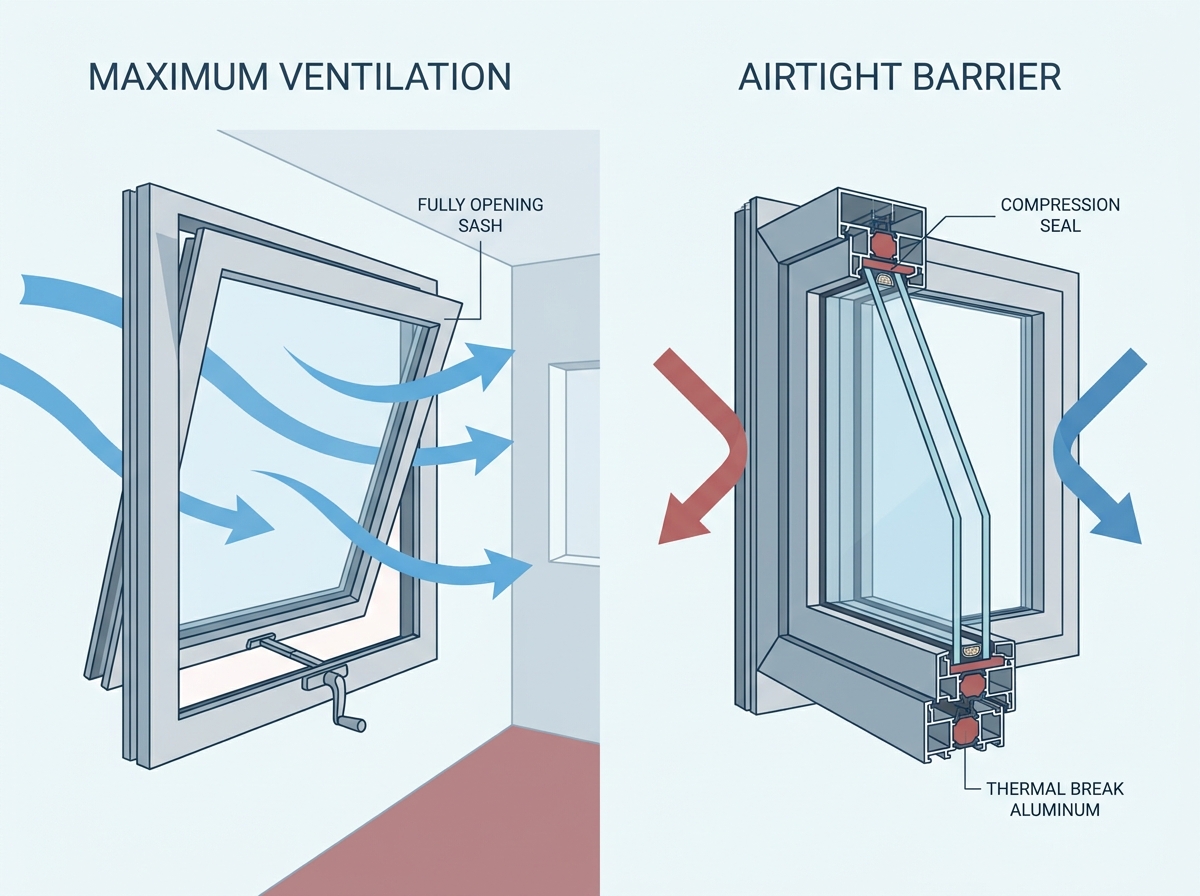
The operational mechanics of DAW Casement Windows are designed for maximum user convenience and environmental control. The fully opening sash directs fresh air into the home for maximum ventilation. Because the entire sash pivots outward, it can catch passing breezes and funnel them into the interior, making casement windows far superior to double-hung or sliding windows in terms of volumetric airflow. This natural ventilation capability is a key component of passive cooling strategies, allowing homeowners to flush warm air from the house during cool evenings, thereby reducing reliance on mechanical air conditioning.
To facilitate effortless operation, these windows are equipped with smooth crank handles. These handles allow for easy opening and closing, even in tight spaces where reaching over a counter or appliance might be necessary. The standard opening type is an outswing configuration, with hinges located on either the left or right side depending on the specific installation requirements. For unique architectural situations or specific regional preferences, an inswing configuration is also available upon request.
The true measure of a high-performance window lies in its ability to seal out the elements. DAW Casement Windows utilize a compression seal that creates an airtight and weather-resistant barrier when closed. As the crank handle pulls the sash tight against the frame, the sophisticated weather stripping is compressed, eliminating drafts and preventing water infiltration even during severe weather events. This system relies on Triple-seal EPDM Gaskets. EPDM (Ethylene Propylene Diene Monomer) is a highly durable synthetic rubber widely used in the automotive and construction industries for its exceptional resistance to heat, ozone, and weather. The triple-seal configuration ensures redundant protection, guaranteeing long-term performance and reliability.
Glazing is equally critical to the overall efficiency of the window unit. The DAW system accommodates a variety of high-performance glass options, including Double/Triple Glazing. The choice between double and triple glazing depends on the specific climate zone and the desired level of thermal and acoustic performance. To further enhance efficiency, the system supports Low-E glass windows. Low-Emissivity (Low-E) coatings are microscopically thin, transparent metallic layers applied to the glass surface. These coatings reflect interior heat back into the room during winter while reflecting harmful solar radiation away from the building during summer, drastically improving the window's U-factor and Solar Heat Gain Coefficient (SHGC).
Additionally, the spaces between the glass panes can be Argon-filled. Argon is an inert, non-toxic gas that is denser than air. When used to fill the insulated glass unit (IGU), it significantly reduces convective heat transfer between the panes, further boosting the window's insulating properties. For safety and durability, Tempered glass options are utilized, providing increased impact resistance and ensuring that if the glass were to break, it would shatter into small, relatively harmless granular chunks rather than dangerous, jagged shards. The combination of these glazing technologies results in a formidable barrier against thermal transfer and noise, allowing the windows to achieve an STC Rating up to 40-45 dB, ensuring a whisper-quiet interior environment.
While performance is paramount, visual appeal remains a critical deciding factor in residential architecture. DAW Casement Windows offer extensive customization options to complement any architectural style, from ultra-modern minimalist designs to traditional heritage homes. The aluminum frames are available in a selection of sophisticated finishes, including Matte Black, Anthracite Grey, and Classic White. For projects requiring specific color matching, custom RAL colors can be specified, allowing for complete design freedom.
A unique aesthetic feature available for these windows is the heat-transfer wood grain technology. This innovative finishing process provides the visual appearance of wood with the durability of aluminum. Homeowners can enjoy the warm, classic look of timber frames without the intensive maintenance, susceptibility to rot, or vulnerability to insect damage associated with actual wood. To further tailor the appearance, decorative grilles are available in Colonial, Prairie, or custom geometric patterns. These grilles can be installed internally (between the glass panes for easy cleaning) or externally (for a more authentic, traditional profile).
Security is seamlessly integrated into the design. The windows feature a robust Multi-point Security Locking system. Unlike standard single-point locks, a multi-point system secures the sash to the frame at several distinct locations simultaneously with the single turn of a lever. This not only ensures a perfectly even compression of the EPDM gaskets but also provides exceptional resistance against forced entry. Furthermore, the windows can be equipped with integrated fiberglass mesh or stainless steel security mesh screens. These screens protect the home from insects while the stainless steel option offers an additional, formidable layer of security against intrusion, allowing homeowners to leave their windows open for ventilation with complete peace of mind.
The versatility and high performance of these double glazed aluminum windows make them suitable for a wide array of residential applications. Their superior ventilation capabilities and resistance to moisture make them ideal for Kitchens and Bathrooms, where humidity control and rapid air exchange are essential. The crank handle operation makes them particularly perfectly suited for placement Above Sinks or Countertops, where reaching a traditional sliding window would be ergonomically challenging.
In Living Rooms and Bedrooms, the expansive views provided by the lack of a center meeting rail in the French casement style, combined with the exceptional sound insulation (STC up to 40-45 dB), create bright, tranquil, and comfortable living spaces. The ability to tightly seal out drafts ensures that bedrooms remain cozy during cold winter nights, while the Low-E coatings protect living room furniture and artwork from UV fading.
When selecting building materials, verifiable performance through independent testing is crucial. DAW Casement Windows are backed by rigorous international certifications, ensuring they meet or exceed stringent industry standards. They hold the AS2047 certification, which is the mandatory minimum standard for windows in Australia, testing for structural deflection, operating force, air infiltration, water penetration resistance, and ultimate strength. The CE mark indicates conformity with health, safety, and environmental protection standards for products sold within the European Economic Area. Furthermore, they are certified by the NFRC (National Fenestration Rating Council), providing accurate, unbiased energy performance ratings that builders and homeowners can trust. Finally, the manufacturing process adheres to ISO9001 standards, guaranteeing consistent quality management and continuous improvement in production protocols.
DAW Casement Windows offer a highly engineered, durable, and aesthetically versatile fenestration solution that maximizes natural ventilation, ensures superior thermal and acoustic insulation, and provides robust security, making them an exceptional investment for modernizing kitchens, bathrooms, and living spaces while meeting rigorous international performance standards.


