
Views: 0 Author: Site Editor Publish Time: 2026-08-25 Origin: Site


When architects, builders, and business owners begin planning a new construction project or a major renovation, one of the most critical decisions they face involves selecting the right entryways and access points. The debate between choosing a commercial aluminum door and a traditional steel door has been ongoing for decades, with each material offering its own unique set of advantages, structural characteristics, and aesthetic possibilities. Choosing the right door is not merely a matter of visual preference; it is a fundamental architectural decision that impacts the building's energy efficiency, security, maintenance requirements, and overall longevity. A high-quality commercial aluminum door provides a modern, sleek appearance while delivering exceptional structural integrity, making it an increasingly popular choice for contemporary commercial spaces, retail storefronts, office buildings, and high-end residential complexes. In this comprehensive guide, we will explore the intricate differences between aluminum and steel doors, examining their respective strengths, potential drawbacks, and ideal applications to help you make an informed decision for your next architectural endeavor.
To truly understand the value of these architectural elements, we must dive deep into the material science, engineering principles, and practical applications that define both aluminum and steel. Steel has long been recognized as the heavyweight champion of industrial security, offering unparalleled resistance to blunt force and extreme physical impact. It is the traditional go-to material for back-of-house warehouse doors, high-security industrial facilities, and environments where raw strength is the absolute highest priority. However, as architectural trends have evolved toward more open, light-filled, and energy-efficient designs, the limitations of steel—such as its susceptibility to rust, its heavy weight, and its generally utilitarian appearance—have become more apparent. This shift in architectural priorities has paved the way for the rise of advanced aluminum systems, which offer a compelling combination of lightweight durability, corrosion resistance, and sophisticated design flexibility.
The modern commercial aluminum door is a marvel of contemporary engineering. Unlike the flimsy aluminum products of the past, today's commercial-grade aluminum doors are constructed using advanced alloys and sophisticated extrusion techniques that yield incredibly strong, rigid, and durable profiles. These doors are designed to withstand the rigorous demands of high-traffic commercial environments while maintaining a sleek, minimalist aesthetic that complements a wide range of architectural styles. The inherent properties of aluminum—specifically its high strength-to-weight ratio and natural resistance to corrosion—make it an ideal material for exterior applications where exposure to the elements is a constant concern.
One of the primary reasons architects and builders increasingly specify a commercial aluminum door over a steel alternative is the material's exceptional versatility. Aluminum can be extruded into complex shapes with precise tolerances, allowing for the creation of highly customized door profiles that integrate seamlessly with expansive glass panels. This capability is particularly important in modern commercial design, where maximizing natural light and creating a sense of visual continuity between indoor and outdoor spaces are key objectives. Furthermore, aluminum's lightweight nature significantly reduces the structural load on the building envelope and minimizes wear and tear on hinges, rollers, and other hardware components, thereby extending the operational lifespan of the door system.
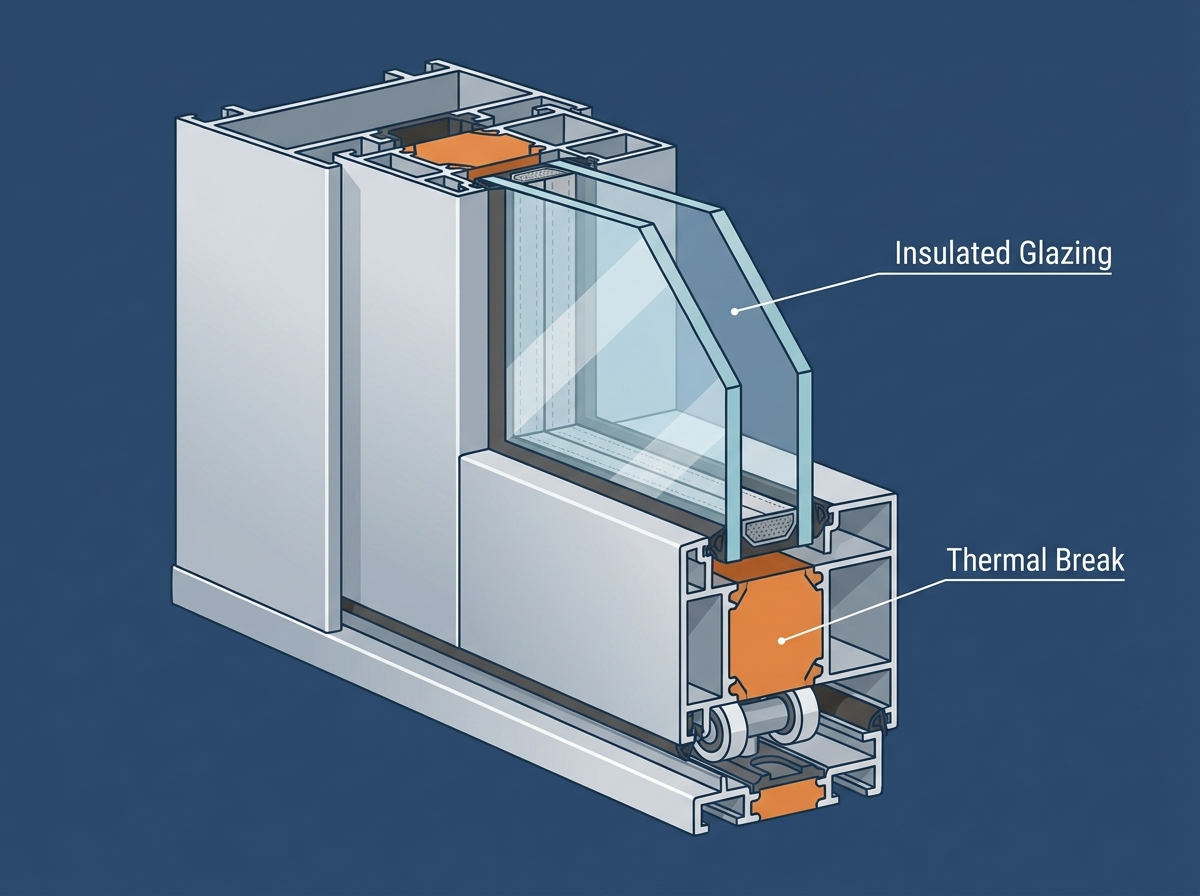
When evaluating the specific performance metrics of a premium aluminum system, the DAW Aluminum Sliding Door serves as an exemplary benchmark. Constructed with thermally broken 6060-T66 aluminum alloy featuring a robust 1.4mm thickness, this door system demonstrates the remarkable structural capabilities of modern aluminum. The 6060-T66 alloy is renowned for its excellent corrosion resistance and structural stability, ensuring that the door frame maintains its integrity even in harsh environmental conditions. This level of engineering is what separates standard entryways from high-performance architectural solutions designed for longevity and reliability.
When comparing aluminum and steel, the conversation inevitably turns to structural integrity. Steel is undeniably strong; it is a dense, heavy metal that provides exceptional resistance to forced entry and physical damage. For environments that require maximum security against heavy impacts—such as industrial loading docks or high-risk storage facilities—steel doors are often the preferred choice. However, this immense strength comes at a cost. Steel doors are incredibly heavy, making them difficult to install and requiring heavy-duty hardware that must be frequently maintained to prevent sagging and operational failure.
In contrast, aluminum offers a superior strength-to-weight ratio. While a solid steel door might be stronger in absolute terms, a well-engineered aluminum door provides more than enough structural integrity for the vast majority of commercial and residential applications, without the burdensome weight. The DAW Aluminum Sliding Door, for instance, is capable of supporting massive panel dimensions—up to 6 feet wide and 12 feet tall per panel—while remaining effortless to operate. This is made possible by the lightweight nature of the aluminum frame combined with advanced hardware, such as the adjustable tandem ball-bearing rollers that ensure smooth gliding even under the substantial weight of large glass expanses.
One of the most significant advantages of aluminum over steel is its natural resistance to corrosion. When steel is exposed to moisture, oxygen, and environmental contaminants, it inevitably begins to rust unless it is meticulously maintained and continuously protected by specialized coatings. Once rust takes hold, it compromises the structural integrity of the steel and rapidly degrades the appearance of the door. This makes steel doors particularly problematic in coastal regions, humid climates, or environments with high levels of chemical exposure.
Aluminum, on the other hand, naturally forms a microscopic oxide layer on its surface when exposed to air, which effectively seals the metal and prevents further oxidation. This inherent corrosion resistance is further enhanced through advanced finishing processes. The DAW Aluminum Sliding Door offers premium finishes, including powder-coated options that meet stringent AAMA 2604/2605 standards, as well as anodized finishes available in Clear, Bronze, Black, and Kynar. These treatments not only provide a stunning aesthetic but also ensure that the door remains impervious to peeling, blistering, and fading, drastically reducing long-term maintenance requirements compared to a steel door.
Historically, one of the main criticisms of metal doors—both aluminum and steel—was their poor thermal performance. Metals are highly conductive, meaning they easily transfer heat and cold between the interior and exterior of a building. In a commercial setting, this thermal bridging can lead to significant energy loss, increased HVAC costs, and uncomfortable indoor environments. However, advancements in thermal barrier technology have completely revolutionized the energy efficiency of modern aluminum doors.
The DAW Aluminum Sliding Door utilizes state-of-the-art thermally broken aluminum profiles to combat energy transfer. A thermal break is a continuous barrier of low-conductive material—typically a specialized polyamide or polyurethane—that is strategically placed within the aluminum extrusion. This barrier effectively separates the interior and exterior halves of the frame, preventing the conductive transfer of thermal energy. When combined with warm-edge glass spacers and high-performance glazing options, such as 5mm tempered glass, 5-9A-5 insulated double glazing, or 1-inch dual-pane insulated units, the thermal performance of these aluminum doors rivals or exceeds that of many traditional materials.
Energy efficiency is not solely dependent on the frame and glazing; the quality of the weather sealing plays a crucial role in preventing drafts, moisture infiltration, and energy loss. Steel doors often rely on standard compression seals that can degrade over time, leading to air leaks and compromised thermal performance. High-quality aluminum systems employ advanced sealing technologies designed for maximum durability and environmental resistance.
The DAW Aluminum Sliding Door is equipped with premium EPDM or silicone weather seals that provide robust protection against drafts, moisture, and temperature extremes. These materials are highly resilient, maintaining their flexibility and sealing properties even after years of exposure to harsh weather conditions. This meticulous attention to weatherproofing ensures that the interior environment remains comfortable and energy-efficient, further solidifying the superiority of advanced aluminum systems in modern construction.
In bustling commercial environments, city apartments, and high-traffic areas, acoustic insulation is a critical consideration. Unwanted exterior noise can significantly disrupt the comfort and productivity of indoor spaces. While solid steel doors provide a certain level of sound dampening due to their mass, they are often not designed with comprehensive acoustic performance in mind, particularly when large glass areas are involved.
Modern aluminum doors, specifically those engineered for high performance, excel in noise reduction. The combination of thermally broken frames, precise manufacturing tolerances, high-quality weather seals, and insulated glazing units creates a formidable barrier against sound transmission. The DAW Aluminum Sliding Door is capable of reducing outside noise from up to 85dB down to a remarkably quiet 32dB. This exceptional acoustic performance makes it an ideal choice for hotels, restaurants, cafes, and urban residential applications where maintaining a peaceful indoor environment is essential.
When it comes to architectural design, aesthetics are just as important as structural performance. Steel doors are often limited in their design flexibility; they are typically manufactured in standard sizes and utilitarian styles that can detract from the visual appeal of a modern building. While they can be painted, the heavy, industrial look of steel is difficult to disguise, making it less suitable for high-end commercial and residential spaces.
Aluminum, conversely, offers unparalleled design flexibility. The extrusion process allows for the creation of incredibly slim sightlines, maximizing the glass area and providing unobstructed views. This minimalist aesthetic is highly sought after in contemporary architecture. The DAW Aluminum Sliding Door is available in a variety of panel configurations, including 2, 3, 4-panel, or expansive multi-slide designs (such as OX, OXO, OXXO). This adaptability allows architects to design massive, light-filled openings that seamlessly blend indoor and outdoor spaces, a feat that is virtually impossible to achieve with traditional steel doors.
Security is a paramount concern for any commercial or residential property. While steel is inherently strong, the overall security of a door system depends heavily on the quality of its locking mechanisms and hardware. A heavy steel door with a basic lock is far less secure than a well-engineered aluminum door equipped with advanced, multi-point locking systems.
The DAW Aluminum Sliding Door addresses security concerns comprehensively by integrating robust multi-point locking systems that provide exceptional protection against forced entry. These systems secure the door at multiple points along the frame with a single turn of the handle or key, distributing the locking force and preventing the door from being easily pried open. Furthermore, the hardware used in these premium aluminum doors is designed for extreme longevity. The hardware of the DAW system has been rigorously tested for over 50,000 cycles, ensuring reliable performance and sustained security even in the most demanding, high-traffic environments.
The installation process for commercial doors can significantly impact project timelines and labor costs. Steel doors, due to their immense weight, often require specialized lifting equipment and a larger crew to install safely. They also demand perfectly plumb and reinforced framing to support their mass, which can complicate the installation process and increase overall costs.
Aluminum doors offer greater installation flexibility. The DAW Aluminum Sliding Door is highly compatible with various structural setups, including knockdown (KD) frames, block frames, specialized sill designs, and coordinating sidelight/transom units. The availability of a knockdown (KD) frame option specifically allows for easier transportation and on-site assembly, streamlining the installation process. Additionally, the system is supported by 24/7 remote technical assistance to address any installation questions, ensuring a smooth and efficient setup.
Compliance with industry standards and building codes is non-negotiable in commercial construction. The DAW Aluminum Sliding Door boasts an impressive array of certifications, providing peace of mind to architects, builders, and owners. It is NFRC certified, CSA certified, and AS2047 certified, confirming its exceptional thermal and structural performance. Furthermore, Florida-approved options are available, making this door system suitable for high wind zone and impact-resistant areas where building codes are exceptionally stringent.
The versatility of aluminum makes it the perfect material for a wide array of commercial applications. When designing a modern storefront or an upscale office entrance, architects frequently specify commercial glass doors framed in aluminum to maximize visibility and natural light. The sleek profiles of aluminum frames allow the glass to take center stage, creating an inviting and transparent facade that draws customers in and enhances the overall aesthetic of the building.
In environments that experience a constant flow of pedestrians, such as shopping malls, airports, and large educational institutions, durability is just as important as appearance. For these demanding applications, high traffic aluminum doors are engineered to withstand continuous use without compromising their structural integrity or smooth operation. The robust hardware, such as the tested 50,000-cycle rollers and reinforced corner joints, ensures that these doors can handle the rigors of daily commercial life while requiring minimal maintenance.
Sourcing these high-performance architectural elements requires partnering with a reputable manufacturer. Working with a dedicated commercial door supplier ensures that builders have access to the latest advancements in aluminum extrusion, thermal break technology, and premium glazing options. A specialized supplier can provide the necessary technical support, custom configurations, and certified products required to meet the specific demands of complex commercial projects.
When evaluating the total cost of ownership, the initial purchase price of a door system must be weighed against its long-term maintenance requirements, energy savings, and operational lifespan. While a basic steel door might have a lower upfront cost, the ongoing expenses associated with rust prevention, repainting, hardware replacement, and potential energy loss can quickly accumulate.
Investing in a premium aluminum system like the DAW Aluminum Sliding Door offers a superior long-term value proposition. The exceptional durability of the 6060-T66 aluminum alloy, combined with the maintenance-free powder-coated or anodized finishes, drastically reduces upkeep costs. The advanced thermal barrier technology and high-performance glazing contribute to significant energy savings over the life of the building. Furthermore, the system is backed by a comprehensive 10-year limited warranty covering all components and glass, providing long-term financial protection and assurance of quality. While on-site installation services are limited to specific regions such as Australia, the provision of 24/7 remote technical assistance ensures that support is always available, regardless of the project's location.
In the comprehensive analysis of commercial aluminum doors versus steel doors, it becomes evident that while steel retains its place in purely industrial, high-impact environments, aluminum is the superior choice for the vast majority of modern architectural applications. The combination of lightweight strength, unparalleled corrosion resistance, advanced thermal performance, and sophisticated design flexibility makes aluminum the definitive material for contemporary commercial and high-end residential spaces. By leveraging cutting-edge engineering, premium materials, and rigorous testing, modern aluminum doors provide a perfect synthesis of form and function, elevating the aesthetic appeal of a building while delivering uncompromising performance, security, and longevity.
The DAW Aluminum Sliding Door represents the pinnacle of modern architectural entryway solutions, offering an unmatched combination of structural durability, energy efficiency, and sophisticated design. Constructed from robust, thermally broken 6060-T66 aluminum alloy and featuring advanced thermal barriers, warm-edge spacers, and premium weather seals, this system delivers exceptional insulation and noise reduction (from 85dB down to 32dB) for both commercial and residential environments. With its ability to support massive panels up to 6 feet wide and 12 feet tall, equipped with smooth-gliding tandem rollers tested for 50,000 cycles, and secured by multi-point locking mechanisms, it provides reliable, high-traffic performance. Backed by a 10-year limited warranty, rigorous NFRC, CSA, and AS2047 certifications, and available with Florida-approved impact options, this door system is the ultimate choice for architects and builders seeking a resilient, low-maintenance, and visually stunning access solution.


