
Views: 0 Author: Site Editor Publish Time: 2026-08-05 Origin: Site


When homeowners and architects embark on the journey of designing or renovating a contemporary residence, the selection of fenestration plays a pivotal role in defining both the exterior facade and the interior ambiance. Among the most striking design choices available today, the decision to install dark-framed fenestration has become a hallmark of contemporary design. Specifically, the debate often centers around the color durability and long-term performance of black aluminum windows compared to their vinyl counterparts. Choosing the right material is not merely a matter of immediate aesthetic gratification; it is a long-term investment in the structural integrity, energy efficiency, and visual appeal of the property. The dark frames create a bold, graphic contrast against light-colored walls, framing outdoor views like living works of art while anchoring the architectural composition with a sense of modern sophistication.
The architectural trend favoring dark window frames has surged in popularity, driven by the desire for clean lines, industrial-chic aesthetics, and seamless indoor-outdoor transitions. However, dark colors, particularly black, absorb a significant amount of solar radiation. This absorption subjects the window frames to intense thermal stress and ultraviolet (UV) exposure, making color durability a critical factor in the decision-making process. If a frame material cannot withstand these environmental pressures, the beautiful dark finish can quickly degrade into a chalky, faded, or warped eyesore, compromising the entire design vision. Therefore, understanding the fundamental differences in how aluminum and vinyl handle dark pigments, thermal expansion, and UV radiation is essential for making an informed choice that will stand the test of time.
The resurgence of industrial and minimalist design philosophies has firmly positioned black aluminum windows as a premier choice for luxury homes, commercial buildings, and upscale renovations. The inherent strength of aluminum allows for incredibly narrow sightlines, maximizing the glass area and allowing natural light to flood interior spaces. This structural superiority means that even expansive panes of heavy, energy-efficient glass can be supported by remarkably slim frames, a feat that weaker materials struggle to achieve without bulky reinforcement. The sleek, unobtrusive nature of these frames perfectly complements the modern architectural ethos, which prioritizes open spaces, natural light, and a strong connection to the surrounding environment.
Furthermore, the versatility of aluminum extends beyond its structural capabilities. It is a material that accepts various high-performance finishes, ensuring that the desired aesthetic remains pristine for decades. Whether the design calls for a smooth, matte appearance or a subtly textured surface, aluminum provides a stable and reliable substrate. As architects continue to push the boundaries of residential design, demanding larger openings and more expansive views, the reliance on robust materials becomes increasingly pronounced. In this context, the dark aluminum frame is not just a stylistic preference but a functional necessity, offering the perfect synthesis of form and function.
Color durability is the cornerstone of long-term satisfaction when investing in dark-colored fenestration. When you select black aluminum windows, you are choosing a bold architectural statement that relies on the depth and consistency of its color. UV radiation from the sun is relentless, breaking down the chemical bonds in pigments and causing surfaces to fade, chalk, or discolor over time. For light-colored frames, this degradation might be subtle and easily overlooked. However, on a black surface, even minor fading is immediately noticeable, transforming a crisp, elegant frame into a dull, weathered distraction.
Beyond UV degradation, thermal cycling poses a significant threat to color integrity. Dark surfaces absorb heat, causing the frame material to expand during the day and contract as temperatures drop at night. This constant movement can stress the finish, leading to micro-cracking, peeling, or blistering if the coating is not perfectly bonded to the substrate or if the underlying material lacks dimensional stability. Therefore, the color durability of black aluminum windows is inextricably linked to both the quality of the finish applied and the structural characteristics of the aluminum itself. Ensuring that these frames retain their original luster requires advanced finishing techniques that can withstand the harshest environmental conditions without compromising their visual appeal.
To fully appreciate the differences in color durability, one must first understand the fundamental properties of the materials in question. Aluminum and vinyl represent two entirely different approaches to window manufacturing, each with its own set of advantages, limitations, and behavioral characteristics under environmental stress. The choice between the two often comes down to a balance of budget, performance expectations, and aesthetic requirements, but when dark colors are introduced into the equation, the performance gap between the two materials becomes starkly apparent.
Aluminum is a lightweight, highly conductive metal known for its exceptional strength-to-weight ratio and natural resistance to corrosion. In the context of window manufacturing, it is typically extruded into complex profiles that form the frame and sash components. Because it is a metal, aluminum possesses excellent dimensional stability. It does not warp, twist, or sag under normal environmental conditions, and its coefficient of thermal expansion is relatively low compared to many plastics. This means that even when exposed to the intense heat absorbed by a black finish, an aluminum frame will maintain its structural integrity and shape.
To combat its natural thermal conductivity, modern aluminum frames incorporate a thermal break—a non-conductive barrier placed between the interior and exterior halves of the frame. This innovation drastically reduces heat transfer, making contemporary aluminum windows highly energy-efficient. When it comes to finishing, aluminum's metallic surface provides an ideal substrate for advanced coating technologies, such as powder coating and anodizing, which create incredibly durable, fade-resistant surfaces that are chemically bonded to the metal.
Vinyl windows are constructed from polyvinyl chloride (PVC), a synthetic plastic polymer. PVC is widely used in construction due to its low cost, excellent insulating properties, and resistance to moisture. Vinyl frames are extruded with multiple internal chambers that trap air, providing natural thermal insulation without the need for a separate thermal break. In their standard white or light-colored forms, vinyl windows offer a cost-effective and low-maintenance solution for many homeowners.
However, vinyl has a significantly higher coefficient of thermal expansion than aluminum. It expands and contracts considerably with temperature fluctuations. When a dark color is applied to or extruded into a vinyl frame, the increased heat absorption exacerbates this movement. This excessive thermal cycling can lead to warping, bowing, and stress on the welded corners of the frame. Furthermore, the molecular structure of PVC is more susceptible to UV degradation than metal, requiring the addition of UV inhibitors (like titanium dioxide) to prevent the plastic from becoming brittle and chalky over time. While these inhibitors work well for white frames, creating a durable, dark-colored vinyl frame presents a complex chemical and engineering challenge.
The method used to apply color to a window frame is just as important as the frame material itself when determining long-term color durability. The industry utilizes several different techniques, each offering varying levels of resistance to fading, scratching, and environmental wear. Understanding these processes is key to evaluating the true value and expected lifespan of dark-colored fenestration.
Aluminum frames are typically finished using one of two highly durable processes: powder coating or anodizing. Powder coating involves applying a dry, electrostatically charged powder to the aluminum surface, which is then baked in a curing oven. The heat causes the powder to melt and form a tough, continuous, and chemically bonded layer. This process results in a finish that is exceptionally resistant to chipping, scratching, and UV fading. High-quality architectural powder coatings are specifically formulated to withstand decades of sun exposure without significant color loss, making them ideal for matte black windows that demand a flawless, long-lasting aesthetic.
Anodizing is an electrochemical process that thickens and toughens the naturally occurring oxide layer on the surface of the aluminum. The color is integrated into the porous oxide layer before it is sealed, meaning the finish is not merely a coating on top of the metal, but a part of the metal itself. Anodized finishes are incredibly hard and immune to peeling or flaking. While the color palette for anodizing is more limited than powder coating, it offers unparalleled durability and a distinct, metallic appearance that is highly prized in modern architecture.
Achieving a dark color on a vinyl frame is typically done through painting, foiling, or co-extrusion. Painting involves applying a specialized coating to the exterior surface of the PVC profile. While modern paints for plastics have improved, they are still essentially a surface layer that can be susceptible to scratching, peeling, and UV fading over time, especially under the intense heat absorbed by dark colors. Foiling involves bonding a colored or textured laminate film to the vinyl profile. This can provide a durable finish, but the edges and corners can be vulnerable to peeling if not manufactured perfectly.
Co-extrusion is a more advanced method where a thin layer of colored acrylic or highly durable polymer is extruded simultaneously with the PVC base, fusing the two materials together. This provides better color retention and scratch resistance than painting. However, regardless of the coloring method, the underlying vinyl remains susceptible to the extreme thermal expansion caused by the dark color's heat absorption, which can ultimately compromise the structural integrity and the appearance of the finish.
The environment in which a window is installed plays a massive role in how well its color will hold up over time. Windows are subjected to a relentless barrage of natural forces, and dark colors amplify the effects of these elements. A thorough understanding of these environmental stressors is crucial for selecting a product that will endure.
Ultraviolet (UV) radiation from the sun is the primary cause of color fading in exterior building materials. UV rays possess enough energy to break the chemical bonds within pigments and polymers, a process known as photodegradation. Over time, this causes the color to lose its vibrancy and depth, often resulting in a chalky residue on the surface. Dark colors absorb more light across the spectrum, meaning they are subjected to a higher thermal load alongside the UV exposure, accelerating the degradation process.
High-quality powder coatings used on aluminum frames are formulated with advanced UV-resistant resins and pigments designed specifically to combat photodegradation. These architectural-grade finishes undergo rigorous testing to ensure they maintain their color and gloss retention for decades, even in high-UV environments. In contrast, while vinyl manufacturers incorporate UV stabilizers into their products, the base PVC material is inherently more vulnerable to UV damage than metal, making the long-term color stability of dark vinyl a more challenging proposition.
As previously mentioned, dark colors absorb significantly more solar heat than light colors. On a hot, sunny day, a black window frame can reach temperatures well above the ambient air temperature. This intense heat causes the frame material to expand. When the sun sets and the temperature drops, the material contracts. This continuous cycle of expansion and contraction places immense stress on the window's structural components, seals, and finishes.
Aluminum's low coefficient of thermal expansion allows it to handle these temperature extremes with minimal dimensional change. The frame remains rigid and stable, ensuring that the weather seals remain tight and the finish is not subjected to stretching or micro-cracking. Vinyl, conversely, expands and contracts at a much higher rate. The heat absorbed by a black vinyl frame can cause it to warp, bow, or twist, potentially breaking the airtight seals, causing operational difficulties, and stressing the applied color finish to the point of failure.
When seeking the pinnacle of performance, durability, and aesthetic customization in fenestration, the DAW Casement Windows emerge as a superior solution. These custom aluminum casement windows are engineered to meet the rigorous demands of modern architecture while providing unparalleled comfort and security for the homeowner. By utilizing advanced materials and state-of-the-art manufacturing techniques, these windows offer a perfect blend of form and function, ensuring that your investment enhances your property for years to come.
The foundation of the DAW Casement Windows lies in their robust construction. They are meticulously crafted from heavy-duty 6063-T5 Thermal Break Aluminum Alloy. This specific alloy provides exceptional structural strength, allowing for the creation of large, expansive windows with incredibly slim sightlines. The integration of the thermal break technology ensures that these frames offer excellent energy efficiency, preventing the transfer of heat and cold between the interior and exterior environments. This structural integrity guarantees that the frames will not warp or degrade, even when finished in heat-absorbing dark colors.
Security is also a paramount concern, and these windows are equipped with multi-point security locking systems. This advanced hardware ensures that the sash is pulled tightly against the frame at multiple points, providing superior resistance against forced entry and enhancing the overall airtightness of the unit. Furthermore, the design is intentionally crafted without a center meeting rail, which serves to provide completely unobstructed views, seamlessly connecting the indoor living space with the outside world.
Protecting the interior of a home from the elements requires exceptional weather sealing and insulation capabilities. The DAW Casement Windows utilize a sophisticated compression seal design to create an airtight and weather-resistant barrier. This is further enhanced by the inclusion of triple-seal EPDM gaskets for weather stripping, ensuring that drafts, moisture, and dust are effectively kept at bay. The fully opening sash is designed to direct fresh air into the home, allowing for maximum ventilation when desired.
Acoustic and thermal performance are further optimized through versatile glass options. These windows can be fitted with double or triple glazing, Low-E coatings, Argon-filled cavities, and tempered glass. This combination of high-performance glazing and robust sealing provides remarkable sound insulation, achieving an STC rating up to 40-45 dB. This makes them an excellent choice for homes located in noisy urban environments or near busy roadways, ensuring a peaceful and quiet interior atmosphere.
Recognizing that every architectural project has unique aesthetic requirements, the DAW Casement Windows offer extensive customization options. Homeowners and designers can choose from a variety of premium finishes, including Matte Black, Anthracite Grey, Classic White, custom RAL colors, or even heat-transfer wood grain finishes. This flexibility allows for the creation of truly bespoke custom color aluminum windows that perfectly match the design vision of the property.
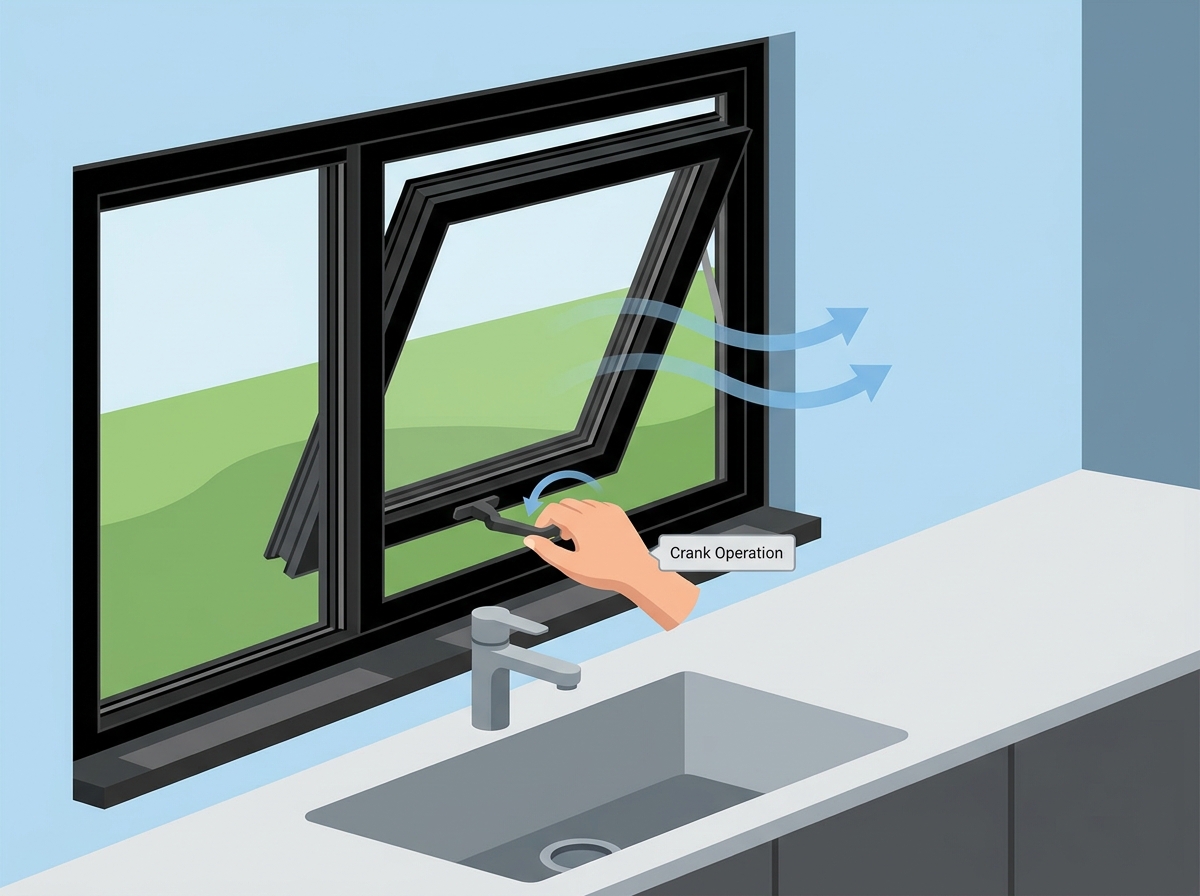
Beyond color, the windows are available in several operational styles, including Single Casement, Double/French Casement, and Push-Out Casement configurations. The standard configuration is an outswing design (left or right side hinged), with inswing options available upon request to accommodate specific spatial constraints. Operation is smooth and effortless, utilizing either easy-to-turn crank handles or manual push-out mechanisms. For added detail and character, the windows can be customized with internal or external decorative grilles in Colonial, Prairie, or geometric patterns. Additionally, they are available with integrated fiberglass mesh or stainless steel security mesh screens, providing protection from insects without compromising airflow or security.
The versatility and high performance of these aluminum casement windows make them suitable for a wide variety of applications throughout a residential or commercial property. Their robust construction and elegant design allow them to enhance both the functionality and the aesthetic appeal of any room they occupy.
Because they feature a fully opening sash that directs fresh air into the home for maximum ventilation, these windows are ideal for kitchens and bathrooms where moisture control and air circulation are critical. The easy-to-turn crank handles make them particularly convenient for installation above sinks or countertops, where reaching to open a traditional sliding or hung window might be difficult.
Furthermore, their ability to support large panes of glass without a center meeting rail makes them highly suitable for living rooms and bedrooms to provide expansive views. The slim sightlines of these modern aluminum windows maximize natural light, creating bright, airy, and inviting spaces. Whether framing a picturesque landscape or providing a sleek, contemporary look to an urban loft, these windows deliver exceptional performance and visual impact.
While high-quality finishes are designed to be incredibly durable, proper maintenance is essential to ensure that any window frame retains its original color and luster over its lifespan. The maintenance requirements differ significantly between aluminum and vinyl, further highlighting the long-term advantages of choosing a premium material.
Maintaining the color durability of powder-coated or anodized aluminum is a straightforward process. Because the finishes are exceptionally hard and chemically bonded to the metal, they do not require painting or sealing. Routine cleaning involves simply washing the frames with a mild, non-abrasive soap and water solution using a soft cloth or sponge. This removes dirt, environmental pollutants, and salt deposits that can accumulate on the surface.
It is important to avoid harsh chemicals, abrasive cleaners, or solvent-based solutions, as these can damage the protective coating. With regular, gentle cleaning, the advanced finishes on aluminum frames will resist fading, chalking, and scratching, maintaining their deep, rich color for decades with minimal effort from the homeowner.
Vinyl windows also require regular cleaning with mild soap and water to remove surface dirt. However, because the material is softer and more susceptible to scratching, extra care must be taken to avoid abrasive materials that could mar the finish. Over time, as the vinyl is exposed to UV radiation and thermal cycling, the surface may begin to chalk or fade, particularly with dark colors.
Unlike aluminum, if a dark vinyl frame begins to fade or discolor significantly, restoring its original appearance is extremely difficult. Painting vinyl is generally not recommended, as the paint may not adhere properly to the plastic substrate and can easily peel or flake due to the material's high rate of thermal expansion. Therefore, the long-term maintenance of dark vinyl often involves managing expectations regarding its inevitable aesthetic degradation.
When evaluating the choice between black aluminum and black vinyl windows, it is essential to look beyond the initial purchase price and consider the long-term value of the investment. Windows are a permanent fixture of the building envelope, and their performance directly impacts energy costs, maintenance expenses, and the overall property value.
Aluminum windows represent a higher initial investment compared to vinyl, but their exceptional durability, structural stability, and color retention provide a significantly longer lifespan. The heavy-duty 6063-T5 Thermal Break Aluminum Alloy resists warping, rotting, and corrosion, while the advanced powder-coated or anodized finishes ensure that the dark color remains vibrant for decades. This longevity means that aluminum windows rarely need to be replaced, offering excellent long-term return on investment.
Vinyl windows may offer a lower upfront cost, but their susceptibility to thermal expansion, warping, and UV degradation—especially when finished in dark colors—often results in a shorter functional and aesthetic lifespan. The potential need for premature replacement due to color fading, seal failure, or structural warping can quickly negate any initial savings. Furthermore, the premium aesthetic and robust performance of aluminum windows, backed by certifications to AS2047, CE, NFRC, and ISO9001 standards, add tangible value to a property, making them the preferred choice for discerning homeowners and builders focused on quality and longevity.
DAW Casement Windows represent an exceptional synthesis of modern aesthetic appeal and uncompromising structural integrity, making them an ideal investment for contemporary homes. By utilizing heavy-duty 6063-T5 Thermal Break Aluminum Alloy and advanced finishing techniques, these custom aluminum casement windows ensure that bold color choices, like Matte Black or Anthracite Grey, remain vibrant and durable against harsh environmental factors without warping or fading. Their sophisticated compression seal design, triple-seal EPDM gaskets, and options for double or triple glazing provide superior weather resistance, energy efficiency, and sound insulation up to 40-45 dB. With versatile configurations, unobstructed views due to the absence of a center meeting rail, and convenient crank or push-out operations, they are perfectly suited for enhancing ventilation in kitchens and bathrooms, or framing expansive views in living rooms and bedrooms, delivering lasting practical value and architectural elegance to any discerning homeowner.


