
Views: 0 Author: Site Editor Publish Time: 2026-07-21 Origin: Site


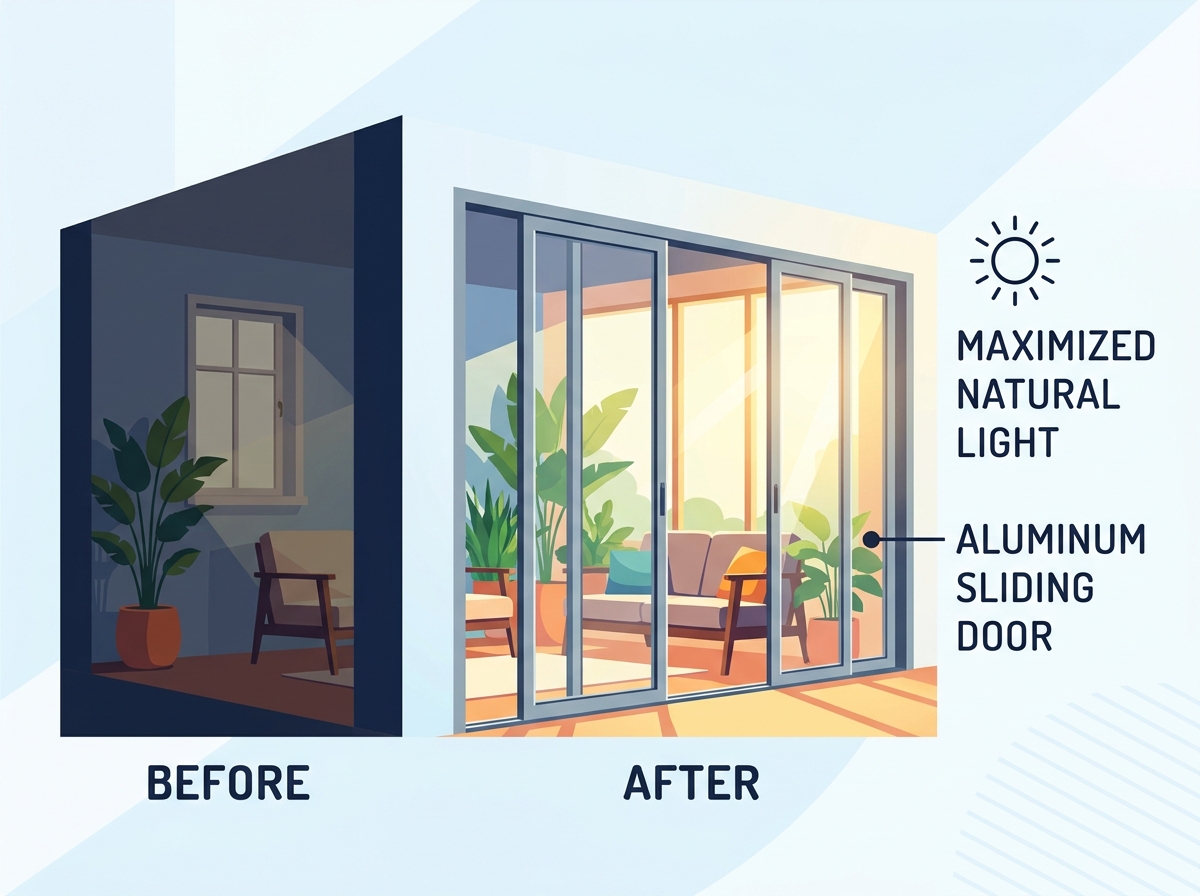
Maximizing daylight drives modern residential design. Bringing natural light indoors enhances visual aesthetics, elevates occupant mood, and increases property value. Homeowners and builders constantly seek ways to dissolve the barrier between interior spaces and the outdoors. Traditional framing materials often fail to meet the structural demands required for expansive glass areas. Bulky frames block light and disrupt sightlines. The solution lies in choosing an aluminum sliding patio door. This material combines immense structural integrity with minimal sightlines. You get oversized glass panels that flood living spaces with sunlight. We will explore the structural advantages, thermal performance, and customization options available. You will learn how slim-profile frames maximize viewable glass area and improve indoor wellness. Finally, we will compare framing materials and provide technical specifications to guide your next renovation project.
Aluminum possesses an exceptional strength-to-weight ratio. This inherent structural strength allows manufacturers to engineer ultra-slim frame profiles. On the job site, we routinely install narrow frames that safely hold heavy, oversized triple-glazed glass panes. These panels often weigh upwards of 400 pounds. Aluminum handles this without sagging or deflecting. You get more glass and less frame. Traditional materials require thick, bulky profiles to support the same glass weight. Aluminum strips away the excess. It leaves a clean, minimalist edge that maximizes light transmission. When framing a rough opening, builders appreciate how rigid the aluminum extrusions remain during handling. The material does not twist or bow when lifted into place. This rigidity translates directly to a larger daylight opening for the homeowner. We never have to worry about the frame buckling under the sheer weight of the insulated glass units.
Sightline width dictates how much natural light enters a room. When comparing framing materials, aluminum consistently offers the narrowest sightlines. Wood frames require substantial thickness to prevent warping under heavy glass loads. PVC or vinyl frames need bulky internal steel reinforcements to maintain rigidity. This widens the frame significantly. High-quality aluminum glass patio doors reduce frame width to a mere fraction of their competitors. We often see aluminum sightlines as narrow as 1.5 inches. Vinyl frames can easily exceed 4 inches. This reduction directly increases the viewable glass surface area. More glass equals a wider, unobstructed view. You get significantly higher daylight penetration. Architects specifically specify these narrow profiles to achieve a true glass wall effect. The minimal framing disappears, drawing the eye straight through to the exterior landscape.
Abundant natural light transforms interior spaces. Flooding a living room or kitchen with daylight creates a brighter, more welcoming environment. Exposure to natural sunlight regulates circadian rhythms. It improves overall occupant wellness. Dark, shadowed corners disappear. The visual boundary between the indoor living area and the outdoor patio dissolves. This seamless connection makes rooms feel larger. They feel more open and intimately connected to the surrounding landscape. Natural light also reduces reliance on artificial lighting during the day. This lowers energy consumption. Homeowners consistently report higher satisfaction levels when their living spaces feature expansive, unobstructed views of the outdoors. The psychological benefits of living in a sunlit space cannot be overstated, especially during long winter months.
Framing materials must endure constant exposure to changing weather conditions. Aluminum excels in dimensional stability. Unlike wood, it does not absorb moisture, swell, or rot. Unlike PVC, it does not expand or contract drastically under extreme temperature fluctuations. This stability ensures the door frame remains perfectly square and true over decades. On construction sites, we use laser levels to set these frames perfectly plumb. Because aluminum does not warp, the sliding rollers and tracks maintain precise alignment. You experience smooth, effortless operation year after year. The doors slide without sticking, jamming, or requiring constant readjustment. This dimensional stability is critical for large multi-panel systems where even a millimeter of deflection causes binding. When a frame shifts, the weatherstripping fails, leading to drafts and water leaks. Aluminum prevents this entirely.
Modern sliding patio door systems offer high resilience against harsh environmental elements. Factory-applied finishes protect the metal from coastal salt air, heavy rain, and intense UV exposure. The material naturally resists rust and corrosion. Maintenance requirements remain incredibly low. You never need to sand, paint, or seal the frames. Routine cleaning with mild soap and water keeps the tracks clear. It keeps the finish looking pristine. We frequently install these systems in coastal environments where salt spray destroys lesser materials. Aluminum stands up to the abuse. The extruded profiles feature integrated weep holes that efficiently channel water away from the interior. This built-in drainage system prevents water from pooling in the sill track during heavy rainstorms.
Older metal doors suffered from poor thermal performance. Modern engineering has completely eliminated this issue. Today's frames feature advanced polyamide thermal breaks. These structural insulators separate the interior and exterior aluminum extrusions. They completely block the conductive path. Heat transfer stops at the frame. This technology reduces heat loss during winter. It prevents heat gain during summer. Combined with high-performance glazing, these doors significantly lower utility costs. They maintain comfortable indoor temperatures year-round. We look for specific U-factors when ordering these units. A thermally broken aluminum frame often matches or exceeds the energy performance of high-end wood clad doors. The thermal struts also allow for dual-color frames, meaning you can have a black exterior and a white interior.
Large glass doors demand robust security measures. The natural rigidity of aluminum provides an incredibly strong foundation for advanced hardware. Frames easily support heavy-duty, multi-point locking mechanisms. These locks secure the door at several points along the jamb with a single turn of the handle. Intruders cannot pry or flex the rigid metal. For areas prone to severe weather or higher security risks, these frames seamlessly integrate with impact-rated, laminated safety glass. This combination delivers exceptional storm protection. It provides peace of mind. The heavy extrusion walls resist forced entry far better than hollow vinyl profiles. We often install anti-lift blocks in the top track to prevent the panels from being lifted out of the frame from the outside.
Architectural styles demand flexible finish options. Manufacturers offer two primary finishing techniques. You can choose powder-coating or anodizing. Powder-coating bakes a dry powder onto the metal. This creates a thick, durable, and scratch-resistant surface. It is available in virtually any color. Anodizing uses an electrochemical process to thicken the natural oxide layer. This results in a metallic sheen that penetrates the material itself. Sleek white and matte black frames currently dominate modern design. They offer a timeless, minimalist appeal. This complements both contemporary and transitional architecture. Custom color matching allows builders to align the door frames perfectly with the exterior fascia or interior trim. The finish will not blister, peel, or flake off over time.
Space and usage dictate the ideal door configuration. Standard two-panel sliding doors work perfectly for traditional patio openings. For wide-span architectural openings, multi-slide and pocket-door configurations offer dramatic solutions. Multi-slide systems stack several panels neatly to one side. Pocket doors disappear entirely into the adjacent wall cavity. This creates a completely unobstructed opening. Selecting the right configuration depends heavily on structural wall space. You must account for the depth of the track system. A four-panel pocket door requires a massive header and a deep wall cavity. We frame these rough openings with engineered lumber to carry the load without sagging. The track depth can exceed 12 inches, requiring careful floor planning.
Glass selection dictates thermal and acoustic performance. When designing custom patio doors, specify low-emissivity (Low-E) coatings. These microscopic metallic layers reflect radiant heat. They allow visible light to pass through. Opt for double or triple glazing with Argon or Krypton gas fills. This maximizes insulation. For the frame hardware, consider flush sill designs. A flush sill embeds the bottom track into the floor. This creates a seamless, barrier-free transition between indoor and outdoor living areas. It prevents tripping hazards. It creates a clean architectural line. We install trench drains exterior to the flush sill to manage heavy rainfall and prevent water intrusion. Heavy-duty tandem rollers made of stainless steel ensure the massive glass panels glide open with minimal effort.
Vinyl offers excellent insulation but lacks structural rigidity. Under high wind loads or extreme heat, PVC frames can flex, warp, or crack. To support large glass panels, vinyl requires thick profiles and internal steel stiffeners. Aluminum provides superior longevity and structural limits. It easily handles high wind loads and oversized glass without warping. Thermal expansion in aluminum is minimal compared to vinyl. This ensures seals remain intact and tracks stay aligned. When installing vinyl doors in hot climates, we often see the frames expand and bind in the summer. Aluminum maintains its shape regardless of the temperature. You do not have to worry about the door getting stuck on a hot afternoon.
Wood delivers classic aesthetics and natural insulation. However, it demands relentless maintenance. Wood frames are heavy. They are susceptible to moisture rot. They remain vulnerable to pest damage. They require regular sanding, staining, and sealing to survive exterior conditions. Aluminum eliminates these maintenance cycles. It weighs less. It completely ignores moisture and pests. The structural integrity of wood degrades over time if not perfectly maintained. Aluminum retains its strength indefinitely. The cost of hiring painters to refinish wood doors every few years quickly adds up. Aluminum provides a install-it-and-forget-it solution.
Evaluating long-term performance makes the choice clear. Minimal maintenance, superior structural performance, and maximum daylight entry make aluminum the smartest investment for modern home renovations. The initial investment pays dividends through energy savings, property value increases, and decades of flawless operation. You get a product that looks brand new twenty years after installation.
| Feature | Aluminum | Vinyl (PVC) | Wood |
|---|---|---|---|
| Sightlines | Ultra-slim (1.5" - 2.5") | Thick/Bulky (3" - 5") | Thick (3" - 4") |
| Maintenance | Very Low | Low | High |
| Structural Strength | Excellent | Moderate | Good |
| Durability (Weather) | Excellent | Good (can warp in heat) | Poor (without maintenance) |
| Thermal Expansion | Minimal | High | Moderate |
Always verify testing standards before purchasing. Look for certified Design Pressure (DP) or Performance Grade (PG) ratings. These numbers indicate the door's tested resistance to air infiltration, water penetration, and structural wind loads. Higher numbers mean better performance. Next, examine thermal performance metrics. Check the U-factor. This measures insulation capability. A lower U-factor means better insulation. Also, review the Solar Heat Gain Coefficient (SHGC). This tells you how well the glass blocks heat from the sun. We always check the AAMA certification labels on the frames before installation. This guarantees the product meets stringent industry standards. Do not buy doors that lack independent laboratory testing data.
Never compromise on installation. Professional installation is critical for large sliding doors. Installers must ensure absolute track leveling. Even a slight slope will cause heavy panels to roll open or closed on their own. We use laser levels and high-density shims to achieve a perfectly flat sill. Proper flashing and drainage systems must be integrated into the rough opening. We install custom sill pans to prevent water intrusion. Incorrect installation often voids the manufacturer's structural warranty. Hire experienced contractors who specialize in large-format glazing systems. They understand how to handle heavy glass and properly seal the perimeter.
Upgrading to slim-profile metal frames transforms a house. It harmonizes maximum natural light entry with architectural durability, high-level energy efficiency, and robust security. You gain expansive views without sacrificing thermal comfort or structural integrity. The right door system completely changes how you interact with your living space and backyard.
A: Modern frames use polyamide thermal breaks that stop temperature transfer. This insulation prevents the interior frame from getting cold enough to draw moisture from the indoor air. It effectively eliminates condensation issues in most climates.
A: Because of the material's high strength-to-weight ratio, custom panels can often exceed 6 to 8 feet in width. The exact maximum depends on the manufacturer's engineering limits and the glass thickness used.
A: Flush sills require integrated drainage channels to manage water. While highly resistant to weather, they are generally recommended for covered patios or areas with adequate overhangs. We install exterior trench drains to prevent severe water pooling.
A: Factory-applied powder coatings are extremely durable and difficult to paint over effectively. It is best to select a timeless color like black, white, or bronze during the initial purchase to avoid future repainting.
A: High-quality stainless steel or precision-bearing rollers can last decades. Keeping the bottom track clean of dirt and debris is the most important factor in extending roller lifespan. Regular vacuuming prevents premature wear.


