
Views: 0 Author: Site Editor Publish Time: 2026-08-01 Origin: Site


Modern architecture heavily favors expansive glass panels and ultra-slim frames to maximize natural light and outdoor views. These aesthetic choices frequently clash with strict residential energy-efficiency standards. Standard metal frames conduct heat rapidly. They turn beautifully designed living spaces into massive energy sinks during extreme weather conditions. This thermal bridging forces HVAC systems into overdrive, compromising indoor comfort and driving up utility demands.
This is exactly where thermally broken aluminum windows change the equation. By integrating a structural insulating barrier directly within the metal profile, engineers successfully halt the transfer of heat and cold. When you combine these advanced frames with high-performance glazing, you create an impenetrable thermal envelope. This upgrade represents a highly durable investment. It delivers sleek aesthetics, structural resilience, and long-term energy savings without sacrificing design flexibility.
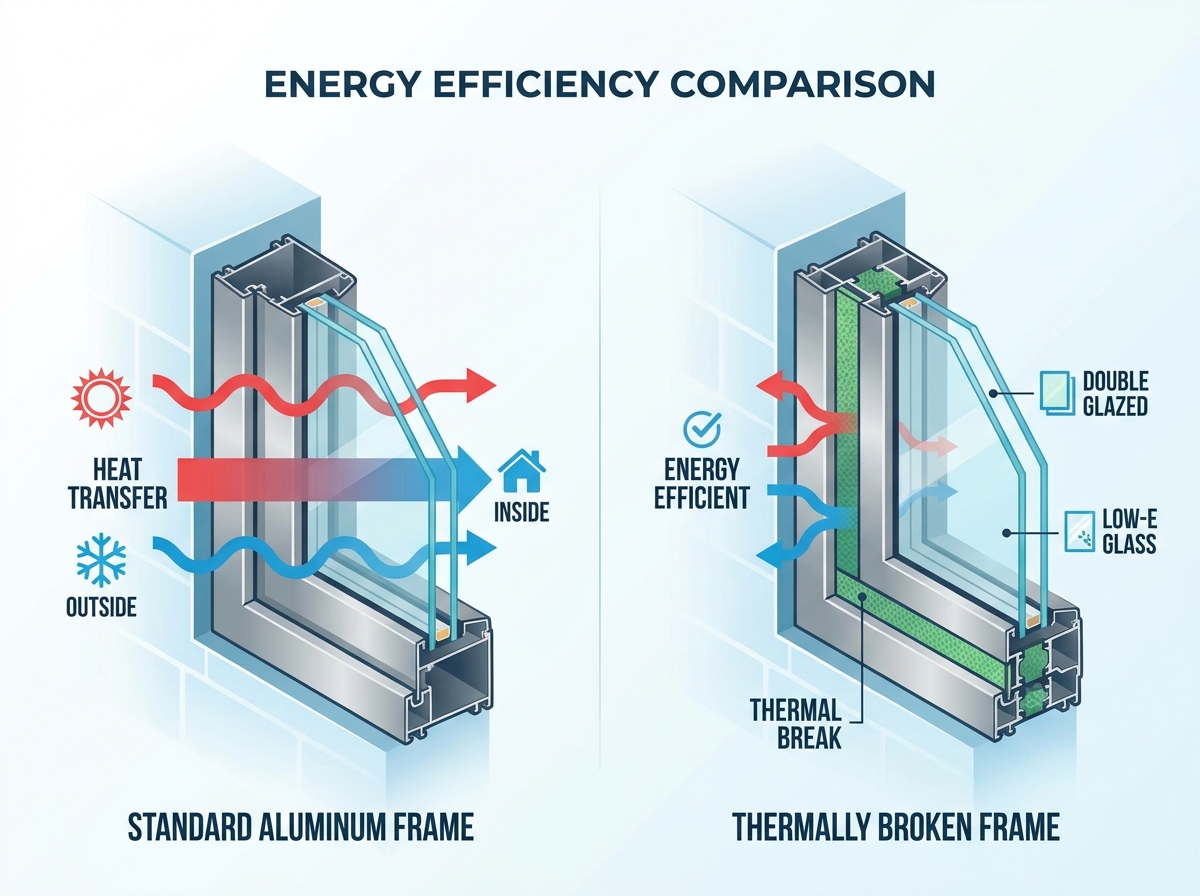
To appreciate the value of this technology, you first need to understand how standard metal frames fail on the job site. Aluminum is a highly conductive material. In winter, a standard aluminum frame pulls the cold from outside directly into your living room. In summer, it absorbs solar heat and radiates it indoors. We call this physical process thermal bridging. It defeats the purpose of having insulated walls or high-quality glass. The frame itself acts as a highway for energy loss.
A thermal break interrupts this highway. Manufacturers split the aluminum frame into two separate interior and exterior sections. They then join these sections using a continuous structural insulator. We typically see reinforced polyamide or polyurethane used for this strut. This non-conductive barrier physically separates the outside metal from the inside metal. The result is a frame that retains the immense structural strength of aluminum but behaves like an insulator.
During installation, we notice how these frames handle structural loads differently. The polyamide strut is mechanically crimped into the aluminum extrusions. This creates a composite profile that resists shear forces while stopping heat transfer. The extrusion process allows for complex internal webbing. This webbing adds strength without adding bulk. The thermal strut itself undergoes rigorous testing to ensure it won't degrade under UV exposure or extreme temperature fluctuations.
However, the frame is only one part of the assembly. The glass makes up the vast majority of the surface area. To achieve maximum energy efficiency, a thermally broken frame must work in synergy with the glazing. Installing double glazed aluminum windows creates an insulating airspace filled with inert gas. We usually use argon, which drastically slows heat transfer. Furthermore, specifying Low-E glass windows ensures that microscopic metallic coatings reflect interior heat back into the room during winter. These same coatings bounce solar radiation away during summer.
When we frame out large custom homes, the structural integrity of the window unit dictates the rough opening requirements. Thermally broken profiles maintain the rigidity needed for massive spans. We rely on this stability when installing multi-panel sliding doors or massive picture windows. The expansion and contraction rates of the aluminum and the polyamide strut are nearly identical. This prevents the frame from warping or breaking its weather seals over time.
Upgrading your home's fenestration goes far beyond checking a box for building codes. The functional improvements directly impact daily living conditions and the overall health of the building envelope.
The most immediate benefit is a significant reduction in energy consumption. By minimizing the workload on your heating and cooling systems during extreme weather, these windows lower operational utility demands. The thermal barrier keeps the interior surface of the frame close to the ambient room temperature. You no longer feel a cold draft radiating from the window perimeter when you walk past it in January.
This temperature stabilization provides critical condensation control. When warm, moist indoor air hits a cold surface like a standard metal frame, water droplets form. Over time, this pooling water damages drywall, rots wooden sills, and creates the perfect breeding ground for toxic black mold. Upgrading to thermal break windows eliminates this cold interior surface. They effectively stop condensation before it starts and protect your indoor air quality.
Acoustic insulation is another major advantage. The multi-layer construction of the polyamide strut, combined with the dense metal and insulated glass units, disrupts sound waves. If you live near a busy street, an airport, or a noisy neighborhood, this setup significantly dampens external environmental and traffic noise. It creates a quieter, more peaceful interior environment for your family.
We also see unmatched structural strength for large openings. Modern design often calls for massive floor-to-ceiling glass panels. Wood can warp under the weight. Vinyl lacks the rigidity to support heavy glass without relying on thick, bulky profiles. Thermally broken aluminum leverages the inherent strength of the metal. It allows for ultra-slim sightlines and massive glass expanses without compromising on thermal integrity or structural safety.
Let's look at wind load resistance. In coastal areas or high-altitude builds, windows face immense pressure from high winds. The structural composite of a thermally broken frame resists deflection. Deflection occurs when the wind bows the window frame inward. Excessive deflection breaks the glass seals, leading to argon gas leakage and fogging between the panes. The rigid nature of these advanced aluminum frames prevents this deflection. Your glass units remain sealed and functional for decades.
Fire resistance also plays a role in material selection. Aluminum does not burn. While the internal polyamide strut will melt at extreme temperatures, the exterior and interior aluminum extrusions remain intact much longer than vinyl or wood frames. This provides an added layer of safety in fire-prone regions.
Evaluating window materials requires looking at how they perform in real-world conditions over decades. Let's compare thermally broken frames against the most common alternatives on the market.
Standard aluminum is still used in milder climates where temperature fluctuations are minimal. It offers the same slim profiles and durability but fails completely in energy performance. In extreme hot or cold zones, standard aluminum guarantees high heat transfer and severe frame condensation. Thermally broken frames solve these exact performance gaps. They are essential for any region that experiences real winters or scorching summers.
When we tear out old standard aluminum windows, we often find extensive water damage in the surrounding framing. The constant condensation on the uninsulated metal drips down into the sill plate. This rots the wood and attracts pests. Upgrading to a thermally broken system stops this destructive cycle entirely.
Unplasticized Polyvinyl Chloride (uPVC) is a popular, highly insulating material. However, it has significant structural limitations. To support the weight of double or triple glazing, uPVC frames must be manufactured with thick, bulky profiles. This reduces the visible glass area and blocks natural light. Aluminum offers a sleek, slimline aesthetic.
Furthermore, uPVC can degrade, discolor, or warp under intense UV exposure over time. Powder-coated aluminum offers superior UV resistance, structural stability for large-scale architectural projects, and a longer overall lifespan. In commercial and high-end residential construction, architects rarely specify uPVC for oversized openings. The material simply flexes too much. When you need a sliding door that spans twenty feet, thermally broken aluminum is the only logical choice. It handles the weight of the insulated glass units without sagging or binding on the tracks.
| Performance Metric | Standard Aluminum | uPVC (Vinyl) | Thermally Broken Aluminum |
|---|---|---|---|
| Thermal Insulation | Poor | Excellent | Excellent |
| Frame Profile Thickness | Ultra-Slim | Bulky / Thick | Ultra-Slim |
| Structural Rigidity | High | Low to Moderate | Very High |
| Condensation Resistance | Very Low | High | High |
| UV Resistance & Lifespan | Excellent | Moderate (Prone to fading) | Excellent |
The initial investment for thermally broken frames is undeniably higher than standard aluminum or basic vinyl. Navigating this premium requires looking at the long-term return on investment. The upfront cost is offset over time through sustained reductions in monthly heating and cooling bills. Because the HVAC system runs less frequently, you also extend the lifespan of your mechanical equipment. This delays expensive replacements for furnaces and air conditioning units.
Value retention is a critical factor for homeowners. Premium architectural aluminum windows significantly increase home resale value. Modern buyers are increasingly energy-conscious and visually driven. A home outfitted with sleek, high-performance fenestration stands out in the real estate market. It often commands a higher selling price compared to homes with aging, inefficient, or bulky vinyl windows.
Maintenance and lifespan further tip the scales. Wood windows require regular sanding, painting, and sealing to prevent rot. uPVC can become brittle and fade. Powder-coated or anodized thermally broken aluminum requires virtually no maintenance beyond basic cleaning with soap and water. The finish resists scratching, corrosion, and fading. This ensures the windows look brand new and operate smoothly for decades.
We also factor in the reduction of interior fading. When you pair these frames with high-quality glazing, you block the majority of harmful UV rays. This protects your hardwood floors, furniture, and artwork from sun damage. The savings from not having to replace sun-bleached interior finishes add up significantly over the life of the home.
When selecting windows for an energy-efficient home, you must look past the marketing brochures. Evaluate the hard technical specifications. These metrics determine exactly how the unit will perform once installed on the job site.
Thermally broken aluminum windows successfully bridge the gap between architectural beauty and rigorous energy compliance. They eliminate the traditional drawbacks of metal frames while preserving the strength needed for modern, light-filled designs. For builders and homeowners focused on sustainability, comfort, and long-term durability, this technology is a necessary upgrade rather than an optional luxury.
To ensure your project succeeds, follow these next steps:
A: With proper installation and basic cleaning, these windows can easily last 30 to 40 years. The powder-coated or anodized finishes resist corrosion, and the structural polyamide thermal breaks do not degrade over time.
A: It is highly discouraged. Standard aluminum conducts cold rapidly, leading to severe drafts, high heating bills, and heavy condensation on the interior frames. This condensation often causes mold and structural water damage.
A: They are slightly deeper to accommodate the thermal strut, but they maintain the same ultra-slim sightlines from the front view. You still get the minimalist, modern aesthetic associated with standard aluminum.
A: Yes. The combination of the dense metal frame, the distinct material of the thermal break, and double or triple glazing significantly disrupts sound wave transmission. This reduces exterior noise pollution effectively.
A: Yes. Filling the airspace between the glass panes with argon gas greatly improves the window's overall insulation performance compared to standard air. It maximizes the efficiency of the thermally broken frame.
A: No. Unlike wood, they do not need painting or sealing. Simply wash the frames periodically with mild soap and water. Keep the hardware tracks clear of dirt and debris to ensure smooth operation.


