
Views: 0 Author: Site Editor Publish Time: 2026-07-29 Origin: Site


When homeowners and architects begin the process of selecting the ideal fenestration solutions for a new build or a renovation project, the debate between different materials often takes center stage. Among the most discussed options, the comparison between vinyl and aluminum windows remains a critical point of analysis, particularly when evaluating long-term energy efficiency, structural integrity, and aesthetic appeal. Historically, the conversation surrounding energy conservation heavily favored vinyl due to its natural insulating properties. However, advancements in manufacturing and materials science have revolutionized the industry. Today, high-performance aluminum windows offer incredible thermal resistance, rivaling and often surpassing traditional alternatives. By understanding the intricate details of thermal breaks, glazing technologies, and structural design, property owners can make highly informed decisions that enhance both the comfort and the value of their spaces.
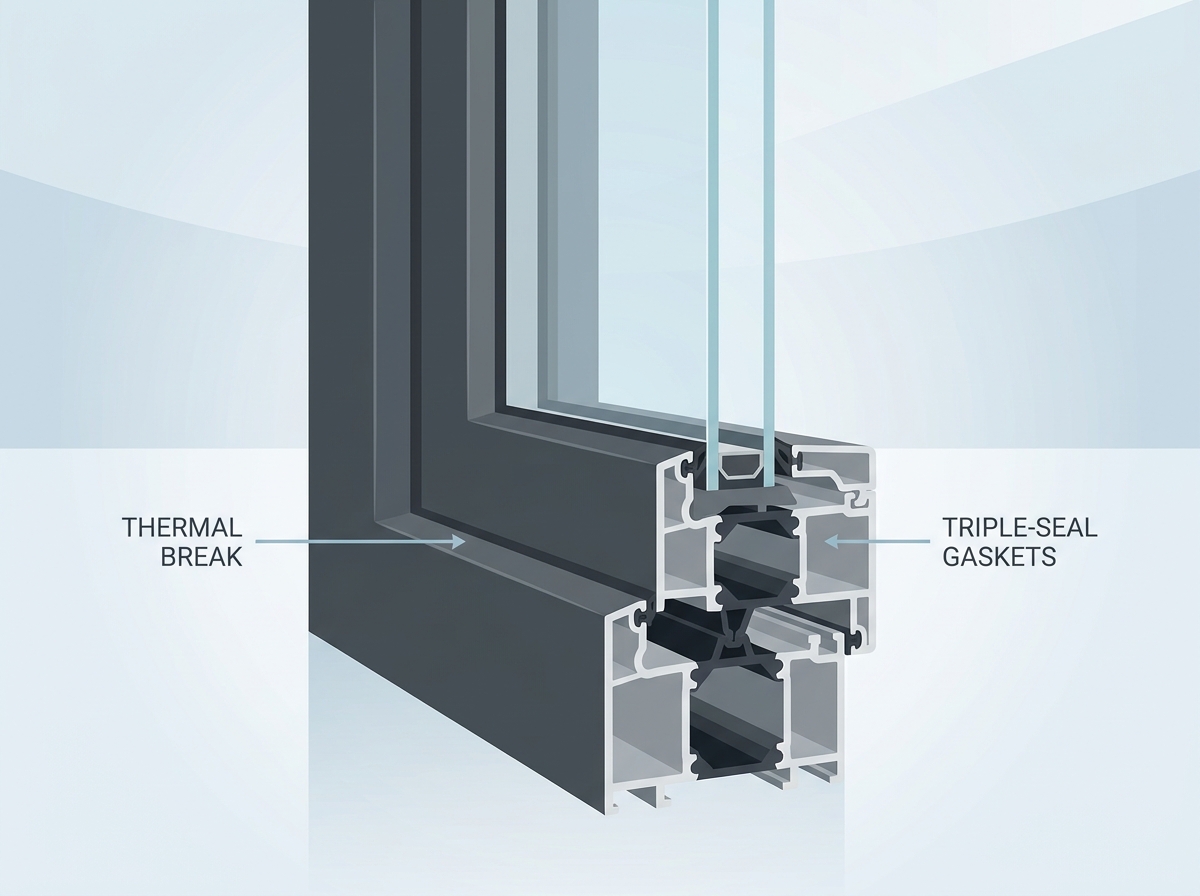
For decades, standard aluminum frames were known for their strength and durability but were often criticized for their high thermal conductivity. Metal is a natural conductor of heat, meaning that older aluminum frames would easily transfer the cold winter air or the hot summer heat directly into the interior of a building. This led to a surge in the popularity of vinyl, which is a plastic compound that naturally resists heat transfer. However, the architectural demand for sleek, narrow sightlines and expansive glass panels kept aluminum in high demand. To bridge the gap between structural necessity and energy conservation, engineers developed thermal break technology. This innovation completely transformed the landscape of fenestration, allowing manufacturers to create custom aluminum windows that meet rigorous modern energy codes without sacrificing the minimalist aesthetics that contemporary designers crave.
A thermal break is essentially a continuous barrier of low-conductive material, often a polyamide strut, that is mechanically locked between the inner and outer aluminum profiles of the window frame. This barrier interrupts the direct transmission of thermal energy through the metal. When combined with advanced weatherstripping and high-quality glazing, thermally broken frames provide exceptional insulation. This technological leap means that property owners no longer have to choose between the robust, low-maintenance longevity of metal and the insulating properties previously associated only with non-metallic materials.
While energy efficiency is a primary concern, the structural integrity of the window frame plays a direct role in maintaining that efficiency over time. Vinyl windows are susceptible to expansion and contraction when exposed to extreme temperature fluctuations. Over the years, this thermal cycling can cause the vinyl frames to warp, bow, or lose their shape. When a window frame warps, the seals between the sash and the frame can fail, leading to air drafts and water infiltration. This degradation completely undermines the initial energy efficiency of the window. In contrast, aluminum boasts an incredibly high strength-to-weight ratio and a much lower coefficient of thermal expansion. It remains dimensionally stable across a wide range of temperatures, ensuring that the weather seals remain tight and effective year after year.
This structural rigidity is particularly important for large window expanses. Modern architecture often calls for floor-to-ceiling glass to maximize natural light and blur the lines between indoor and outdoor living spaces. Vinyl frames typically require bulky profiles or internal steel reinforcements to support the heavy weight of large, multi-pane glass units. Aluminum, on the other hand, can easily support heavy glass loads with remarkably slim profiles. This allows for a higher glass-to-frame ratio, providing unobstructed views and a clean, contemporary appearance.
To truly understand the energy efficiency capabilities of modern fenestration, one must look beyond the frame material alone and consider the entire window system. The glass, the spacers, the gas fills, and the sealing mechanisms all work in concert to determine the overall thermal performance. High-quality energy efficient aluminum windows are engineered as comprehensive systems designed to minimize heat transfer through conduction, convection, and radiation.
Conduction is the transfer of heat through solid materials. As mentioned earlier, thermal breaks mitigate conduction through the aluminum frame. Convection is the transfer of heat through the movement of air or gas. To reduce convective heat transfer, manufacturers utilize multiple panes of glass separated by insulating spacers. The spaces between the glass panes are often filled with inert gases, such as Argon, which are denser than air and further reduce thermal transfer. Radiation is the transfer of heat through electromagnetic waves, such as the sun's infrared energy. Low-Emissivity (Low-E) coatings are applied to the glass surfaces to reflect radiant heat. In the summer, Low-E coatings reflect the sun's heat away from the building, keeping the interior cool. In the winter, they reflect the interior heating back into the room, preventing it from escaping through the glass.
The specific components utilized in the construction of the window are critical to its performance. For instance, DAW Casement Windows are constructed using 6063-T5 Thermal Break Aluminum Alloy. This specific alloy provides an optimal balance of strength, corrosion resistance, and thermal performance. To maximize energy efficiency and acoustic insulation, these windows offer extensive glass options, including Double or Triple Glazing, Low-E coatings, Argon-filled cavities, and Tempered glass for safety. The combination of triple glazing and Low-E coatings significantly lowers the U-factor of the window, indicating superior insulation capabilities.
Beyond the glass and the frame, the sealing mechanisms are vital for preventing air leakage. Drafts not only compromise comfort but also force HVAC systems to work harder, increasing energy consumption. DAW Casement Windows utilize a sophisticated compression seal system combined with triple-seal EPDM gaskets. EPDM (Ethylene Propylene Diene Monomer) is a highly durable synthetic rubber that resists weathering, ozone, and UV exposure. The triple-seal design ensures a watertight and airtight barrier, providing exceptional weather resistance even in harsh climates.
One of the most significant advantages of choosing modern aluminum windows over vinyl is the unparalleled flexibility in design and finishing. Vinyl windows are typically limited to a few standard colors, usually white or beige. While some manufacturers offer painted or foiled vinyl, darker colors can absorb excessive solar heat, exacerbating the expansion and contraction issues mentioned earlier. Aluminum, however, can be finished in virtually any color without compromising its structural integrity.
The finishing processes for aluminum, such as powder coating and anodizing, create highly durable surfaces that resist fading, chalking, and scratching. DAW Casement Windows are available in a wide array of colors to suit any architectural style, including Matte Black, Anthracite Grey, Classic White, and custom RAL colors. For those who desire the warmth of traditional materials with the performance of metal, wood grain finishes are also available. This level of customization allows architects and homeowners to perfectly match the windows to the exterior facade and the interior decor.
The operational style of a window also impacts its energy efficiency and functionality. Casement windows, which are hinged at the side and open outward like a door, are widely considered one of the most energy-efficient operable window styles. When the wind blows against a closed casement window, it actually presses the sash tighter against the weatherstripping, enhancing the seal. Sliding windows or double-hung windows, while popular, rely on sliding seals that can wear down over time and are generally more prone to air leakage.
DAW Casement Windows operate via smooth crank handles or manual push-out mechanisms, providing ease of use and precise control over ventilation. They are available in various configurations, including single, double/French, and push-out styles. A notable design feature of the French configuration is the absence of a center meeting rail, which provides sweeping, unobstructed views when both sashes are open. The standard opening type is outswing (left or right hinged), which is ideal for maximizing interior space, though inswing configurations are available upon request to accommodate specific architectural requirements.
While thermal insulation is a primary focus, acoustic insulation is equally important for creating a comfortable indoor environment, especially in urban areas or near busy roadways. The same technologies that prevent heat transfer—such as heavy thermal break frames, triple glazing, and tight EPDM gaskets—also excel at blocking sound waves. DAW Casement Windows achieve an impressive Sound Transmission Class (STC) rating of up to 40-45 dB. This level of sound insulation significantly reduces exterior noise pollution, ensuring a quiet and peaceful interior.
Security is another critical consideration for any property owner. Windows are often perceived as vulnerable entry points. To address this, high-quality aluminum windows incorporate advanced locking mechanisms. DAW Casement Windows feature a robust multi-point locking system. Unlike a standard single-point lock, a multi-point system secures the window sash to the frame at several different points simultaneously with the turn of a single handle. This not only provides enhanced security against forced entry but also ensures that the sash is pulled tightly and evenly against the weather seals, further improving energy efficiency and weather resistance.
The versatility and performance of advanced aluminum casement windows make them suitable for a wide variety of applications throughout a home or commercial building. Because they are highly resistant to moisture and do not warp or rot, they are excellent choices for areas with high humidity. DAW Casement Windows are perfectly suited for kitchens, bathrooms, living rooms, bedrooms, and are particularly convenient for installation above sinks or countertops where the crank mechanism allows for easy one-handed operation without having to lean over the counter.
When investing in building materials, it is crucial to verify that the products meet rigorous industry standards for performance and quality. Independent testing and certification provide assurance that the windows will perform as advertised. DAW Casement Windows are manufactured under strict quality control processes and are certified to multiple international standards, including AS2047, CE, NFRC, and ISO9001. These certifications validate the product's structural adequacy, water penetration resistance, air infiltration rates, and overall thermal performance.
When comparing the lifecycle costs of different window materials, maintenance requirements play a significant role. Vinyl windows are often marketed as low maintenance, and while they do not require painting, they can be difficult to clean once the surface begins to degrade or attract dirt. Furthermore, if a vinyl frame cracks or warps, it generally cannot be repaired and must be entirely replaced.
Aluminum frames are exceptionally low maintenance. The powder-coated or anodized finishes are highly resistant to dirt accumulation and can be easily cleaned with mild soap and water. Aluminum does not rust, rot, or support the growth of mold and mildew. If a component of the hardware requires replacement, it can typically be swapped out without needing to replace the entire window unit. Additionally, aluminum is a highly sustainable material. It is 100% recyclable, and the recycling process requires only a fraction of the energy used to produce primary aluminum. This makes aluminum windows an environmentally responsible choice for green building projects.
To further tailor the windows to specific needs, various accessories can be integrated into the design. Insect screens are essential for allowing fresh air ventilation while keeping pests out. DAW Casement Windows are customizable with high-quality fiberglass or stainless steel mesh screens. Stainless steel mesh offers superior durability and resistance to tearing, making it an excellent option for homes with pets. Additionally, for traditional or historical architectural styles, decorative grilles can be added to the glass to simulate the look of divided light panes, adding character without sacrificing the energy efficiency of a single, continuous insulated glass unit.
The decision between vinyl and aluminum ultimately depends on the specific priorities of the project. While vinyl may offer a lower initial purchase price, the long-term benefits of thermally broken aluminum—including superior structural stability, narrower sightlines, extensive color customization, enhanced security, and exceptional durability—often provide a higher return on investment. By selecting a high-performance system, property owners ensure that their building envelope remains highly efficient, secure, and visually stunning for decades to come.
DAW Casement Windows represent a premium fenestration solution that masterfully combines the structural strength of 6063-T5 Thermal Break Aluminum Alloy with advanced insulation technologies, making them an exceptional choice for modern energy-efficient construction. With features like a multi-point locking system for enhanced security, triple-seal EPDM gaskets for superior weather resistance, and an STC rating of up to 40-45 dB for excellent sound reduction, these windows deliver outstanding comfort and peace of mind. The availability of double or triple glazing, Low-E coatings, and Argon-filled glass ensures optimal thermal performance, while the elegant design—free of a center meeting rail and available in versatile configurations and colors—provides unobstructed views and seamless integration into kitchens, bathrooms, living rooms, and bedrooms. Backed by AS2047, CE, NFRC, and ISO9001 certifications, they offer a highly reliable, customizable, and durable investment for discerning homeowners and architects.


