
Views: 0 Author: Site Editor Publish Time: 2026-08-28 Origin: Site


When architects, builders, and homeowners evaluate materials for new construction or comprehensive renovation projects, the debate between aluminum windows and doors and vinyl systems frequently takes center stage. Both materials have evolved significantly over the past few decades, offering distinct advantages depending on the specific requirements of the building. Historically, vinyl was championed for its low cost and inherent insulating properties, while older metal frames were criticized for thermal bridging and condensation issues. However, advancements in engineering and material science have completely transformed the landscape of modern fenestration. Today, high-quality metal frames offer unparalleled structural integrity, expansive glass-to-frame ratios, and sophisticated thermal management systems that rival or exceed the performance of premium vinyl alternatives. Understanding the nuanced differences in structural capacity, energy efficiency, acoustic performance, and long-term durability is essential for making an informed decision that aligns with the architectural vision and environmental demands of a project.
The choice between these two dominant materials extends far beyond mere aesthetics. It dictates the maximum permissible size of the glass panels, the building's resilience against extreme weather events, the ongoing maintenance requirements, and the overall lifecycle cost of the building envelope. While vinyl remains a popular choice for budget-conscious residential replacements, the demands of contemporary architecture—which heavily favors massive, uninterrupted views and minimalist profiles—increasingly point toward metal solutions. This comprehensive analysis will explore the fundamental differences between these systems, examining how modern engineering has addressed past limitations and why certain applications absolutely require the robust characteristics of extruded metal. By delving into the specific material properties, manufacturing processes, and real-world performance metrics, we can establish a clear framework for selecting the optimal fenestration system for any given environment.
The trajectory of aluminum windows and doors in architectural applications is a testament to continuous industrial innovation. In the mid-twentieth century, metal frames became highly popular in commercial construction due to their strength and resistance to rot, warping, and insect damage. However, these early iterations suffered from a critical flaw: metal is a highly efficient conductor of heat. In cold climates, this meant that the interior surface of the frame would become freezing cold, leading to severe condensation, frost buildup, and significant energy loss. Conversely, in hot climates, the frames would transfer intense solar heat into the building, overwhelming air conditioning systems. These thermal inefficiencies allowed vinyl, a naturally insulating plastic (polyvinyl chloride), to capture a massive share of the residential market during the energy crises of the 1970s and 1980s.
Despite these early setbacks, the inherent structural advantages of metal were too significant to abandon. Engineers and material scientists embarked on a decades-long mission to solve the thermal conductivity problem without compromising the material's strength. The breakthrough came with the development of the thermal break—a continuous barrier of low-conductive material, typically polyamide or polyurethane, strategically placed between the interior and exterior metal extrusions. This innovation effectively severed the thermal bridge, preventing the transfer of heat and cold through the frame. Suddenly, metal frames could offer energy performance that rivaled or surpassed vinyl, while maintaining the ability to support massive, heavy panes of multi-layer glass. This technological leap paved the way for the minimalist, glass-heavy designs that define contemporary architecture today.
The transformation of aluminum windows and doors from simple commercial fixtures to high-performance architectural elements is rooted in advanced material science. Modern systems do not use pure, soft metal; instead, they rely on highly engineered alloys designed for specific structural and environmental demands. For example, the DAW Aluminium Fixed Window utilizes Grade 6063-T5 Thermal Break Aluminum. The 6063 alloy is specifically formulated for architectural extrusions, offering an exceptional balance of tensile strength, surface finish quality, and corrosion resistance. The "T5" designation indicates a specific tempering process where the metal is cooled from an elevated temperature shaping process and then artificially aged. This precise thermal treatment aligns the crystalline structure of the alloy, significantly enhancing its mechanical properties and ensuring it can withstand immense environmental stresses without deforming.
Furthermore, the integration of the thermal break itself is a marvel of modern manufacturing. The polyamide struts used in high-end systems like the DAW Aluminium Fixed Window are mechanically crimped into the extruded metal profiles under immense pressure. This creates a composite frame that acts as a single structural unit while maintaining distinct thermal zones. The coefficient of linear thermal expansion for these specific polyamide materials is carefully matched to that of the metal alloy, ensuring that the frame expands and contracts uniformly under temperature fluctuations. This prevents the thermal break from shearing or degrading over time, a crucial factor in maintaining the long-term airtightness and energy efficiency of the building envelope. By mastering these complex material interactions, manufacturers have elevated metal fenestration to the pinnacle of architectural performance.
When comparing the structural integrity of metal and vinyl systems, the differences are stark and fundamentally dictate the design possibilities of a project. Vinyl, by its chemical nature, is a flexible polymer. While manufacturers add impact modifiers and sometimes reinforce the hollow chambers with steel or aluminum stiffeners, the primary material remains susceptible to deflection under heavy loads. This inherent flexibility severely limits the maximum size of vinyl frames. If a vinyl frame is manufactured too large, the weight of the insulated glass unit (IGU) can cause the bottom sill to sag, leading to seal failure, operational difficulties, and eventual structural compromise. Additionally, vinyl has a high coefficient of thermal expansion, meaning it expands and contracts significantly with temperature changes. Over time, this constant movement can stress the welded corners and compromise the weather seals.
In contrast, extruded architectural metal offers unparalleled rigidity and load-bearing capacity. The exceptional strength-to-weight ratio of alloys like Grade 6063-T5 allows manufacturers to design frames with incredibly narrow sightlines that can still support massive expanses of heavy, multi-pane glass. This structural superiority is why metal is the undisputed choice for commercial storefronts, high-rise curtain walls, and luxury residential projects demanding floor-to-ceiling views. The rigidity of the frame ensures that the glass remains perfectly supported, preventing the micro-movements that lead to premature IGU seal failure. Furthermore, metal's low coefficient of thermal expansion means the frames remain dimensionally stable across extreme temperature variations, ensuring consistent performance and longevity even in the most demanding climates.
The structural disparity between vinyl and metal becomes critically important in environments subject to severe weather, particularly high wind loads and coastal storms. Vinyl frames, especially those without heavy internal reinforcement, can bow or flex under intense wind pressure. This deflection can break the airtight seal between the sash and the frame, allowing water infiltration, or in extreme cases, causing the glass to blow out entirely. For buildings in hurricane zones or high-altitude locations, the structural limitations of standard vinyl often disqualify it from consideration.
Conversely, engineered metal systems are designed to withstand extraordinary environmental forces. The DAW Aluminium Fixed Window, for instance, features structural glazing engineered to withstand high wind pressures, achieving a Level 5+ wind pressure resistance rating. This makes it exceptionally suitable for high-rise buildings where wind loads increase exponentially with elevation, as well as coastal areas prone to severe storms and hurricanes. The combination of the rigid Grade 6063-T5 frame and advanced structural silicone glazing techniques ensures that the glass and frame act as a cohesive, impenetrable barrier against the elements. The permanently glazed design eliminates air infiltration and prevents drafts entirely, providing a level of weatherproofing that flexible polymer frames simply cannot match under extreme stress.
The historical critique of metal frames centered entirely on their poor thermal performance. Before the widespread adoption of thermal break technology, metal frames were notorious energy sieves. However, the modern fenestration industry has completely neutralized this disadvantage. Today, the energy efficiency of a window or door system is primarily determined by the quality of the thermal break and the specifications of the insulated glass unit, rather than the base material of the frame alone. While vinyl is a natural insulator, its structural limitations often require thicker, bulkier frames, which reduces the overall glass area. Since advanced glass technologies can actually insulate better than the frame itself, maximizing the glass-to-frame ratio is a key strategy for improving overall thermal performance.
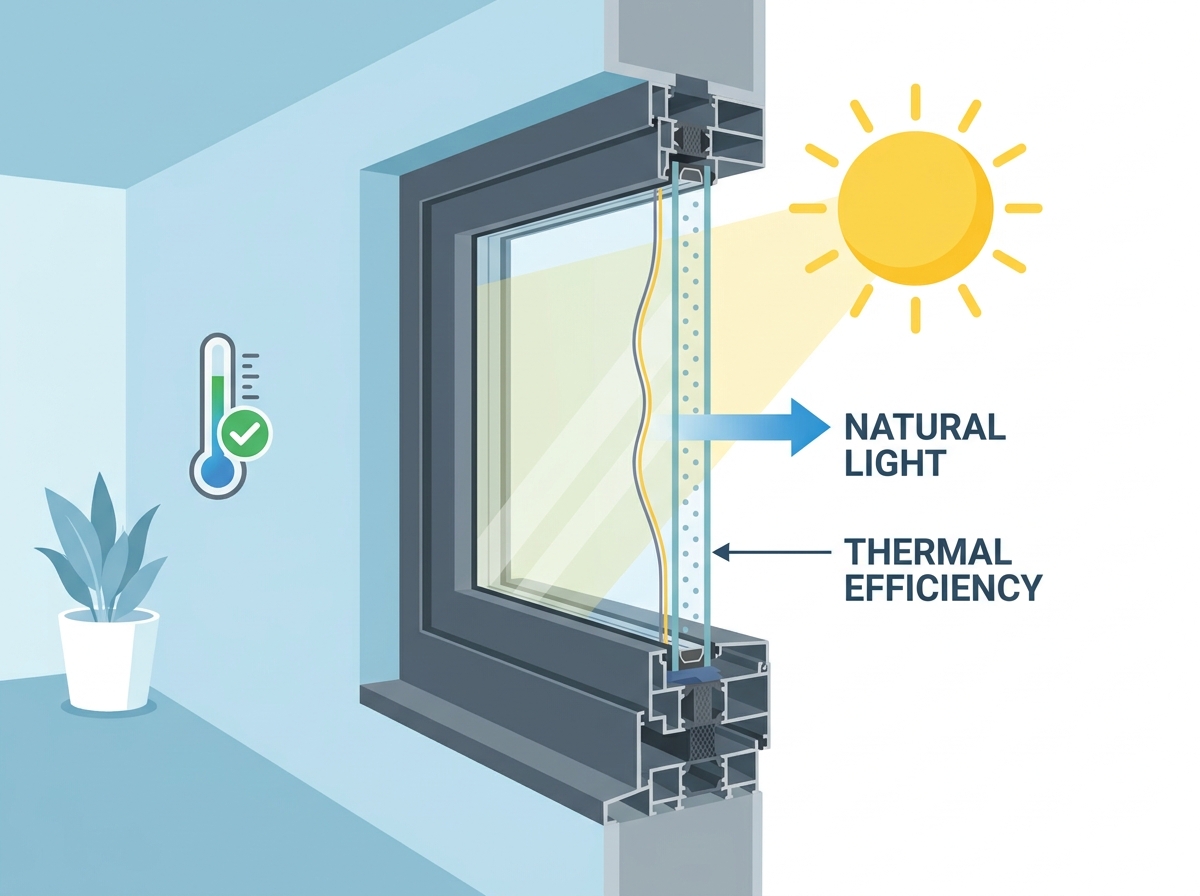
Modern thermal break windows utilize highly sophisticated internal geometries to disrupt heat transfer. The polyamide struts not only separate the interior and exterior metal extrusions but also create internal chambers that can be filled with specialized insulating foams. When combined with high-performance glazing, these systems achieve exceptional U-values and Solar Heat Gain Coefficients (SHGC). The DAW Aluminium Fixed Window exemplifies this synergy by pairing its thermally broken frame with High-Performance Low-E glass and Argon gas fills. The Low-E (low-emissivity) coating reflects interior heat back into the room during winter and blocks exterior solar radiation during summer, while the dense Argon gas minimizes convective heat transfer between the glass panes. Together, these technologies work seamlessly to maintain stable indoor temperatures, significantly reducing the reliance on artificial heating and cooling systems.
The structural strength of metal frames allows for the integration of heavier, more complex glazing packages that would overwhelm standard vinyl systems. Because metal does not warp or sag under extreme weight, architects can specify thick, multi-layered glass configurations designed for highly specific environmental or security requirements. The DAW Aluminium Fixed Window supports a wide array of glass types, including Double or Triple Tempered Glass, Laminated glass, and Tinted options. Tempered glass provides enhanced safety by shattering into small, blunt pieces rather than dangerous shards upon impact, while laminated glass utilizes a tough plastic interlayer that holds the glass together even when broken, offering superior security and UV protection.
The ability to support triple glazing is particularly crucial in extreme climates. Triple-pane units, which feature three layers of glass and two gas-filled cavities, offer the highest level of thermal insulation available. However, they are incredibly heavy. Vinyl frames often require significant, bulky reinforcement to handle triple glazing, which compromises the aesthetic appeal of the window. Metal frames, on the other hand, can easily support the weight of triple-pane units while maintaining the sleek, slim profiles demanded by modern design. This capacity for advanced glazing customization ensures that metal systems can be tailored to meet the most stringent energy codes and performance standards in the world.
To fully understand the capabilities of modern metal fenestration, it is instructive to examine a specific, highly engineered product. The DAW Aluminium Fixed Window represents a pinnacle of contemporary design and manufacturing, tailored for applications where structural integrity, aesthetic minimalism, and uncompromising weather resistance are paramount. As a permanently glazed unit, it is designed for spaces where natural light and expansive views are required, but active ventilation is not. Because it lacks moving parts, hinges, or operable sashes, it provides an uninterrupted, airtight seal that completely eliminates air infiltration and prevents drafts, ensuring maximum energy efficiency and indoor comfort.
The product identity of the DAW Aluminium Fixed Window is defined by its robust construction and minimalist aesthetic. The frame is constructed from premium Grade 6063-T5 Thermal Break Aluminum, providing the necessary rigidity to support large expanses of High-Performance Low-E glass filled with Argon gas. This combination of advanced metallurgy and sophisticated glazing technology ensures that the window maintains stable indoor temperatures regardless of exterior weather conditions. Furthermore, the absence of operable components inherently enhances security. Because it lacks moving parts and locking hardware that could be manipulated or forced, the fixed design provides exceptional forced entry resistance, making it an ideal choice for ground-level commercial storefronts or vulnerable residential areas.
The aesthetic appeal of the DAW Aluminium Fixed Window is driven by its slim-frame design, which is specifically engineered to maximize natural light and minimize visual obstructions. In contemporary architecture, the goal is often to blur the boundary between indoor and outdoor spaces, creating a seamless visual transition. Bulky vinyl frames disrupt this aesthetic, drawing the eye to the structural elements rather than the view beyond. The inherent strength of the Grade 6063-T5 aluminum allows DAW to reduce the frame profile to its absolute minimum, resulting in a sleek, unobtrusive border that complements minimalist, industrial, and ultra-modern architectural styles.
This slim-profile versatility makes the DAW Aluminium Fixed Window ideal for a wide range of applications. It is highly suitable for living rooms seeking panoramic views, commercial storefronts requiring maximum product visibility, and modern office buildings aiming for a bright, open-concept environment. Additionally, its structural integrity and permanently glazed design make it an excellent choice for specialized architectural features such as skylights and expansive atriums, where the glass must withstand significant dead loads and environmental exposure without the risk of water infiltration. The integration of these units allows architects to achieve ambitious, light-filled designs without compromising on structural safety or energy performance.
In densely populated urban environments, proximity to highways, or areas near airports, acoustic performance is a critical factor in fenestration selection. Sound transmission through a building envelope occurs primarily through air leaks and the vibration of the glass and frame materials. Because vinyl frames can warp and their weather seals can degrade over time, they often develop micro-leaks that allow significant sound penetration. Furthermore, the lightweight nature of standard vinyl does not provide the mass necessary to effectively block low-frequency noise, such as traffic rumble or heavy machinery.
Metal frames, when properly engineered and installed, offer superior acoustic insulation capabilities. The DAW Aluminium Fixed Window, with its permanently glazed, airtight design, eliminates the air infiltration pathways that commonly transmit sound in operable windows. The rigid Grade 6063-T5 aluminum frame provides substantial mass, which helps to dampen acoustic vibrations. When paired with specialized glazing—such as laminated glass with acoustic interlayers or asymmetrical double glazing where the panes have different thicknesses to disrupt different sound frequencies—the DAW system can achieve exceptional sound insulation ratings of up to 45 dB. It is important to note that achieving this maximum 45 dB rating requires specifying the appropriate specialized glazing package, as the glass configuration plays the most significant role in blocking sound waves. This level of acoustic control is essential for creating quiet, comfortable interior environments in noisy commercial or urban settings.
The demands of high-rise construction present unique challenges that strictly dictate material selection. As a building increases in height, it is subjected to exponentially higher wind loads, greater structural deflection, and more severe weather exposure. Vinyl systems are categorically unsuited for these environments due to their flexibility, high thermal expansion rates, and inability to support the massive wind pressures exerted on the building envelope. In high-rise applications, the fenestration system must act as a structural component of the facade, transferring environmental loads back to the building's primary structure without failing or losing its weatherproof seal.
This is where engineered metal systems excel. The DAW Aluminium Fixed Window utilizes structural glazing techniques specifically engineered to withstand high wind pressures, achieving a Level 5+ resistance rating. In structural glazing, the glass is bonded to the metal frame using high-strength, high-performance silicone sealants rather than traditional mechanical gaskets. This creates a continuous, highly resilient bond that distributes wind loads evenly across the frame, preventing stress concentrations that could lead to glass breakage or seal failure. The robust Grade 6063-T5 Thermal Break Aluminum frame provides the unyielding backbone necessary to support this structural glazing, ensuring the safety, longevity, and performance of the facade even in the most extreme high-altitude environments.
When evaluating long-term building materials, maintenance requirements and lifecycle costs are critical considerations. Vinyl frames are often marketed as "maintenance-free," but they are susceptible to UV degradation over time, which can cause the plastic to become chalky, brittle, or discolored. Once vinyl fades or degrades, it cannot be easily repainted or restored, often necessitating complete replacement. Metal frames, conversely, offer exceptional longevity with minimal upkeep. The DAW Aluminium Fixed Window requires minimal maintenance beyond occasional glass cleaning to maintain its optical clarity and aesthetic appeal.
However, practical considerations regarding maintenance must be acknowledged, particularly in commercial or high-rise applications. For the DAW Aluminium Fixed Window, exterior cleaning on upper floors requires an extension pole squeegee or the hiring of professional exterior cleaning services, as the units cannot be opened from the inside for cleaning access. Furthermore, it is crucial to understand the functional limitations of the product during the specification phase. The DAW Aluminium Fixed Window does not open or provide ventilation. It is designed strictly for daylighting, structural integrity, and thermal/acoustic insulation. In spaces where fresh air circulation is required by building codes or occupant preference, these fixed units must be paired with operable systems (such as awnings or casements) within the broader facade design.
One of the most significant advantages of modern metal frames over vinyl is the sheer breadth of aesthetic customization available. Vinyl frames are typically extruded in solid colors—usually white or beige. While some manufacturers offer painted or foiled vinyl to simulate other colors or wood textures, these surface treatments can peel, scratch, or delaminate over time, exposing the base color beneath. Furthermore, dark-colored vinyl absorbs significant solar heat, which exacerbates the material's tendency to warp and expand, often voiding warranties in hot climates.
Metal extrusions, however, can be finished using advanced industrial processes that create incredibly durable, fade-resistant surfaces in virtually any color or texture imaginable. The DAW Aluminium Fixed Window offers standard finishes that include Powder Coated (RAL Colors), Anodized, and Wood Grain options. Powder coating involves applying a dry, electrostatically charged powder to the metal, which is then cured under high heat to create a hard, seamless, and highly durable finish that resists chipping, scratching, and UV fading. Anodizing is an electrochemical process that thickens the natural oxide layer on the surface of the metal, resulting in a metallic finish that is exceptionally resistant to corrosion and wear—ideal for harsh coastal environments. The Wood Grain finish utilizes a sublimation process to embed realistic timber patterns into a powder-coated base, offering the warm aesthetic of traditional wood without the associated maintenance, rot, or warping issues. This extensive palette allows architects to perfectly match the fenestration to the building's exterior cladding and interior design scheme.
In summary, the DAW Aluminium Fixed Window represents a highly engineered, premium solution for modern architectural applications demanding exceptional structural integrity, expansive natural light, and rigorous environmental resistance. By utilizing Grade 6063-T5 Thermal Break Aluminum, it overcomes historical thermal limitations while providing the strength necessary for Level 5+ wind pressure resistance and structural glazing suitable for high-rise or coastal environments. Its permanently glazed, slim-frame design eliminates drafts, maximizes daylight, and provides inherent forced entry resistance due to the lack of moving parts. While it does not offer ventilation and requires specialized glazing to achieve its maximum 45 dB sound insulation rating, its integration of High-Performance Low-E glass, Argon gas fills, and durable finishes (Powder Coated, Anodized, Wood Grain) ensures minimal maintenance and long-term energy efficiency. This makes it an ideal, high-value choice for living rooms, commercial storefronts, office buildings, skylights, and atriums where uncompromising performance and minimalist aesthetics are required.


