
Views: 0 Author: Site Editor Publish Time: 2026-08-05 Origin: Site


When architects and homeowners begin evaluating fenestration options for new construction or renovation projects, the debate often centers around the long-term durability of different materials. Among the most prominent choices, aluminum window frames consistently emerge as a premier solution for demanding environments. Selecting the right material is not merely a matter of aesthetic preference; it fundamentally impacts the structural integrity, energy efficiency, and maintenance lifecycle of a building. In the comprehensive comparison of building materials, understanding how aluminum stands up against vinyl alternatives provides critical insight into long-term property investment. Vinyl has long been praised for its initial cost-effectiveness, but when subjected to rigorous environmental stressors, the superior resilience of metal alloys becomes undeniable. This detailed exploration will dissect the structural, thermal, and practical differences between these materials, providing a clear perspective on why commercial and high-end residential projects overwhelmingly favor advanced metallic systems.
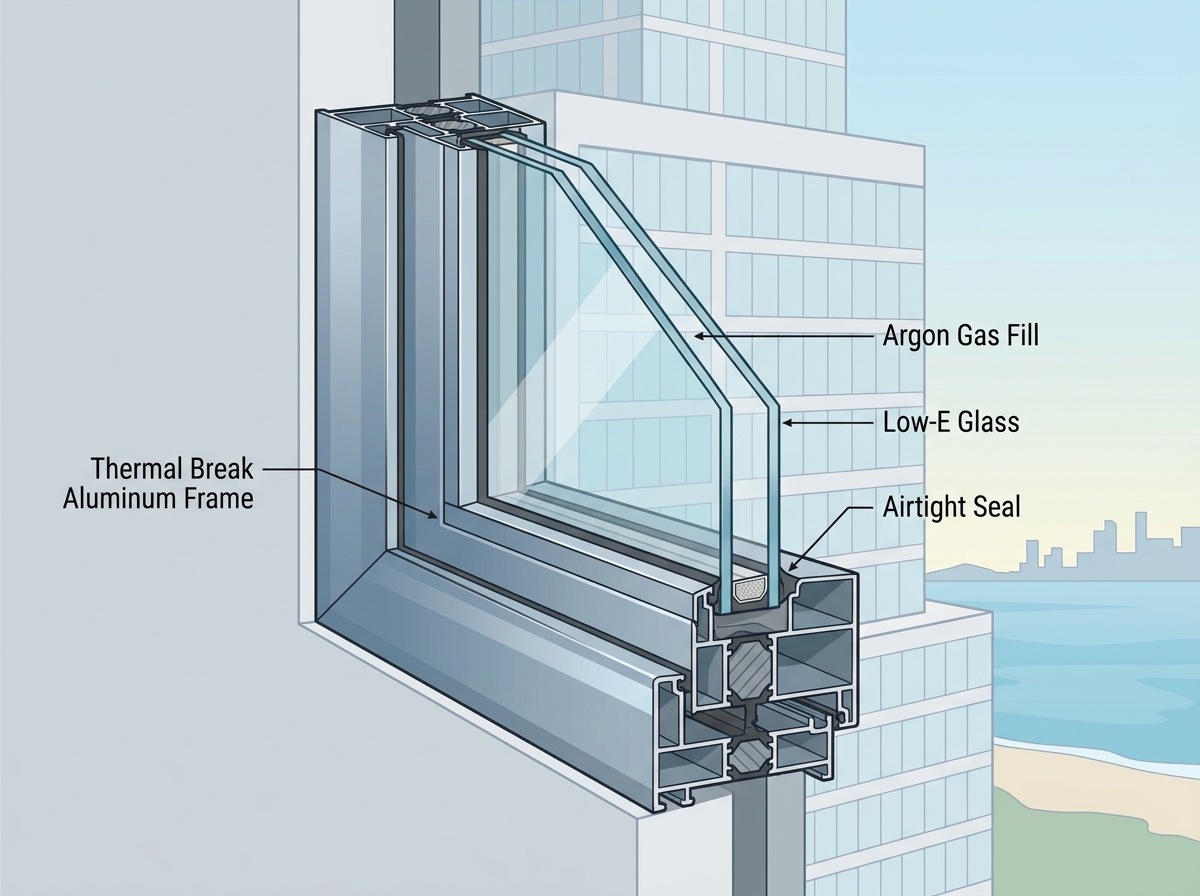
The conversation surrounding window durability requires a deep dive into material science, environmental resistance, and engineering capabilities. Vinyl, primarily composed of polyvinyl chloride (PVC), offers a lightweight and thermally resistant profile that suits many standard residential applications. However, PVC is inherently susceptible to temperature fluctuations, UV degradation, and structural warping over extended periods. Conversely, modern aluminum systems are engineered to withstand extreme conditions without compromising their geometric stability. The integration of advanced manufacturing techniques has transformed traditional metal frames into highly sophisticated architectural elements that bridge the gap between industrial strength and elegant design. As we explore the specific performance metrics of these materials, it becomes evident that for projects requiring expansive glass areas, superior wind resistance, and minimal long-term degradation, metal profiles offer an unmatched advantage.
To fully appreciate the durability differences, one must examine the fundamental characteristics of the materials in question. Polyvinyl chloride is a synthetic plastic polymer that relies on internal chambers and sometimes steel reinforcements to achieve structural rigidity. While these internal chambers help with thermal insulation by trapping air, the plastic itself expands and contracts significantly with temperature changes. Over years of exposure to intense summer heat and freezing winter temperatures, this continuous thermal cycling can lead to seal failures, warped frames, and operational difficulties. The structural limitations of vinyl also restrict the size of the glass panes it can safely support, often necessitating thicker, bulkier frames that obstruct views and reduce natural light transmission.
In stark contrast, aluminum window frames are extruded from high-strength alloys that exhibit minimal thermal expansion. The inherent rigidity of the metal allows manufacturers to create exceptionally slim profiles that can support massive expanses of heavy, multi-pane glass. This structural superiority is particularly crucial in modern architecture, where the seamless integration of indoor and outdoor spaces is highly desired. Furthermore, metal frames do not become brittle in extreme cold, nor do they soften or warp under intense solar radiation. The dimensional stability of aluminum ensures that the airtight seals between the frame and the glass remain intact over decades of use, preventing air infiltration and moisture damage that commonly plague lesser materials.
Another critical aspect of longevity is the material's resistance to environmental degradation. Vinyl frames, particularly those in darker colors, are prone to fading, chalking, and discoloration when exposed to prolonged ultraviolet light. While manufacturers apply UV inhibitors to the PVC compound, these protective measures eventually break down. Aluminum, however, can be finished using advanced techniques such as anodizing or powder coating. These finishing processes create a surface that is incredibly resistant to fading, scratching, and corrosion. Whether exposed to the salty air of a coastal environment or the harsh UV rays of a high-altitude location, properly finished metal frames maintain their pristine appearance and structural integrity with minimal maintenance.
The structural mechanics of aluminum window frames are rooted in the exceptional strength-to-weight ratio of the material. When architects design high-rise buildings or expansive residential facades, they must account for immense wind loads, building sway, and the sheer weight of insulated glass units. Aluminum alloys, specifically architectural grades, possess the tensile strength necessary to resist these forces without bending or buckling. This mechanical advantage allows for the creation of aluminum frame windows that feature ultra-narrow sightlines, maximizing the glazed area and flooding interiors with natural daylight.
Furthermore, the extrusion process used to manufacture metal frames allows for highly complex and precise geometric profiles. These intricate designs can incorporate multiple weather-stripping channels, drainage weep systems, and structural glazing pockets that enhance the overall performance of the fenestration system. The precision of aluminum extrusion ensures that every component fits together with exacting tolerances, creating a robust barrier against the elements. In contrast, the welding process used to join vinyl frame corners can sometimes create weak points or inconsistent seams, compromising the structural integrity and weather resistance of the unit.
The rigidity of aluminum also plays a vital role in security and forced entry resistance. The robust nature of the metal makes it exceedingly difficult for intruders to pry or manipulate the frames. When combined with high-security glazing and multi-point locking systems, metal frames provide a formidable defense against unauthorized access. This inherent strength is a primary reason why commercial storefronts, institutional buildings, and security-conscious homeowners consistently choose metal over plastic alternatives.
When assessing durability, wind pressure resistance is a paramount concern, particularly for structures located in coastal regions, hurricane zones, or high-altitude environments. The ability of a window system to withstand extreme positive and negative wind loads without catastrophic failure or permanent deformation is a critical safety requirement. Aluminum systems excel in this arena due to their high modulus of elasticity. They can absorb and distribute immense kinetic energy from wind gusts while maintaining their structural shape. This resilience ensures that the glass remains securely housed within the frame, preventing dangerous blowouts and maintaining the building's protective envelope during severe weather events.
Vinyl frames, while capable of meeting standard residential building codes, often struggle to achieve the high wind load ratings required for mid-rise and high-rise applications. To compensate for their inherent flexibility, vinyl manufacturers must either increase the bulk of the frame profile or insert heavy steel stiffeners into the internal chambers. Both solutions detract from the aesthetic appeal and thermal efficiency of the window. Aluminum achieves superior wind resistance naturally, allowing for sleek, unobtrusive designs that do not compromise on safety or performance.
Beyond wind resistance, the durability of the glazing seal is paramount. The interface between the glass and the frame is the most vulnerable point for water and air infiltration. Because aluminum expands and contracts at a rate much closer to that of glass compared to vinyl, the stress placed on the structural silicone or glazing gaskets is significantly reduced. This compatibility ensures that the weather-tight seal remains intact over the lifespan of the installation, preventing drafts, water leaks, and the subsequent degradation of interior building materials.
Historically, the primary criticism of aluminum window frames was their poor thermal performance. As a highly conductive metal, traditional aluminum frames acted as thermal bridges, readily transferring heat out of a building during the winter and into the building during the summer. This characteristic often led to condensation issues and increased energy consumption. However, the fenestration industry has revolutionized metal frame design through the implementation of thermal break frames.
A thermal break is a continuous barrier of low-conductive material, typically a polyamide or polyurethane polymer, strategically placed between the interior and exterior aluminum profiles. This structural insulator effectively severs the thermal bridge, drastically reducing the transmission of heat and cold. Modern thermally broken aluminum systems can achieve energy efficiency ratings that rival or exceed those of premium vinyl and wood windows. When paired with advanced glazing technologies, such as low-emissivity coatings and inert gas fills, these systems provide exceptional thermal insulation, contributing to lower HVAC costs and improved indoor comfort.
The durability of the thermal break itself is also a crucial factor. High-quality polyamide struts are engineered to match the structural strength and thermal expansion coefficient of the surrounding aluminum. This ensures that the composite frame acts as a unified structural element, maintaining its integrity under extreme temperature variations and physical stress. The integration of thermal breaks has transformed metal frames from a thermal liability into a high-performance energy-saving solution suitable for the most demanding climates and stringent building codes.
The lifecycle cost of a building component is heavily influenced by its maintenance requirements and overall longevity. Vinyl windows are often marketed as "maintenance-free," which generally means they do not require painting. However, as previously noted, vinyl is susceptible to UV degradation, fading, and chalking. Once a vinyl frame loses its original finish, restoring it is exceedingly difficult, often requiring specialized paints that may peel or flake over time. Furthermore, the hardware components attached to vinyl frames can loosen as the plastic expands and contracts, necessitating periodic adjustments and repairs.
Aluminum systems, conversely, offer true long-term durability with minimal maintenance. The architectural-grade finishes applied to metal frames—such as anodizing or high-performance powder coatings—are chemically bonded to the surface, providing exceptional resistance to scratching, chipping, and fading. Routine maintenance typically involves simple cleaning with mild soap and water to remove surface dirt and environmental pollutants. The structural stability of the metal ensures that hinges, locks, and operating mechanisms remain securely anchored and properly aligned, reducing the need for ongoing adjustments.
From an environmental perspective, aluminum is a highly sustainable material. It is infinitely recyclable without any loss of quality or structural integrity. The recycling process requires only a fraction of the energy needed to produce primary aluminum from bauxite ore, significantly reducing its carbon footprint. At the end of a building's lifecycle, metal frames can be easily reclaimed and repurposed. Vinyl, on the other hand, poses significant recycling challenges due to the complex mixture of PVC, plasticizers, and stabilizers. Much of the vinyl removed from demolished buildings ultimately ends up in landfills, making it a less environmentally responsible choice for sustainable construction projects.
One of the most compelling advantages of aluminum over vinyl is the unparalleled level of customization it offers. Architects and designers are rarely satisfied with off-the-shelf solutions; they require materials that can be tailored to their specific vision. The extrusion process allows for the creation of custom window profiles that can accommodate unique geometric shapes, intricate sightlines, and specialized integration with other building facade systems. This flexibility is essential for creating striking architectural features, such as expansive curtain walls, dramatic skylights, and seamless corner windows.
The finishing options for metal frames are virtually limitless. Powder coating technology allows for exact color matching to any RAL color specification, enabling designers to coordinate the fenestration perfectly with the building's exterior cladding or interior decor. Anodized finishes provide a sleek, metallic appearance that enhances modern, industrial aesthetics. Furthermore, advanced sublimation techniques can even apply realistic wood grain patterns to the metal surface, combining the warm appearance of timber with the uncompromising durability of aluminum. Vinyl frames are typically limited to a small selection of standard colors, and while some manufacturers offer painted or foiled options, these surface treatments lack the robust durability of factory-applied metal finishes.
The ability to customize both the structural profile and the aesthetic finish makes aluminum the material of choice for high-end residential, commercial, and institutional projects. It provides the architectural freedom to push the boundaries of design without sacrificing performance, safety, or long-term durability.
When evaluating specific products that exemplify the durability and performance of advanced metal fenestration, the DAW Aluminium Fixed Window stands out as a premier engineered solution. Designed specifically for environments that demand uncompromising structural integrity and thermal efficiency, this product perfectly illustrates the advantages discussed throughout this analysis. By utilizing Grade 6063-T5 Thermal Break Aluminum, the frame material achieves an optimal balance of tensile strength and thermal resistance, ensuring long-lasting performance in both commercial and residential applications.
The DAW Aluminium Fixed Window is engineered with structural glazing, a technique that allows it to withstand high wind pressures, achieving a Wind Pressure Resistance of Level 5+. This makes the system exceptionally suitable for high-rise buildings and coastal areas prone to severe storms, where structural failure is not an option. The slim-frame design, made possible by the robust 6063-T5 aluminum, maximizes natural light transmission, making it ideal for living rooms, commercial storefronts, office buildings, skylights, and atrium applications. Because the glass is permanently glazed into the frame, it creates an airtight seal that completely prevents air infiltration, contributing significantly to the building's overall energy efficiency.
Thermal performance is further enhanced through the use of High-Performance Low-E glass and Argon gas fills. Buyers can specify Double or Triple Tempered Glass, which can be Laminated or Tinted based on project requirements. A notable advantage of this fixed design is its inherent forced entry resistance; because it lacks moving parts or locking hardware, it provides a highly secure barrier against intrusion. Aesthetically, the product offers extensive customization through standard finishes, including Powder Coated (RAL Colors), Anodized, and Wood Grain options, allowing seamless integration into any architectural style.
While the DAW Aluminium Fixed Window excels in durability and security, it is important to understand its specific application parameters. As a fixed unit, it does not provide ventilation because the windows cannot be opened. This characteristic is intentional, prioritizing absolute weather-tightness, security, and structural strength over operability. For projects located in noisy urban environments or near transportation hubs, the system can be configured to provide exceptional acoustic control. Achieving up to 45 dB sound insulation requires specialized glazing, demonstrating the system's adaptability to specific environmental challenges.
Maintenance considerations for this product are straightforward but require planning based on the installation location. Because the units are fixed and cannot be accessed from the interior for exterior cleaning, upper-floor installations require specific maintenance protocols. Exterior cleaning on upper floors requires a squeegee with an extension pole or the utilization of professional window cleaning services. This is a standard consideration for high-rise and commercial fixed glazing systems, ensuring that the expansive glass areas remain clear and visually striking throughout their lifespan.
The DAW Aluminium Fixed Window represents a highly specialized, exceptionally durable architectural solution. By leveraging Grade 6063-T5 Thermal Break Aluminum, structural glazing for Level 5+ wind resistance, and High-Performance Low-E glass with Argon gas fills, it delivers outstanding thermal insulation and structural integrity. Its permanently glazed, airtight design prevents air infiltration and offers inherent forced entry resistance due to the lack of moving parts. Available in versatile finishes like Powder Coated RAL colors, Anodized, or Wood Grain, and capable of up to 45 dB sound insulation with specialized glazing, it is perfectly suited for high-rise buildings, coastal storm zones, commercial storefronts, and light-maximizing residential spaces, providing a secure, energy-efficient, and visually elegant fenestration option.


