
Views: 0 Author: Site Editor Publish Time: 2026-08-09 Origin: Site


When homeowners and builders consider upgrading their property, the choice of fenestration plays a critical role in both aesthetic appeal and functional performance. Among the most debated topics in residential architecture is the comparison between different window styles and their impact on indoor air quality, natural ventilation, and overall climate control. Specifically, the decision often comes down to evaluating an aluminum sliding window against a traditional casement window for airflow optimization. Proper ventilation is not merely a matter of comfort; it is a fundamental requirement for maintaining a healthy indoor environment, reducing reliance on artificial cooling systems, and managing indoor humidity levels. By understanding the mechanical differences, structural characteristics, and airflow dynamics of these two popular window configurations, property owners can make informed decisions that align with their specific spatial constraints, architectural preferences, and environmental goals. The DAW Aluminium Sliding Window represents a modern approach to fenestration, integrating advanced materials and engineering techniques to provide reliable performance.
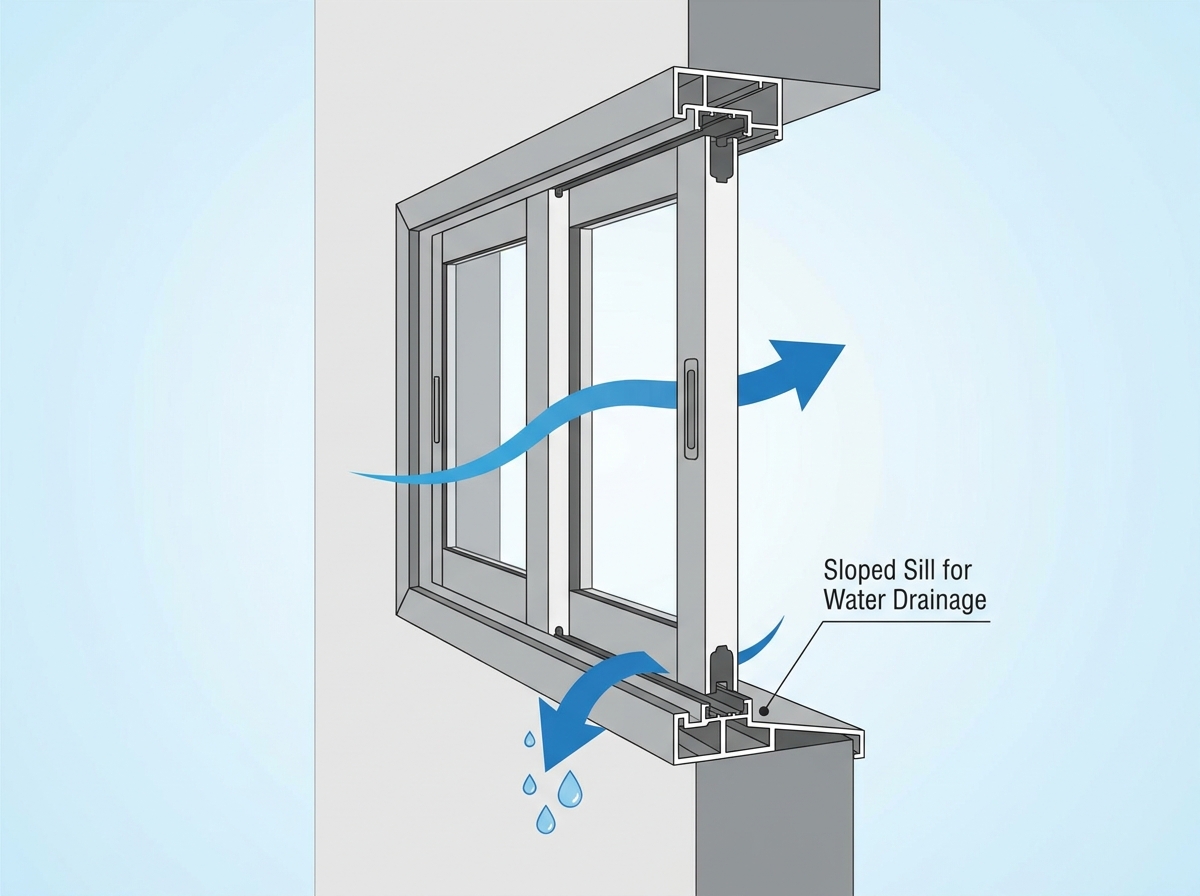
To fully appreciate the nuances of window selection, it is essential to delve into the fundamental principles of natural ventilation. Airflow through a building is driven by pressure differences, which are typically caused by wind or temperature variations. When wind strikes the exterior of a building, it creates a positive pressure zone on the windward side and a negative pressure zone on the leeward side. Windows act as the primary conduits for this air exchange. The effectiveness of a window in facilitating this exchange depends heavily on its operable area, its orientation relative to prevailing winds, and the specific mechanics of its opening mechanism. While casement windows are hinged at the side and crank outward to catch passing breezes, sliding windows operate on a horizontal track, allowing one or more sashes to glide past each other. This fundamental difference in operation dictates how air enters and exits the living space, making the choice between the two styles a critical consideration for airflow management.
The core design of an aluminum sliding window emphasizes horizontal movement, which presents unique advantages and characteristics for residential and commercial applications. Unlike windows that protrude outward or inward, sliding configurations remain flush with the wall, making them an excellent choice for areas where exterior space is limited, such as walkways, patios, or decks. The DAW Aluminium Sliding Window line is engineered to maximize this spatial efficiency while providing robust structural integrity. Interestingly, while the product line is named for its aluminum characteristics and features a roll-formed aluminum screen frame, the primary frame material is constructed from 100% Virgin PVC Vinyl. This combination of materials leverages the strengths of high-grade vinyl for the main structural components, ensuring long-lasting durability and resistance to environmental degradation.
When evaluating aluminum sliding windows for airflow, it is important to consider the operable area. In a standard two-sash sliding window, typically only one half of the window area can be opened at any given time, as one sash must slide over the other. However, this design allows for highly controlled ventilation. Homeowners can open the sash just a fraction of an inch for a slight breeze or open it fully to maximize the available aperture. The DAW Aluminium Sliding Window offers configurations where the left or right sash is operable, and designs with two or three movable sashes are also available, providing flexibility in how airflow is directed and managed within the room. This adaptability makes them highly suitable for various room layouts and ventilation requirements.
The way an aluminum sliding window directs airflow is fundamentally different from a casement window. Because the sliding sash moves horizontally within the frame, the air entering the room flows directly through the open aperture without being deflected or scooped by a protruding pane of glass. This direct pathway is highly effective for cross-ventilation when windows on opposite sides of a room or building are opened simultaneously. The direct, unobstructed flow of air through the sliding aperture allows for rapid air exchange, which is particularly beneficial in quickly cooling down a space during the evening or clearing out stale air and odors. Furthermore, because the window does not project outward, it does not interfere with exterior landscaping, screens, or architectural features that might otherwise disrupt the wind patterns around the building envelope.
Casement windows, on the other hand, are widely recognized for their exceptional ability to capture and direct airflow. Because the entire window sash swings outward on side hinges, the full area of the window opening is available for ventilation. When fully opened, a casement window acts like a sail or a scoop, catching wind that is moving parallel to the exterior wall and funneling it directly into the interior space. This makes casement windows highly effective in areas where prevailing winds do not blow directly toward the building. However, this outward projection means that casement windows require unobstructed exterior space to operate properly. They cannot be installed in locations where they might swing into pedestrian walkways, interfere with exterior shading devices, or clash with nearby landscaping.
While casement windows offer maximum open area, they also present different maintenance and operational considerations compared to sliding designs. The mechanical crank mechanisms and hinges are exposed to the elements when the window is open, which can lead to wear and tear over time. In contrast, the sliding mechanisms of the DAW Aluminium Sliding Window are largely contained within the frame track. The brass rollers utilized in the DAW design allow for smooth, quiet gliding, minimizing friction and reducing the physical effort required to operate the window. This focus on smooth operation ensures that homeowners can easily adjust the window to their desired level of ventilation without struggling with complex or stiff hardware.
The performance of any window, whether sliding or casement, is heavily dependent on its structural integrity and the materials used in its construction. The DAW Aluminium Sliding Window incorporates several advanced engineering features designed to enhance its durability and operational lifespan. The frame, constructed from 100% Virgin PVC Vinyl, features a frame depth of 3-1/4 inches. A critical aspect of its construction is the use of fusion-welded frame and sash corners. This manufacturing technique melts the vinyl at the corners and fuses them together, creating a continuous, solid piece of material. This fusion-welded construction enhances structural integrity and prevents separation, which is a common point of failure in mechanically fastened windows. By eliminating seams and joints where water and air could potentially infiltrate, the fusion-welded corners contribute significantly to the window's overall weather resistance and thermal performance.
In addition to the fusion-welded corners, the DAW window utilizes multi-chambered profiles within the frame and sash. These internal chambers serve multiple purposes. First, they increase the strength and rigidity of the window, allowing it to withstand wind loads and structural stresses without warping or bending. Second, the air trapped within these chambers acts as an insulating barrier, reducing thermal transfer through the frame. This multi-chambered design is a crucial component in maintaining energy efficiency, as it helps to keep the interior surface of the window frame closer to the room's ambient temperature, thereby reducing the likelihood of condensation and minimizing heating and cooling costs.
Effective airflow management also involves keeping unwanted air and moisture out when the window is closed. The DAW Aluminium Sliding Window is equipped with several features designed to provide superior weather resistance. One of the most notable features is the patented sloped sill design. Water intrusion is a significant concern for any window installation, as standing water can lead to mold, mildew, and structural damage over time. The sloped sill ensures efficient water drainage away from the building, utilizing gravity to quickly shed rainwater and prevent it from pooling in the window track. This proactive approach to moisture management is essential for maintaining the longevity of the window and protecting the building envelope.
To further combat the elements, the window incorporates dual barrier fin weatherstripping. Weatherstripping is a critical component in sealing the gaps between the operable sash and the stationary frame. The dual barrier fin design creates a tight seal to block out drafts and moisture, ensuring that the window remains highly energy-efficient when closed. This tight seal is particularly important in regions with extreme weather conditions, where preventing air infiltration is just as important as facilitating natural ventilation. By visually checking the weatherstripping once a year to ensure the seals are intact, homeowners can maintain the optimal performance of their windows for decades.
The glass unit itself is a major factor in a window's thermal performance. The DAW Aluminium Sliding Window offers a choice between a 3/4-inch or 7/8-inch double-pane insulated glass unit. This double-pane construction creates an insulating airspace between the two layers of glass, significantly reducing heat transfer compared to single-pane windows. To further enhance this thermal performance, the window utilizes Intercept warm-edge spacer technology. The spacer is the component that separates the two panes of glass at the perimeter. Traditional aluminum spacers can act as a thermal bridge, conducting heat and cold between the interior and exterior environments. The Intercept warm-edge spacer technology minimizes heat transfer at the glass edges and reduces condensation, contributing to a more comfortable indoor environment and improving the overall energy efficiency of the window unit.
Homeowners can further customize their thermal and privacy needs by selecting from various glass packages. The available options include Standard Clear, Low-E, Privacy Glass (such as Obscure or Gluechip), and Tempered Glass (available in Clear or Low-E). Low-E (low-emissivity) coatings are particularly beneficial for managing solar heat gain and reducing the fading of interior furnishings caused by ultraviolet light. Privacy glass options are ideal for bathrooms or ground-floor bedrooms where natural light is desired but direct visibility must be obscured. Tempered glass provides an added layer of safety, as it is designed to shatter into small, blunt pieces rather than sharp shards if broken.
Every home is unique, and the ability to customize window dimensions and aesthetics is crucial for a successful installation. The DAW Aluminium Sliding Window offers extensive sizing options to accommodate a wide range of architectural requirements. Custom widths are available from 26.25 to 48 inches, and custom heights range from 12 to 36 inches, both available in precise 0.25-inch increments. This level of customization ensures a perfect fit for both new construction projects and specific replacement installations. For new construction applications, an optional 1-3/4 inch (1.75 inch) nailing flange is available to facilitate secure attachment to the building framing.
Aesthetic integration is equally important, and the DAW window provides a vast array of frame colors to match any exterior or interior design scheme. The available frame colors include White, Soft White, Beige, Almond, Brown, Gray, Black, Bronze, Burgundy, Champagne, Coastal Dune, Colonial Ivory, Amazon Green, Forest Green, Rosewood, Royal Brown, Sandstone, Sierra, Terratone, Tile Red, and Wedgewood Blue. This extensive palette allows homeowners and designers to select the perfect hue to complement the building's siding, trim, and overall architectural style.
To add further architectural detail, the windows can be equipped with internal grids. These grids are positioned between the two panes of insulated glass, which adds architectural detail while remaining easy to clean. Because the grids are internal, they do not accumulate dust and dirt like external grilles, making window washing a much simpler task. The available grid styles include flat profiles and contoured designs, with specific grid designs such as Cottage, Cottage TL, and Prairie SG available to match traditional, craftsman, or contemporary architectural themes.
When maximizing airflow through open windows, it is essential to prevent insects and debris from entering the living space. The DAW Aluminium Sliding Window features a robust screen system designed for durability and ease of use. The screen frame material is made of roll-formed aluminum, providing a rigid and lightweight structure that resists bending and warping. Homeowners can choose from several screen options, including No Screen, Standard Mesh, or an Aluminum screen, depending on their specific needs and regional insect populations. Additionally, the screens are available in half-size or full-size configurations, allowing for flexibility in how the window is operated and ventilated.
Safety and ease of maintenance are paramount considerations in modern window design. The DAW Aluminium Sliding Window incorporates features that address both of these concerns. For enhanced security, especially in homes with young children, the windows are equipped with built-in child latches. These latches add an extra layer of safety by restricting the extent to which the window can be opened, preventing accidental falls while still allowing for a safe level of ventilation. This feature provides peace of mind for parents and caregivers without compromising the window's primary function.
Maintenance accessibility is another critical area where the DAW window excels. Cleaning the exterior glass of upper-story windows can be a dangerous and difficult chore. To solve this problem, the DAW sliding windows feature lift-out or swing-out sashes. These mechanisms enable easy access to clean exterior glass safely from inside the home. By allowing the homeowner to remove or pivot the sash inward, the need for tall ladders or expensive exterior window cleaning services is eliminated, making routine maintenance safer and more convenient.
The horizontal operation of sliding windows makes them uniquely suited for specific locations within a home. They are ideal for areas with limited vertical space, such as over kitchen sinks, in bathrooms, basements, or hallways. In a kitchen, for example, reaching over a wide counter and sink to push up a heavy double-hung window can be ergonomically challenging. A sliding window, equipped with smooth brass rollers, can be easily glided open with a simple horizontal push, providing instant ventilation for cooking odors and excess heat. Similarly, in basements where the window openings are typically wider than they are tall, sliding windows are the most practical and efficient choice for maximizing natural light and airflow.
For homeowners looking to maximize their interior layout, choosing space saving windows is a strategic decision. Because sliding windows do not swing inward like hopper windows or outward like awning and casement windows, they do not interfere with interior window treatments, furniture placement, or exterior walkways. This flush operation is a significant advantage in tight spaces or high-traffic areas where protruding window sashes could pose a hazard or an inconvenience.
The long-term performance of any window is heavily reliant on proper installation and consistent maintenance. The DAW Aluminium Sliding Window is designed to be suitable for new construction or specific replacement installations using the optional nailing flange. However, regardless of the application, strict adherence to installation best practices is required. Windows must be properly caulked, shimmed, secured, and sealed during installation. Proper shimming ensures that the window frame is perfectly square and plumb within the rough opening, which is essential for the smooth operation of the sliding sashes and the effectiveness of the weatherstripping. Inadequate sealing or securing can lead to air leaks, water intrusion, and operational difficulties that compromise the window's performance.
Once properly installed, maintaining the DAW Aluminium Sliding Window is a straightforward process. Routine care is essential to ensure the longevity of the hardware and the clarity of the glass. Homeowners should periodically vacuum or brush the window tracks to remove accumulated dust, dirt, or debris. Debris in the track can impede the movement of the brass rollers and cause premature wear. The frames themselves are low-maintenance; it is recommended to wipe frames clean with a soft cloth and mild soap. Harsh chemicals or abrasive cleaners should be avoided, as they can damage the vinyl surface or the color finish. Additionally, homeowners should visually check weatherstripping once a year to ensure seals are intact. Replacing worn or damaged weatherstripping promptly will maintain the window's energy efficiency and draft resistance.
When investing in building materials, certifications and warranties provide a measure of confidence in the product's quality and longevity. The DAW Aluminium Sliding Window meets or exceeds AAMA (American Architectural Manufacturers Association) standards for strength and color retention. This certification indicates that the window has undergone rigorous testing to ensure it can withstand environmental stresses, wind loads, and prolonged exposure to sunlight without significant degradation or color fading. Furthermore, the product is proudly Made in the U.S.A., which often appeals to consumers looking to support domestic manufacturing and ensure adherence to strict national labor and environmental regulations.
To back up its engineering and manufacturing quality, the DAW window comes with a comprehensive Lifetime Warranty. This warranty covers the window frame, color, hardware, and insulated glass unit. Such a robust warranty underscores the manufacturer's confidence in the fusion-welded construction, the durability of the virgin PVC vinyl, the reliability of the brass rollers, and the seal integrity of the insulated glass unit. For homeowners, this warranty provides significant financial protection and peace of mind, knowing that their investment is safeguarded against manufacturing defects for the lifetime of the product.
Ultimately, the decision to install an aluminum sliding window or a casement window depends on a careful evaluation of the specific needs of the space. While casement windows offer excellent air-scooping capabilities, sliding windows provide unparalleled spatial efficiency, ease of operation, and versatility. By selecting a highly engineered product like the DAW Aluminium Sliding Window, homeowners do not have to compromise on structural integrity or thermal performance to achieve their ventilation goals. The extensive customization options, from precise sizing to a vast array of colors and glass packages, ensure that each window can be tailored to meet the exact architectural and functional requirements of the building.
Whether you are designing a new build or renovating an existing property, incorporating a custom sliding window allows for precise control over airflow, natural light, and aesthetic integration. The combination of multi-chambered profiles, fusion-welded corners, and advanced weatherstripping creates a fenestration solution that performs exceptionally well in diverse climates. By prioritizing proper installation and adhering to simple maintenance routines, these windows will continue to provide smooth operation, clear views, and reliable weather protection for decades to come.
The DAW Aluminium Sliding Window delivers an exceptional balance of durability, energy efficiency, and user-friendly operation, making it a highly practical investment for both new construction and replacement projects. With its robust 100% Virgin PVC Vinyl frame featuring fusion-welded corners and multi-chambered profiles, the window ensures long-lasting structural integrity and superior insulation. Practical features like the patented sloped sill for water drainage, dual barrier fin weatherstripping, and Intercept warm-edge spacer technology work together to maintain a comfortable, draft-free indoor environment while minimizing condensation. Designed with the homeowner in mind, the smooth-gliding brass rollers, easy-to-clean lift-out or swing-out sashes, and built-in child latches provide daily convenience and safety. Backed by a comprehensive Lifetime Warranty and meeting rigorous AAMA standards, this American-made window is an ideal, space-saving solution for anyone seeking reliable performance, extensive customization, and lasting value in their home fenestration.


