
Views: 0 Author: Site Editor Publish Time: 2026-08-27 Origin: Site


When embarking on a new construction project or a major home renovation, selecting the right entryways and patio transitions is a critical decision that impacts both the aesthetic appeal and the functional performance of the building. Among the most popular choices in contemporary architecture is the aluminum glass door, a fixture celebrated for its sleek profile, expansive viewing areas, and robust structural integrity. Homeowners and commercial developers alike frequently find themselves comparing various styles and configurations to determine the optimal fit for their specific spatial requirements. A common point of discussion is the comparison between a standard hinged or pivot aluminum glass door versus a sliding patio door configuration. Both options offer distinct advantages, but understanding their unique characteristics, underlying mechanics, and specific applications is essential for making an informed architectural choice.
The architectural landscape has evolved significantly over the past few decades, moving away from bulky, opaque materials toward transparent, light-enhancing structures. In this context, the integration of high-quality fenestration products has become paramount. The decision to install aluminum glass doors is often driven by the desire to maximize natural light penetration while maintaining a strong, secure barrier against the elements. However, the specific operational style—whether a traditional swinging mechanism or a space-saving sliding track—dictates how the space will ultimately be utilized and experienced by its occupants.
To fully appreciate the nuances of this architectural comparison, it is first necessary to delve into the fundamental characteristics of the primary material and construction methods involved. Aluminum, as a framing material, has revolutionized the window and door industry. Unlike traditional wood, which is susceptible to warping, rotting, and pest infestations, or standard vinyl, which can degrade under intense ultraviolet exposure, aluminum offers unparalleled strength-to-weight ratios and exceptional longevity.
An aluminum glass door is essentially a fenestration unit where the primary structural framework is composed of extruded aluminum profiles, designed to encase and support large panels of glass. The inherent strength of aluminum allows for significantly narrower sightlines compared to other materials. This means that the frames can be thinner while still supporting heavy, multi-pane glazing units. The result is a minimalist aesthetic that maximizes the glass area, providing unobstructed views and flooding interior spaces with natural daylight. This structural capacity is a defining feature that architects leverage when designing contemporary, open-concept spaces.
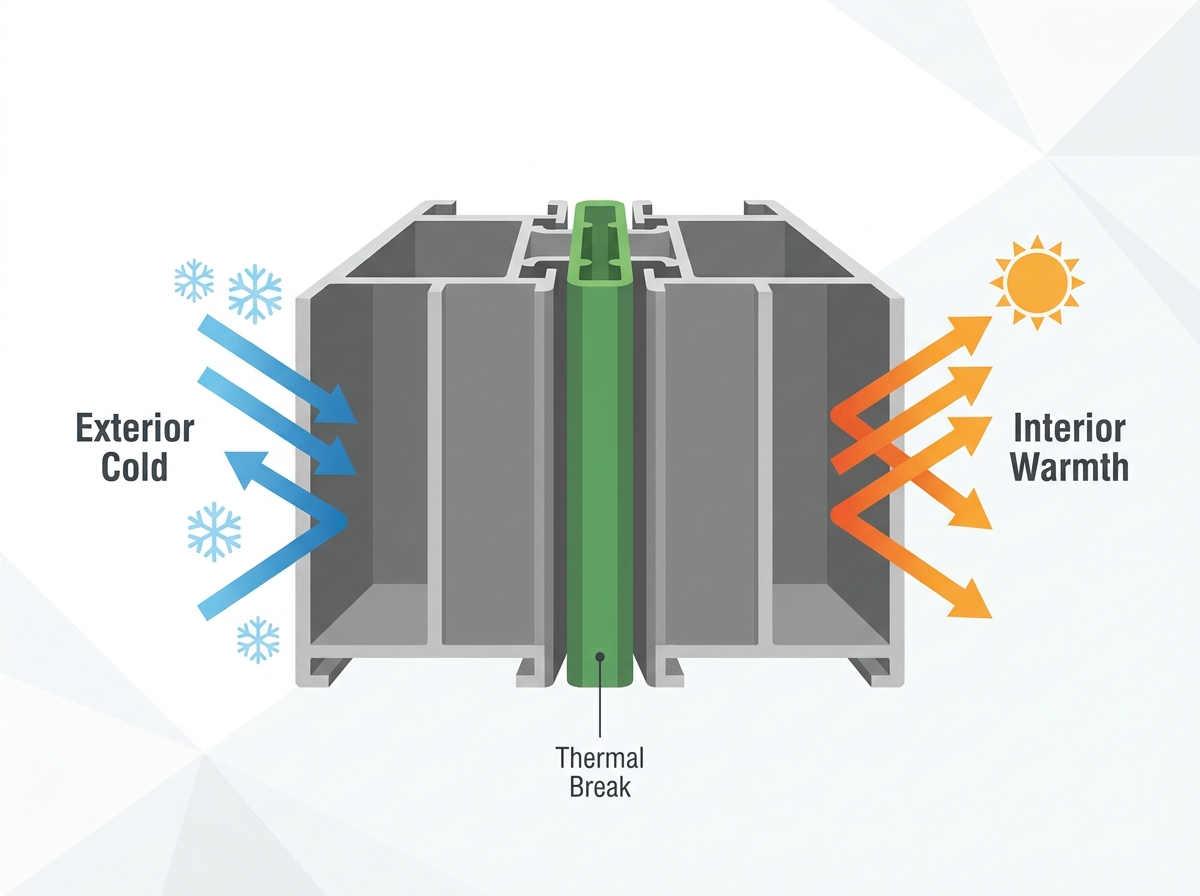
Historically, early aluminum frames were criticized for their poor thermal performance. Because aluminum is a highly conductive metal, early iterations of these doors easily transferred heat and cold between the exterior and interior environments, leading to condensation issues and increased energy consumption for heating and cooling. However, modern engineering has completely mitigated this drawback through the introduction of thermal break technology. By inserting a non-conductive structural barrier—often made of polyamide or polyurethane—between the interior and exterior aluminum profiles, manufacturers have effectively severed the thermal bridge. This advancement has transformed aluminum doors into highly efficient components of the building envelope.
While the term "aluminum glass door" refers to the material composition and general category, the "sliding patio door" describes a specific operational mechanism. Sliding doors operate by gliding horizontally along a dedicated track system, rather than swinging inward or outward on hinges. This operational difference fundamentally alters how the door interacts with the surrounding floor plan and exterior environment.
The core functionality of a sliding patio door relies on a complex system of tracks, rollers, and guides. The weight of the heavy glass panels is supported by rollers located at the bottom (or sometimes suspended from the top) of the frame. High-quality systems utilize advanced roller designs, such as tandem ball-bearing rollers, to ensure that even massive, heavy panels can be operated with minimal physical effort. The track itself must be precisely engineered to prevent derailment, resist the accumulation of debris, and provide a tight seal against weather infiltration when the door is in the closed and locked position.
One of the most significant advantages of a sliding configuration is its spatial efficiency. Because the panels slide parallel to the wall, they do not require a swing radius. This is particularly beneficial in compact layouts, such as city apartments, narrow patios, or rooms where furniture placement would be hindered by a swinging door. The sliding mechanism allows for a seamless transition between indoor and outdoor areas without encroaching on valuable square footage, making it an ideal solution for maximizing usable space in both residential and commercial settings.
When evaluating an aluminum glass door (often envisioned as a hinged or pivot door in this context) against an aluminum sliding patio door, several critical factors must be considered. Both utilize the same premium materials, but their design dictates different performance characteristics and user experiences.
Both configurations benefit from the robust nature of aluminum. Extruded aluminum profiles provide exceptional rigidity, ensuring that the doors will not warp, twist, or sag over time, even under the stress of daily operation and exposure to harsh weather conditions. However, the structural demands differ slightly. A hinged door concentrates stress on the hinges and the jamb, requiring robust reinforcement at these specific points. A sliding door distributes the weight of the panels across the entire length of the track and the roller assemblies. Both systems, when engineered correctly, offer outstanding durability, but sliding doors are often preferred for exceptionally wide openings because the track system can support massive panels that would be impractical to hang on traditional hinges.
Thermal efficiency is a paramount concern in modern construction. Both hinged aluminum doors and sliding patio doors can achieve excellent thermal performance, provided they incorporate advanced thermal break technology and high-quality glazing. The key difference often lies in the weather sealing mechanisms. Hinged doors typically utilize compression seals, which are highly effective at blocking air and water infiltration when the door is pulled tightly against the frame. Sliding doors rely on interlocking meeting stiles and specialized weather stripping (such as EPDM or silicone) to create a seal as the panels slide past one another. While early sliding doors struggled with air leakage, contemporary designs with sophisticated interlocking mechanisms and multi-point locking systems provide exceptional weather resistance, making them highly effective energy efficient glass doors.
Aesthetically, both options offer the sleek, modern look associated with aluminum framing. Hinged doors can provide a grand, traditional entrance feel, especially when configured as double French doors. They are often chosen for primary entryways or spaces where a classic architectural statement is desired. Sliding doors, on the other hand, are the epitome of contemporary design. They offer the largest possible uninterrupted glass areas, blurring the line between indoor and outdoor spaces. The choice between the two often comes down to the specific architectural style of the building and the desired visual impact.
Security is a non-negotiable aspect of any exterior door. Both hinged and sliding aluminum doors can be equipped with robust security features. Hinged doors benefit from heavy-duty deadbolts and multi-point locking systems that secure the door at several points along the frame. Sliding doors have historically been perceived as less secure due to older, easily bypassed latch designs. However, modern aluminum sliding doors utilize advanced multi-point locking mechanisms that engage directly into the frame, providing formidable protection against forced entry. Additionally, the inherent strength of the aluminum frame and the use of tempered or laminated glass significantly enhance the overall security profile of both door types.
To illustrate the pinnacle of modern sliding door engineering, we examine the DAW Aluminum Sliding Door. This product exemplifies how advanced materials and meticulous design can create an exterior and commercial aluminum sliding door that meets the highest standards of performance, aesthetics, and durability.
The foundation of the DAW Aluminum Sliding Door is its superior frame construction. It utilizes thermally broken aluminum profiles that are 1.4mm thick, crafted from high-grade 6060-T66 alloy. This specific alloy provides an optimal balance of strength, corrosion resistance, and extrudability, allowing for precise, complex frame geometries. The integration of thermal break technology creates a highly effective thermal barrier against outdoor temperatures, ensuring that the interior environment remains comfortable regardless of extreme weather conditions outside. The robust nature of these frames allows for customizable panel configurations that can fit massive openings, supporting dimensions up to 6 feet wide and 12 feet tall per panel.
A door is only as efficient as its glazing. The DAW system offers versatile glazing options to meet diverse environmental and acoustic requirements. Options include 5mm tempered glass for standard safety applications, 1-inch dual-pane insulated units for enhanced thermal performance, or sophisticated 5-9A-5 insulated double glazing. Combined with warm-edge spacers, these glazing configurations work in tandem with the thermally broken frames to deliver exceptional thermal and acoustic insulation. The system is capable of achieving significant noise reduction, dropping exterior noise levels from up to 85dB down to a quiet 32dB, creating a serene indoor environment even in bustling urban settings.
The user experience of a sliding door is heavily dependent on its hardware. The DAW Aluminum Sliding Door addresses this with adjustable tandem ball-bearing rollers. These precision-engineered components ensure smooth and quiet gliding, allowing users to effortlessly operate even the largest and heaviest 12-foot tall panels. Security is addressed through the integration of multi-point locking systems, which provide robust protection against forced entry, giving homeowners and business operators peace of mind. Furthermore, the hardware has undergone rigorous cycle testing, proven to withstand over 50,000 cycles, guaranteeing decades of reliable operation.
To withstand the elements and maintain its aesthetic appeal, the DAW door features premium finishes. Customers can choose between powder-coated finishes that meet stringent AAMA 2604/2605 standards, or anodized finishes available in Clear, Bronze, Black, and Kynar. Weatherproofing is achieved through durable EPDM or silicone weather seals, ensuring a tight barrier against wind and rain. The product's quality and performance are validated by numerous industry certifications, including NFRC, AAMA, CSA, and AS2047. Additionally, for regions prone to severe weather, Florida-approved options are available, demonstrating the door's exceptional structural resilience.
The versatility of high-quality aluminum sliding doors makes them suitable for a wide array of architectural applications. Their ability to combine large expanses of glass with robust structural performance allows them to solve various design challenges across different sectors.
In residential settings, these doors are transformative. They are frequently utilized for patios, balconies, living rooms, bedrooms, and kitchens. By installing modern glass doors, homeowners can create a seamless flow between their interior living spaces and exterior decks or gardens. The sliding mechanism is particularly advantageous in compact layouts, such as city apartments or narrow patios, where maximizing usable floor space is critical. The optional integrated insect screens—available in fiberglass, fibermesh, aluminum, retractable, or 304 stainless steel mesh—provide essential ventilation without obstructing the carefully framed views.
The commercial sector demands durability and reliability. Exterior aluminum sliding doors are ideal for commercial terraces and garden areas in hotels, restaurants, and cafes. The ability to open up large sections of a wall allows hospitality venues to merge their indoor dining areas with outdoor patios during favorable weather, enhancing the customer experience. The robust 6060-T66 aluminum alloy and heavy-duty tandem rollers ensure that the doors can withstand the high frequency of use typical in commercial environments without succumbing to premature wear and tear.
Coastal regions and areas prone to severe storms require fenestration products engineered for extreme conditions. The availability of Florida-approved options within the DAW product line makes these sliding doors suitable for high wind zone and impact-resistant areas. The combination of heavy-duty aluminum framing, specialized impact-resistant glazing, and secure multi-point locking systems ensures that the building envelope remains intact during severe weather events, protecting the property and its occupants.
The long-term performance of any architectural door system is heavily reliant on proper installation and consistent, albeit minimal, maintenance. Aluminum sliding doors are designed to be user-friendly in both regards, but specific protocols must be followed to ensure optimal functionality.
Handling large, heavy glass panels and precise aluminum frames requires professional expertise. To facilitate easier transportation and on-site handling, systems like the DAW Aluminum Sliding Door are available in knockdown (KD) frame designs. This allows for easier assembly in spaces where maneuvering a fully pre-assembled massive frame would be logistically impossible. It is important to note that while the product is designed for straightforward assembly, on-site installation services for this specific product are limited to specific regions, such as Australia. Proper leveling of the track and precise adjustment of the tandem rollers are critical steps during installation to ensure the doors glide smoothly and seal correctly.
One of the primary benefits of aluminum is its low maintenance requirement. Unlike wood, it does not need to be sanded, painted, or stained. Routine maintenance generally involves keeping the bottom track clear of dirt, leaves, and debris to prevent damage to the rollers and ensure smooth operation. The powder-coated or anodized finishes require only periodic cleaning with mild soap and water to maintain their appearance. For added convenience, between-the-glass grilles can be integrated into the design, allowing for easy cleaning of the glass surfaces without the obstruction of external muntins.
Choosing between a standard aluminum glass door and a sliding patio door ultimately depends on the specific needs of the project. If the goal is to maximize space, accommodate exceptionally wide openings, and create a seamless, modern transition to the outdoors, the sliding configuration is often the superior choice. The integration of advanced thermal breaks, high-performance glazing, and precision hardware has elevated the sliding door from a simple patio access point to a sophisticated architectural feature that enhances both the energy efficiency and the aesthetic value of a property.
When evaluating options, it is crucial to look for products backed by strong warranties and comprehensive support. The DAW system, for instance, is backed by a 10-year limited warranty covering all components and glass, and includes 24/7 remote technical assistance. Furthermore, ensuring compatibility with other architectural elements is important; these sliding doors are compatible with coordinating sidelight and transom units, allowing for cohesive and expansive glass facades.
The DAW Aluminum Sliding Door represents a premier solution for both residential and commercial applications, offering an exceptional blend of durability, thermal efficiency, and modern aesthetics. With its thermally broken 6060-T66 aluminum profiles, advanced noise reduction capabilities, and smooth tandem ball-bearing rollers, it provides effortless operation for massive panels up to 6 feet wide and 12 feet tall. Backed by a 10-year warranty, rigorous industry certifications (NFRC, AAMA, CSA, AS2047), and robust multi-point locking systems, this exterior sliding door delivers secure, weather-resistant, and visually stunning transitions for any space, from compact city apartments to expansive hospitality terraces and high-wind coastal zones.


