
Views: 0 Author: Site Editor Publish Time: 2026-08-16 Origin: Site


When upgrading your home exterior, selecting the optimal materials for your entryway and parking enclosures is a decision that significantly impacts both curb appeal and daily functionality. Among the most popular choices on the market today, aluminum garage doors and steel alternatives stand out as the leading contenders for residential and commercial properties alike. Homeowners and builders are frequently faced with the dilemma of choosing between these two robust metals. While both offer distinct advantages in terms of security, longevity, and aesthetic versatility, understanding their fundamental differences is crucial for making an informed investment. The choice you make will dictate not only the visual character of your property but also the long-term maintenance requirements, the strain on your automated opening systems, and the overall energy efficiency of your garage space.
To fully appreciate the nuances of this comparison, it is necessary to delve deeply into the metallurgical properties, manufacturing processes, and practical applications of both materials. Garage doors are typically the largest moving objects in a home, and their construction material dictates how they respond to daily wear and tear, fluctuating temperatures, and severe weather events. In this comprehensive guide, we will explore every facet of these architectural elements, from their structural integrity and weight profiles to their insulation capabilities and design flexibility, ensuring you have all the necessary information to select the perfect enclosure for your specific environmental and aesthetic needs.
The architectural landscape has seen a massive surge in the utilization of lightweight metals for exterior home components. Aluminum, known for its exceptional strength-to-weight ratio, has revolutionized the way manufacturers approach large-scale automated entryways. Unlike heavier traditional materials, aluminum provides a unique combination of structural stability and effortless operability. This section explores the inherent characteristics that make this material a highly sought-after option for contemporary construction and renovation projects.
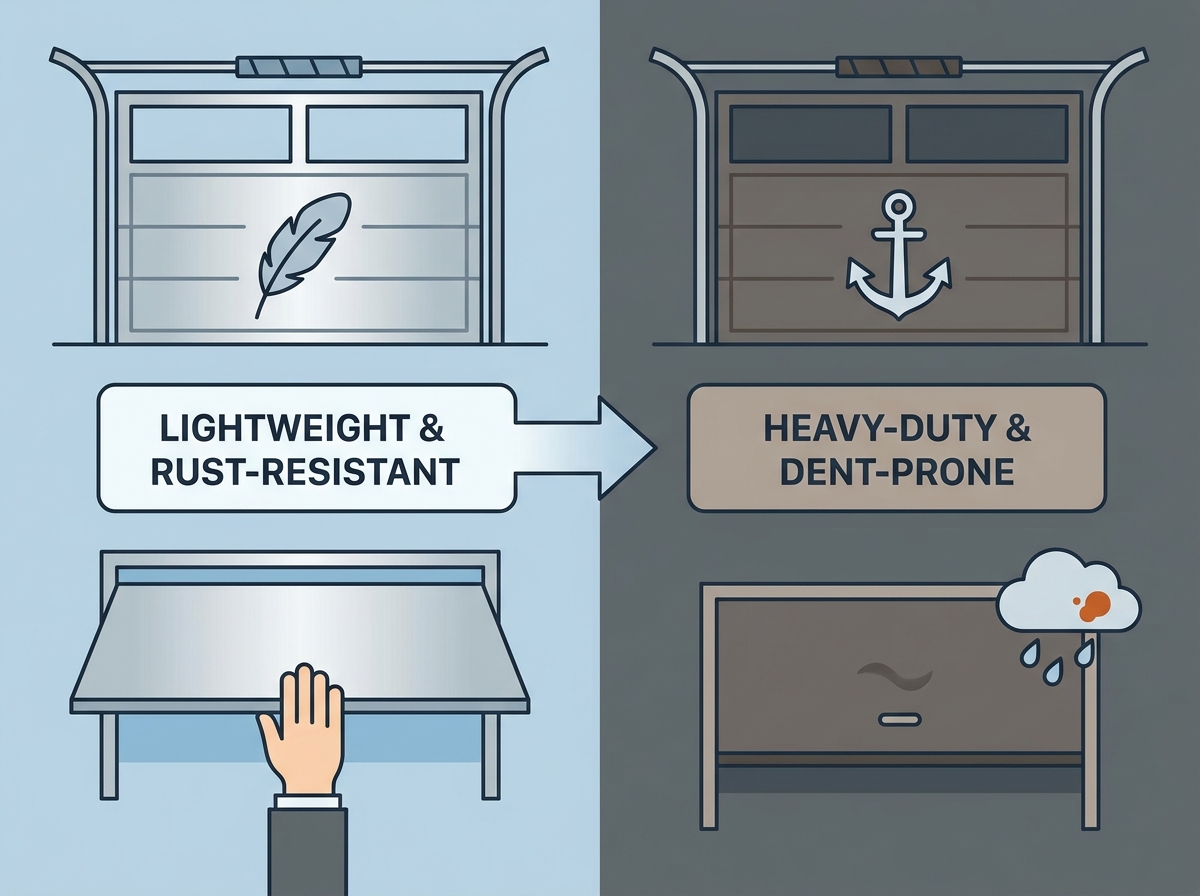
One of the primary reasons homeowners gravitate toward aluminum garage doors is their remarkably low weight. Aluminum is significantly lighter than steel, which translates to a multitude of mechanical advantages for the entire garage door system. A lighter door places substantially less stress on the torsion springs, cables, tracks, and the electric opener mechanism. This reduced mechanical strain directly correlates to a longer lifespan for your hardware components, potentially saving homeowners significant amounts of money on premature repairs and replacements. Furthermore, in the event of a power outage where manual operation becomes necessary, an aluminum door is vastly easier to lift by hand compared to its steel counterpart, providing an added layer of safety and convenience for all members of the household.
Beyond the mechanical benefits, the natural properties of aluminum make it an incredibly resilient choice for specific climates. Aluminum naturally generates a protective oxide coating when exposed to air, which acts as a formidable barrier against corrosion. Unlike ferrous metals, aluminum will not rust. This makes it the premier choice for properties located in coastal regions where high humidity and airborne salt can rapidly degrade lesser materials. Homeowners in these demanding environments can enjoy peace of mind knowing their investment is inherently protected against the aggressive elements that typically cause rapid deterioration in traditional metal doors.
Understanding the science behind aluminum's weather resistance requires a brief look at metallurgy. When aluminum is scratched or exposed to the elements, it does not undergo the destructive oxidation process known as rusting. Instead, it forms aluminum oxide, a hard, transparent layer that instantly seals the raw metal from further environmental interaction. This self-healing characteristic ensures that minor surface abrasions do not evolve into structural weaknesses or unsightly orange stains that plague other materials. Consequently, the long-term visual integrity of the door is preserved with minimal intervention.
However, it is important to acknowledge that while aluminum excels in corrosion resistance, its lighter weight means it can be more susceptible to denting from significant impacts. A stray baseball, heavy hail, or an accidental bump from a vehicle might leave a noticeable depression in an uninsulated, single-layer aluminum panel. To mitigate this, manufacturers often utilize thicker aluminum extrusions or pair the metal panels with dense insulation cores, which significantly bolster the panel's rigidity and impact resistance, creating a highly durable composite structure that withstands daily residential hazards.
Steel has long been the traditional standard for secure, durable, and cost-effective garage enclosures. Renowned for its formidable strength and rigid composition, steel provides a sense of security and permanence that is highly valued in residential architecture. Available in various gauges—which denote the thickness of the metal—steel doors can be tailored to meet a wide range of durability requirements and budget constraints.
The defining characteristic of steel is its exceptional hardness and impact resistance. Lower gauge numbers indicate thicker, stronger steel (for example, a 24-gauge door is thicker and more robust than a 28-gauge door). For homeowners prioritizing security and resistance to physical damage, heavy-gauge steel is unparalleled. It easily withstands the rigors of active driveways, resisting dents from sports equipment, minor vehicle impacts, and severe weather phenomena like heavy hail. This structural fortitude makes steel an excellent choice for families with young children or properties located in areas prone to intense storms.
Furthermore, steel's inherent rigidity allows for the manufacturing of expansive, wide-span doors without the risk of sagging or warping over time. The material maintains its shape flawlessly, ensuring that the door continues to fit snugly within its frame, maintaining weather seals and preventing drafts or pest intrusions. This dimensional stability is a critical factor in the long-term performance and energy efficiency of the garage space, particularly in regions that experience extreme temperature fluctuations.
Despite its impressive strength, steel possesses a fundamental vulnerability: its susceptibility to rust. Because steel is an alloy primarily composed of iron, exposure to moisture and oxygen initiates a chemical reaction that results in iron oxide, commonly known as rust. To combat this, reputable manufacturers treat steel doors with a galvanization process, coating the raw steel in a protective layer of zinc, followed by baked-on primer and topcoat finishes.
While these protective layers are highly effective, they are not invincible. Deep scratches that penetrate through the paint and zinc coating down to the bare metal will inevitably lead to rust if not promptly addressed. In coastal environments or regions where corrosive de-icing salts are heavily used on roadways, the risk of accelerated corrosion is significantly higher. Homeowners choosing steel in these environments must be diligent with their maintenance routines, regularly inspecting the door for damage and immediately touching up any compromised areas to prevent rust from taking hold and spreading beneath the paint surface.
The visual impact of a garage door cannot be overstated; it often represents up to a third of a home's front facade. Both aluminum and steel offer extensive design possibilities, but they excel in slightly different aesthetic arenas. The manufacturing processes for these metals allow them to be stamped, extruded, and finished in ways that complement virtually any architectural style, from rustic farmhouse to ultra-contemporary.
One of the most striking architectural trends in recent years is the seamless blending of indoor and outdoor spaces, a design philosophy where aluminum truly shines. The structural rigidity of extruded aluminum frames makes it the ideal material for supporting large expanses of heavy glass. Homeowners looking to flood their garage spaces with natural light or create visually stunning, lantern-like effects at night frequently opt for aluminum glass garage doors. These full-view doors utilize a grid of sturdy aluminum framing to hold tempered, frosted, or tinted glass panels.
This specific style transforms the garage from a dark, utilitarian storage space into a bright, welcoming extension of the home, often utilized as a home gym, art studio, or entertainment area. The aluminum frames can be anodized or powder-coated in a vast array of colors to match the home's window trims and exterior accents perfectly. The combination of sleek metal and expansive glass creates a sophisticated, high-end appearance that significantly elevates the property's modern appeal while maintaining the necessary structural integrity for daily operation.
For homes featuring minimalist architecture, clean lines, and geometric precision, the garage door must reflect these design principles. Both steel and aluminum can be manufactured to create stunning modern garage doors. These designs typically move away from traditional raised-panel looks, favoring flush panels, subtle horizontal ribbing, or asymmetrical window placements. Aluminum, with its ability to be precisely extruded, allows for incredibly sharp, crisp edges and perfectly flat profiles that are highly prized in contemporary design.
Furthermore, the finishing options for modern metallic doors are extensive. Beyond standard paint colors, homeowners can select specialized architectural coatings, metallic automotive-style finishes, or even incredibly realistic faux-wood grain sublimations. These advanced finishes allow you to achieve the warm, organic look of natural wood without the intense maintenance, warping, and rotting issues associated with actual timber. Whether you desire a bold, stark black facade or a subtle, brushed-metal industrial look, both materials offer the canvas necessary to execute a flawless modern aesthetic.
The garage is often the largest unconditioned space in a home, acting as a massive thermal bridge between the harsh outdoor environment and your comfortable living areas. If your garage is attached to your house, or if you use the space for activities beyond parking, the insulation properties of your chosen door material are of paramount importance. Both aluminum and steel are highly conductive metals, meaning they readily transfer heat and cold unless properly insulated.
An uninsulated metal door offers virtually no thermal resistance. In the summer, it will radiate intense heat into the garage, and in the winter, it will turn the space into an icebox. To combat this, manufacturers offer insulated versions of both steel and aluminum doors. These typically feature a double-layer or triple-layer construction, where a core of insulating material is sandwiched between two metal skins. The two most common types of insulation used are expanded polystyrene (EPS) and injected polyurethane.
Polyurethane is generally the superior choice for maximizing energy efficiency. It is injected as a liquid foam that expands to fill every crevice within the door panel, bonding tightly to the metal skins. This not only provides exceptional thermal resistance (measured as an R-value) but also significantly increases the structural rigidity and dent resistance of the door. When comparing insulated steel and aluminum doors, high-quality polyurethane-injected models in either material will perform admirably, helping to regulate garage temperatures, reduce energy bills for the adjacent home, and create a more comfortable environment year-round.
Beyond thermal regulation, insulation plays a crucial role in acoustic dampening. A hollow metal door can act like a drum, amplifying the sounds of the operating mechanism, rattling in the wind, and allowing street noise to penetrate easily into the home. Upgrading to a heavily insulated door significantly reduces sound transmission. The dense foam core absorbs vibrations and blocks exterior noise, resulting in a remarkably quieter operation and a more peaceful indoor environment.
In this specific regard, the heavier mass of a thick steel door combined with high-density polyurethane insulation often provides slightly better soundproofing capabilities against low-frequency exterior noises compared to a lighter aluminum door. However, the lighter weight of an aluminum door means the motorized opener has to work less hard, often resulting in a quieter mechanical operation from the motor and track system itself. The choice depends on whether your primary goal is blocking street noise or minimizing the internal mechanical sounds of the door opening and closing.
When investing in a major home improvement, the initial purchase price is only one part of the financial equation. Homeowners must also consider the long-term maintenance requirements, the expected lifespan of the product, and the potential return on investment when it comes time to sell the property. Steel and aluminum present different value propositions over their respective lifespans.
Maintenance routines differ slightly between the two materials. Steel doors require vigilant inspection for scratches and immediate touch-ups to prevent rust. They should be washed periodically with a mild detergent to remove dirt and corrosive residues, particularly in areas where road salts are common. The bottom weather seal and the perimeter weatherstripping must be kept in good condition to prevent moisture from pooling at the base of the steel panels.
Aluminum doors, while immune to rust, still require basic care to maintain their finish. The protective clear coat or powder-coated finish should be washed gently to prevent dulling from environmental pollutants. Because aluminum is softer, homeowners should be mindful of activities near the door that could cause denting. For both materials, routine lubrication of the hinges, rollers, and track system is essential to ensure smooth operation and prevent premature wear on the metal components and the automatic opener.
Historically, standard steel garage doors have been the more budget-friendly option upfront. The widespread availability of steel and highly efficient manufacturing processes keep base prices relatively low, making it an attractive option for cost-conscious builders and homeowners. However, premium heavy-gauge steel doors with high-end insulation and custom finishes can easily match or exceed the price of aluminum alternatives.
Aluminum doors, particularly those featuring extensive glass panels or heavy-duty extruded frames, often carry a higher initial price tag. The cost of raw aluminum is generally higher than steel, and the specialized manufacturing required for intricate frame designs adds to the expense. However, the lifetime value of aluminum can be exceptional, especially in corrosive coastal environments where a steel door might require replacement much sooner. Furthermore, the reduced wear and tear on the operating hardware due to aluminum's lighter weight can lead to significant savings on maintenance and repairs over the decades.
Ultimately, the decision between aluminum and steel comes down to matching the material's specific strengths to your unique requirements. Standard off-the-shelf options are plentiful, but many architectural projects demand a level of personalization that goes beyond basic colors and panel designs. The flexibility of metal fabrication allows for incredible tailoring to specific site conditions and aesthetic visions.
When standard sizes and configurations fall short, homeowners must turn to bespoke solutions. Commissioning custom garage doors allows for complete control over every aspect of the entryway. Whether you require an unusually wide span that necessitates reinforced steel struts, a specific high-lift track configuration to accommodate a car lift, or a unique aluminum frame design to match historical architectural details, custom fabrication provides the answer. Working with specialized manufacturers ensures that the final product not only meets the exact dimensional requirements of your garage but also perfectly encapsulates your design vision, utilizing the ideal metal alloy, insulation core, and exterior finish to achieve a flawless integration with your property.
In conclusion, both aluminum and steel represent excellent investments for property owners seeking durable, secure, and visually appealing garage enclosures. Steel offers unparalleled impact resistance, robust security, and a cost-effective entry point, making it ideal for busy households and standard environmental conditions. Conversely, aluminum provides exceptional corrosion resistance, lightweight operability that preserves hardware lifespan, and unmatched structural suitability for expansive, modern glass designs. By carefully evaluating your local climate, your architectural aesthetic, your insulation needs, and your long-term maintenance preferences, you can confidently select the material that will provide the greatest practical value, enhance your daily convenience, and beautifully complement your home for decades to come.


