
Views: 0 Author: Site Editor Publish Time: 2026-08-04 Origin: Site


When architects, builders, and homeowners embark on the journey of selecting the perfect fenestration solutions for a new construction or renovation project, the debate between different framing materials inevitably takes center stage. Among the most critical decisions is evaluating aluminum framed windows versus vinyl alternatives, particularly when durability, structural integrity, and long-term performance are the primary objectives. The choice of window material impacts not only the visual aesthetics of a building but also its energy efficiency, security, acoustic performance, and maintenance requirements over decades of use. In modern architectural design, where expansive glass surfaces and minimalist sightlines are highly sought after, understanding the fundamental differences in material strength and resilience is paramount. This comprehensive analysis will explore the intricate details of window durability, focusing on how advanced engineering and premium materials elevate the performance of modern fenestration systems, ensuring they can withstand the harshest environmental conditions while providing unparalleled beauty and functionality.
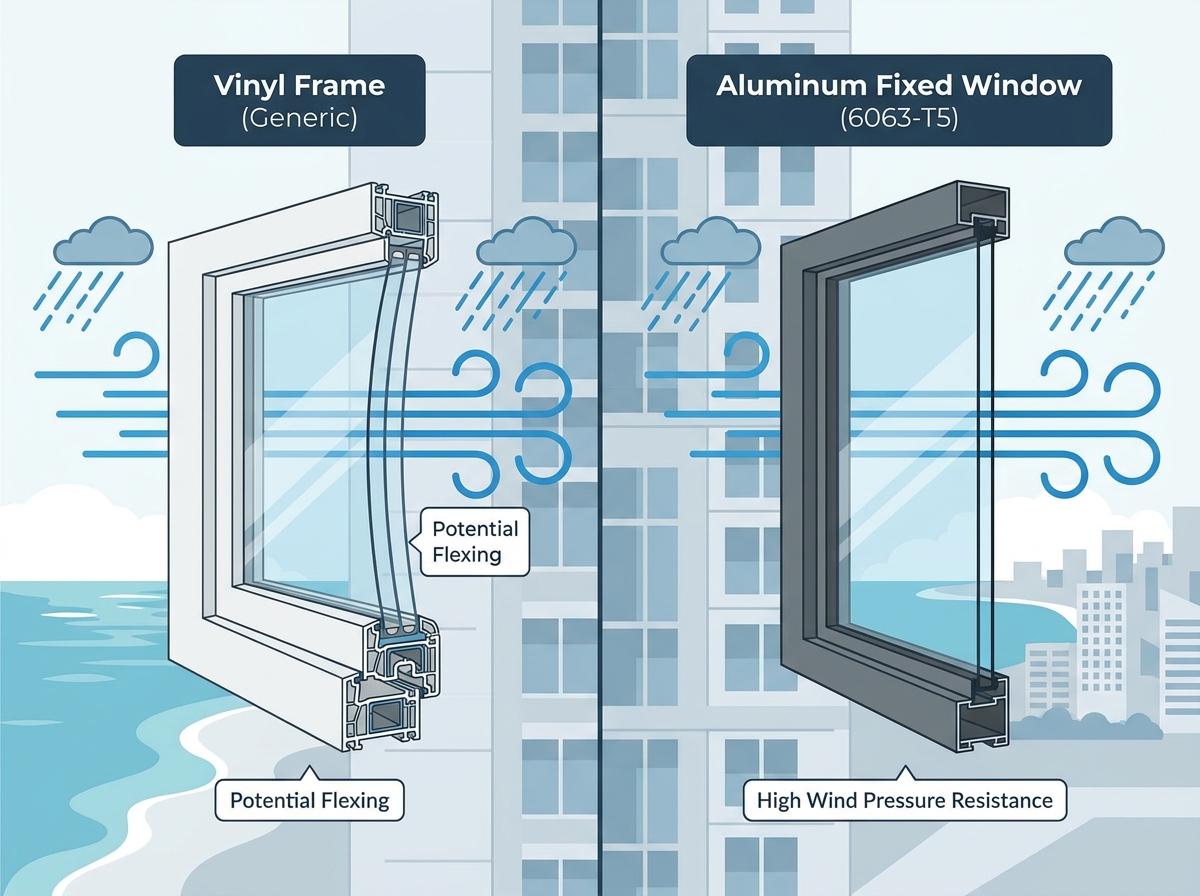
The fenestration industry has seen remarkable advancements in material science over the past few decades. Historically, wood was the standard, offering excellent thermal properties but requiring relentless maintenance to prevent rot and warping. Vinyl emerged as a low-maintenance, cost-effective alternative, gaining massive popularity in residential markets. However, as architectural trends shifted toward larger expanses of glass and commercial-grade performance requirements entered the residential sphere, the limitations of vinyl became more apparent. Vinyl, while excellent for standard-sized residential applications, can struggle under extreme structural loads or intense temperature fluctuations, sometimes leading to warping or degradation over time. This is where metal framing solutions step in, offering a level of rigidity and longevity that plastics simply cannot match. By examining the specific characteristics of premium framing materials, we can better understand why certain environments demand a more robust approach to window design.
To fully appreciate the durability debate, one must delve into the inherent properties of the materials themselves. Vinyl windows are constructed from polyvinyl chloride (PVC), a synthetic plastic polymer. They are celebrated for their natural insulating properties, as plastic does not conduct heat or cold easily. Furthermore, they are resistant to moisture and do not require painting, making them a staple in budget-conscious residential developments. However, the structural composition of vinyl means it has a higher coefficient of thermal expansion compared to metals. In regions experiencing significant temperature swings, vinyl frames can expand and contract considerably, which may eventually compromise the airtight seals or lead to structural fatigue. Additionally, the inherent flexibility of plastic limits the size of the glass panels it can safely support without necessitating thick, bulky frame profiles that obstruct the view and reduce the amount of natural light entering the interior space.
Conversely, metal framing systems are engineered for uncompromising strength. The primary advantage of using a metallic structure lies in its exceptional strength-to-weight ratio. This allows manufacturers to create highly durable frames that are significantly thinner than their vinyl counterparts, yet capable of supporting much heavier and larger panes of glass. This structural rigidity is crucial for maintaining the integrity of the window over time, ensuring that the frame does not bow or twist under the weight of heavy double or triple glazing. While older generations of metal windows suffered from poor thermal performance due to the high conductivity of the material, modern engineering has completely revolutionized their design. The introduction of advanced thermal break technology has effectively neutralized this historical disadvantage, allowing modern metal frames to offer both immense structural durability and exceptional energy efficiency.
When discussing the pinnacle of modern fenestration, aluminum framed windows represent the gold standard for durability and architectural versatility. The specific alloy used in the manufacturing process plays a critical role in the window's overall performance. For instance, the DAW Aluminium Fixed Window utilizes Grade 6063-T5 Thermal Break Aluminum. The 6063 alloy is widely recognized in the architectural and construction industries for its excellent extrudability, high tensile strength, and superior corrosion resistance. The "T5" designation refers to the specific tempering process the metal undergoes, which involves cooling from an elevated temperature shaping process and then artificially aging it to achieve optimal mechanical properties. This meticulous manufacturing process ensures that the resulting frame is incredibly robust, capable of maintaining its precise shape and structural integrity even under extreme environmental stress.
The integration of a thermal break within the Grade 6063-T5 aluminum profile is a masterclass in modern engineering. A thermal break is a continuous barrier between the inside and outside window frames that prevents conductive thermal energy loss. By inserting a non-conductive material—typically a specialized polyamide or polyurethane structural plastic—into the aluminum extrusion, the transfer of heat or cold through the frame is drastically reduced. This means that the interior surface of the window frame remains comfortable to the touch, regardless of the freezing temperatures or scorching heat outside. This combination of the high-strength 6063-T5 alloy and advanced thermal break technology results in a window system that delivers the ultimate durability of metal without sacrificing the energy efficiency required by stringent modern building codes.
Durability in the context of windows extends far beyond simply resisting physical impact; it encompasses the ability to withstand years of exposure to harsh weather conditions, UV radiation, wind loads, and structural settling without degrading in performance or appearance. Vinyl windows, while resistant to moisture, can be susceptible to UV degradation over long periods. Prolonged exposure to intense sunlight can cause the PVC material to become brittle, fade in color, or chalk, particularly in darker finishes. Furthermore, the expansion and contraction of vinyl can stress the welded corners and the seals between the frame and the glass, potentially leading to air and water infiltration over the lifespan of the building.
In stark contrast, premium aluminum systems are virtually impervious to these environmental stressors. The structural stability of the Grade 6063-T5 aluminum ensures that the frames do not warp, sag, or twist over time. This dimensional stability is absolutely critical for maintaining the airtight and watertight seals essential for long-term performance. The DAW Aluminium Fixed Window features a permanently glazed design that creates an airtight seal to prevent air infiltration. Because the frame material does not expand or contract significantly with temperature changes, this airtight seal remains intact year after year, ensuring consistent energy efficiency and interior comfort. This permanent glazing process bonds the glass to the frame with high-performance structural sealants, creating a unified, monolithic structure that is immensely strong and highly resistant to environmental degradation.
The true test of a window's durability is its performance in extreme environments, such as high-rise buildings and coastal areas prone to storms. In these demanding applications, the structural limitations of vinyl become prohibitive. High-rise buildings are subjected to immense wind loads that increase exponentially with altitude. Windows in these structures must be engineered to withstand immense positive and negative pressures without failing or allowing water infiltration. Similarly, coastal environments present a dual threat of high wind speeds from storms and the corrosive effects of saltwater spray.
This is where the superior engineering of aluminum frame windows truly shines. The DAW Aluminium Fixed Window utilizes structural glazing engineered to withstand high wind pressures, achieving a Wind Pressure Resistance of Level 5+. This exceptional rating indicates that the window system is capable of enduring severe weather events and the intense aerodynamic forces experienced on the upper floors of skyscrapers. The structural glazing technique not only enhances the aesthetic appeal by creating a flush, seamless glass surface but also significantly increases the overall strength of the window unit by transferring wind loads directly from the glass to the robust aluminum frame. Consequently, these windows are highly suitable for high-rise buildings and coastal areas prone to storms, providing architects and engineers with the peace of mind that the building envelope will remain secure and intact under the most challenging conditions.
Beyond structural durability, the choice of framing material profoundly impacts the aesthetic possibilities of a project. Modern architecture heavily favors clean lines, minimalist profiles, and the seamless integration of indoor and outdoor spaces. Vinyl frames, due to their lower structural strength, typically require thicker, wider profiles to support the weight of the glass, especially in larger window units. This bulky appearance can detract from the modern aesthetic and reduce the overall glass area, limiting the amount of natural light that can enter the building.
Metal frames offer unparalleled design flexibility. The immense strength of the 6063-T5 aluminum alloy allows manufacturers to create remarkably thin frame profiles that maximize the glass area. The DAW Aluminium Fixed Window is specifically constructed with a slim-frame design to maximize natural light. This minimalist approach not only enhances the visual appeal of the building's exterior but also transforms the interior spaces by flooding them with sunlight and providing unobstructed views of the surroundings. This makes them ideal for living rooms to provide natural sunlight, creating bright, welcoming, and visually expansive interior environments.
The architectural trend toward maximizing daylighting is not merely an aesthetic preference; it has proven benefits for occupant well-being and energy consumption. By reducing the reliance on artificial lighting during the day, buildings can significantly lower their energy costs. The implementation of slim frame windows is a critical strategy in achieving optimal daylighting. Because the aluminum frames are so strong, they can support massive expanses of heavy, multi-pane glass while maintaining a remarkably narrow sightline. This capability makes them commonly used in commercial buildings, storefronts, and office buildings, where large, uninterrupted glass facades are essential for product display, corporate branding, and creating modern, open workspaces. Furthermore, the structural rigidity of the aluminum allows these fixed windows to be used for skylights and atrium windows, bringing natural light deep into the core of large commercial or residential structures.
The aesthetic durability of the window is also a crucial consideration. A window must not only remain structurally sound but also retain its visual appeal over decades. Vinyl windows are generally limited in their color options, and as mentioned earlier, darker colors are particularly susceptible to fading and heat absorption issues. Aluminum frames, however, offer an extensive array of highly durable finishing options. The DAW Aluminium Fixed Window is available in standard finishes including Powder Coated (RAL Colors), Anodized, and Wood Grain. Powder coating provides a thick, tough, and incredibly durable finish that is highly resistant to scratching, chipping, and fading, available in virtually any color on the RAL chart. Anodizing is an electrochemical process that thickens the natural oxide layer on the surface of the aluminum, creating a metallic finish that is integrated into the metal itself, offering extreme corrosion resistance. The wood grain finish provides the warm, classic aesthetic of timber with the uncompromising durability and low maintenance of metal, offering the best of both worlds for specific architectural styles.
A comprehensive evaluation of window durability must include its long-term energy performance. A window that loses its insulating properties over time is not truly durable. While vinyl is a natural insulator, the advanced technologies integrated into premium metal systems elevate their thermal performance to exceptional levels. The DAW Aluminium Fixed Window features High-Performance Low-E glass and Argon gas fills for thermal insulation. Low-Emissivity (Low-E) coatings are microscopically thin, transparent metallic layers applied to the glass surface. These coatings reflect interior heat back into the room during the winter and reflect exterior solar heat away during the summer, significantly reducing the energy required for heating and cooling.
The space between the glass panes is filled with Argon gas, an inert, non-toxic gas that is denser than air. This increased density minimizes convective heat transfer between the panes, further enhancing the window's insulating capabilities. The combination of the Grade 6063-T5 Thermal Break Aluminum frame, High-Performance Low-E glass, Argon gas fills, and the permanently glazed airtight seal creates a highly efficient thermal barrier. Because the structural integrity of the aluminum frame ensures that the seals remain perfectly intact over time, this exceptional energy efficiency is maintained throughout the lifespan of the window, representing a durable, long-term investment in building performance.
In addition to thermal insulation, acoustic performance is a vital component of interior comfort, particularly in urban environments, near busy highways, or in commercial settings. The mass and rigidity of the aluminum frame, combined with advanced glazing options, provide excellent sound attenuation. The DAW Aluminium Fixed Window offers sound insulation up to 45 dB. It is important to note that this maximum sound insulation of 45 dB is only achieved with specialized glazing. The system supports various glass types, including Double/Triple Tempered Glass, Laminated, and Tinted options. Laminated glass, in particular, features an interlayer of polyvinyl butyral (PVB) or ethylene-vinyl acetate (EVA) sandwiched between two layers of glass. This interlayer acts as a highly effective acoustic dampener, absorbing sound waves and drastically reducing the transmission of noise from the outside environment into the building, ensuring a quiet and peaceful interior space.
Durability also intersects significantly with security and maintenance. A truly robust window system should provide peace of mind against forced entry while requiring minimal effort to maintain its appearance and functionality. Vinyl windows, particularly those with operable sashes, rely on various locking mechanisms and hardware components that can degrade, loosen, or be compromised over time. The inherent flexibility of the plastic frame can also make it more susceptible to being pried open by determined intruders.
The DAW Aluminium Fixed Window approaches security through structural simplicity and immense material strength. Because it is a fixed unit, it lacks moving parts, sashes, or locking hardware, providing forced entry resistance. There are no latches to pick, no hinges to break, and no operable sashes to pry open. The permanently glazed, structural design, combined with the rigid Grade 6063-T5 aluminum and the option for incredibly tough Tempered or Laminated glass, creates a formidable barrier against unauthorized access. This makes it an exceptionally secure choice for vulnerable areas such as ground-floor storefronts or accessible commercial facades.
When planning a comprehensive fenestration package, architects often combine fixed units with operable ones to balance security, light, and ventilation. For specialized architectural requirements, incorporating custom aluminum windows allows for precise tailoring of the building envelope to meet exact design and performance specifications, ensuring that every opening is optimized for its specific location and purpose.
While the durability and low-maintenance nature of premium metal frames are significant advantages, practical considerations regarding installation and cleaning must be acknowledged. The robust construction and heavy glass utilized in these systems require precise, professional installation to ensure that the structural glazing and airtight seals perform as engineered. Once installed, the maintenance of the aluminum frame itself is minimal, typically requiring only occasional washing with mild soap and water to remove surface dirt and maintain the chosen finish.
However, the cleaning of the glass surfaces, particularly in multi-story applications, requires specific planning. For the DAW Aluminium Fixed Window, exterior cleaning on upper floors requires a squeegee with an extension pole or professional services. Because the window cannot be opened from the inside, access to the exterior glass surface must be managed externally, which is a standard consideration in high-rise and commercial building maintenance protocols.
Furthermore, it is crucial to understand the inherent functional limitations of a fixed window system. The primary limitation is that these windows do not open and cannot provide ventilation. They are designed exclusively to provide natural light, expansive views, thermal insulation, and structural integrity. In spaces where natural airflow is required to meet building codes or occupant comfort preferences, these fixed units must be paired with operable window types or mechanical ventilation systems. Understanding this limitation is essential for proper building design and ensuring that the indoor environment remains healthy and comfortable.
The DAW Aluminium Fixed Window represents a highly engineered fenestration solution that leverages the exceptional durability of Grade 6063-T5 Thermal Break Aluminum, a permanently glazed airtight design, and advanced Low-E/Argon glazing to deliver superior structural integrity, Level 5+ wind pressure resistance, and excellent thermal and acoustic insulation. Its slim-frame construction maximizes natural light and aesthetic appeal, making it an ideal, secure, and low-maintenance choice for demanding applications such as high-rise buildings, coastal environments, modern living rooms, and commercial storefronts where ventilation is not required but uncompromising strength and long-term performance are paramount.


