
Views: 0 Author: Site Editor Publish Time: 2026-08-15 Origin: Site


When architects and homeowners embark on the journey of designing or renovating a contemporary space, one of the most critical decisions they face is selecting the right fenestration materials. The debate between traditional materials and modern engineering often takes center stage, particularly when evaluating the entryways, patio connections, and expansive glass walls that define current architectural trends. In recent years, the industry has seen a massive shift toward sleek, durable, and highly efficient solutions. Consequently, aluminum doors have emerged as the premier choice for modern projects, offering a compelling array of benefits that challenge the historical dominance of traditional wood. This comprehensive analysis will explore the intricate differences between these two materials, examining their structural integrity, thermal performance, aesthetic versatility, and long-term value to help you make an informed decision for your next architectural endeavor.
The architectural landscape has undergone a profound transformation over the past century. Early modernism introduced the concept of bringing the outdoors inside, a philosophy that relied heavily on large expanses of glass and minimal framing. Initially, steel was the metal of choice for these minimal frames, but it was prone to rust and thermal inefficiency. Wood, while beautiful and naturally insulating, required bulky profiles to support large panes of heavy glass, thereby interrupting the seamless visual connection between interior and exterior spaces. The introduction of extruded aluminum revolutionized the industry. Aluminum provided an exceptional strength-to-weight ratio, allowing for incredibly narrow sightlines capable of supporting massive glass panels without compromising structural integrity.
Today, the manufacturing processes for architectural aluminum have reached unprecedented levels of sophistication. Advanced extrusion techniques, superior alloy formulations, and innovative thermal break technologies have completely mitigated the historical drawbacks associated with metal frames. Architects now specify these advanced systems to achieve the minimalist aesthetics demanded by contemporary design, characterized by clean lines, expansive views, and an abundance of natural light. The evolution of these systems has not only transformed the visual language of modern homes and commercial buildings but has also set new standards for environmental performance, weather resistance, and operational longevity.
Traditional wood has long been revered for its classic warmth, natural grain patterns, and historical authenticity. For centuries, it was the only viable option for high-quality doors. However, the demands of modern architecture often push the physical limitations of wood. Modern designs frequently call for oversized panels that slide or pivot effortlessly, blurring the boundaries between living rooms and outdoor patios. Wood, being a hygroscopic material, absorbs and releases moisture from the environment. This constant interaction with humidity causes wood to swell, shrink, warp, and eventually rot if not meticulously maintained. When dealing with oversized doors, even a minor warp can lead to significant operational issues, draftiness, and security vulnerabilities.
In contrast, modern extruded metal systems offer unparalleled dimensional stability. They do not warp, rot, or swell in response to environmental changes. This stability is crucial for maintaining the precise tolerances required for large sliding or folding mechanisms. Furthermore, the maintenance requirements for wood are notoriously high, demanding regular sanding, sealing, painting, or staining to protect it from ultraviolet radiation and moisture. Modern metal alternatives, particularly those with advanced surface treatments, require little more than occasional cleaning with mild soap and water to retain their original appearance and functionality for decades.
To fully appreciate the advantages of modern alternatives, it is essential to understand the characteristics of wood as a building material. Wood possesses an undeniable aesthetic appeal. Species such as mahogany, oak, teak, and walnut offer rich textures and a sense of craftsmanship that resonates with traditional, rustic, and craftsman-style architecture. Wood is also a natural insulator; its cellular structure traps air, providing excellent resistance to heat transfer. In historical preservation projects or homes where period-accurate detailing is paramount, wood remains an indispensable material.
However, the challenges associated with wood are significant, particularly in demanding climates or high-traffic applications. The primary enemy of wood is moisture. Even with the best modern sealants, prolonged exposure to rain, snow, or high humidity will eventually compromise the protective finish, allowing water to penetrate the wood fibers. This leads to a cascade of problems: fungal decay, wood-boring insect infestations, and structural degradation. Additionally, wood is susceptible to fading and surface degradation from prolonged exposure to direct sunlight. The ultraviolet rays break down the lignin in the wood, causing it to turn gray and brittle over time.
From a structural standpoint, wood has limitations in spanning large distances without becoming excessively thick and heavy. To support the weight of modern double or triple-glazed insulated glass units, wood frames must be substantially wider than metal frames. This increased frame width reduces the overall glass area, limiting the amount of natural light that can enter the space and obstructing the view. Furthermore, the sheer weight of large wood doors puts immense strain on hinges, rollers, and tracks, leading to accelerated wear and tear on the hardware components.
When evaluating these two distinct materials for a modern project, several critical performance categories must be analyzed: durability, thermal efficiency, aesthetic flexibility, and structural capabilities. A thorough comparison reveals why the industry is increasingly leaning toward engineered metal solutions for contemporary applications.
Durability is arguably the most significant differentiator between the two materials. Wood requires a rigorous and ongoing maintenance schedule to preserve its integrity and appearance. Depending on the climate and exposure, wood doors may need to be refinished every two to five years. This process is labor-intensive, time-consuming, and costly over the lifespan of the product. Failure to adhere to this maintenance regimen can result in irreversible damage, necessitating complete replacement.
Conversely, engineered metal systems are virtually maintenance-free. They are inherently resistant to rust, rot, and insect damage. The surface finishes applied to high-quality architectural metal—such as advanced powder coatings or anodizing—are incredibly durable and resistant to fading, chalking, and scratching. These finishes form a molecular bond with the metal substrate, ensuring that they will not peel or blister like traditional paint on wood. For property owners seeking a "set it and forget it" solution that will withstand the test of time and harsh weather conditions, the choice is clear.
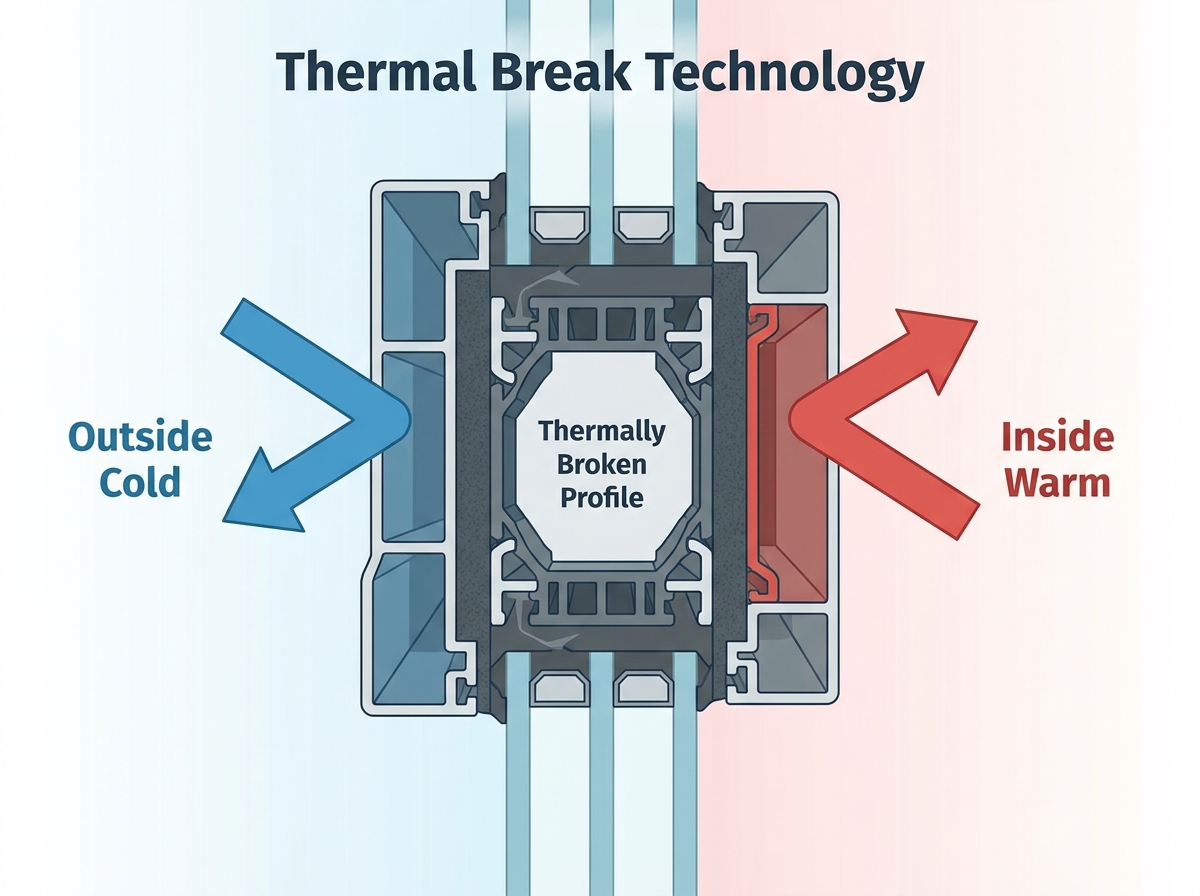
Historically, metal frames were criticized for their poor thermal performance. Because metal is an excellent conductor of heat, early iterations of metal doors allowed cold air to easily transfer into the building during winter and heat to penetrate during summer. Wood, with its natural insulating properties, was vastly superior in this regard. However, the advent of thermal break technology has completely leveled the playing field.
Modern thermally broken systems feature a structural insulating barrier—often made of polyamide or polyurethane—inserted between the interior and exterior aluminum profiles. This thermal break effectively interrupts the conductive path, preventing energy transfer and significantly enhancing the overall insulation value of the frame. When combined with high-performance, low-emissivity (Low-E) insulated glass units and advanced weatherstripping, thermally broken metal doors can meet or exceed the most stringent energy codes, rivaling or surpassing the thermal performance of traditional wood doors.
While wood offers a specific, natural aesthetic, metal provides unparalleled versatility in design. The extrusion process allows for the creation of intricate, highly optimized profiles that maximize strength while minimizing visual bulk. This results in the ultra-narrow sightlines that are the hallmark of modern architecture. Furthermore, the finishing options for metal are virtually limitless.
Architects and designers can specify custom aluminum doors in an endless array of colors to match or contrast with the building's exterior and interior palettes. Powder coating allows for exact color matching, while anodizing provides a sleek, metallic finish that highlights the material's natural character. Additionally, many manufacturers offer dual-color options, allowing the exterior of the door to be a different color than the interior, providing ultimate design flexibility that is difficult and expensive to achieve with wood.
To illustrate the pinnacle of modern fenestration engineering, we can examine the specific attributes of the DAW Aluminum Sliding Door. This product exemplifies how advanced materials and meticulous design can overcome the traditional limitations of architectural openings, providing a superior solution for both residential and commercial applications.
The foundation of the DAW Aluminum Sliding Door is its robust frame, constructed from thermally broken aluminum profiles utilizing high-strength 6060-T66 alloy. This specific alloy provides exceptional structural rigidity, allowing the system to support massive glass expanses. The frame thickness, which can be customized (e.g., 1.4mm), ensures that the doors maintain their dimensional stability even under significant wind loads and structural stress. This incredible strength enables the creation of expansive openings, with maximum panel dimensions reaching up to 6 feet wide by 12 feet tall per panel. Achieving such monumental sizes with wood would require impractically bulky frames and would be highly susceptible to warping under the immense weight of the glass.
Security and ease of operation are paramount for large sliding systems. The DAW Aluminum Sliding Door addresses these needs through precision-engineered hardware. The heavy panels glide effortlessly on adjustable tandem ball-bearing rollers, ensuring smooth operation regardless of the door's size or weight. To guarantee long-term reliability, the hardware undergoes rigorous cycle testing, proven to withstand over 50,000 cycles. Security is prioritized through the inclusion of multi-point locking systems, which secure the door at multiple points along the jamb, providing robust protection against forced entry. This level of integrated security and smooth functionality is a testament to the precision engineering possible with extruded metal systems.
Environmental control is a critical function of any exterior door. The DAW system excels in this area through its thermally broken profiles, which reduce energy transfer and provide a highly effective thermal barrier. The system accommodates various glazing options, including 5mm tempered glass or 1-inch dual-pane insulated units (e.g., 5-9A-5), allowing for tailored thermal and acoustic performance. Speaking of acoustics, this system offers impressive noise reduction capabilities, capable of dampening sound transmission by up to 85dB to 32dB, creating a serene indoor environment even in noisy urban settings. Superior weather protection is further ensured by high-quality EPDM or silicone weather seals, which prevent air and water infiltration far more effectively than traditional wood door weatherstripping.
The versatility and durability of advanced metal systems make them suitable for a wide range of demanding applications. In residential settings, they are the ideal choice for connecting living rooms, bedrooms, and kitchens to outdoor patios, decks, or balconies. Their slim profiles maximize natural light and frame unobstructed views of the surrounding landscape, seamlessly blending indoor and outdoor living spaces.
In the commercial sector, these doors are frequently utilized in hotels, restaurants, and cafes. The ability to withstand heavy daily use, combined with their sleek aesthetic, makes them perfect for creating inviting entrances and flexible dining areas that can be opened up during favorable weather. Furthermore, because of their exceptional structural integrity, these systems are highly recommended for high wind zones and impact-resistant areas. With Florida-approved options available, they provide critical protection against severe weather events, a level of resilience that standard wood doors simply cannot match.
The practical aspects of implementing these modern systems have also been highly refined. The DAW Aluminum Sliding Door offers versatile frame designs available as knockdown (KD) for easy on-site assembly, with or without a nailing fin, or as block frames to suit various construction methods. It is important to note that while the product is highly adaptable, on-site installation services are limited to specific regions, such as Australia. Furthermore, specifications such as dimensions, glass type, and frame thickness are highly customizable and vary by order, reflecting the bespoke nature of modern architectural products.
Quality assurance is backed by an extensive array of industry certifications. The system meets stringent standards, holding certifications from the NFRC, AAMA (specifically AAMA2604 for its durable powder-coated finishes), CSA, and AS2047. The finishes themselves are available in both powder-coated and anodized options (including Clear, Bronze, Black, and Kynar), ensuring long-lasting aesthetic appeal. Finally, the product is supported by a 10-year limited warranty covering all components and glass, alongside 24/7 remote technical assistance, providing peace of mind that far exceeds the typical guarantees associated with traditional wood products.
The DAW Aluminum Sliding Door represents a superior architectural solution, combining the immense structural strength of 6060-T66 thermally broken alloy with elegant, customizable aesthetics. Its ability to support massive 6-foot by 12-foot panels while maintaining effortless operation via adjustable tandem ball-bearing rollers makes it exceptionally practical for modern residential and commercial spaces seeking seamless indoor-outdoor transitions. With robust multi-point locking systems for enhanced security, superior EPDM or silicone weather seals, and impressive acoustic insulation, it delivers tangible value in comfort, safety, and energy efficiency. Backed by a 10-year limited warranty, rigorous 50,000-cycle testing, and premium AAMA2604-certified finishes, this system offers architects and homeowners a highly durable, low-maintenance, and visually stunning alternative to traditional materials, perfectly suited for the demands of contemporary living.


