Substrate Condition
Use substrate condition as a pass/fail check for interior aluminum doors and frames. If the condition cannot be confirmed on the elevation, section or schedule, the product comparison is premature.

Relate the component dimensions, fastening and mating surfaces to the complete assembly when reviewing Interior Aluminum Doors and Frames.
Treat interior aluminum doors and frames as an opening problem with a product attached to it, not the other way around. Instead of comparing only appearance, test the request against substrate condition, sealant joint width, replacement tolerance and service access. This turns a broad phrase into a measurable project condition.
The signature emphasis for this page is drawing control. That gives interior aluminum doors and frames a different decision path from close spelling, singular/plural or size variants.
Use DAW’s published products to establish a configuration direction, then verify the requested construction against drawings instead of transferring specifications from a different opening. For this keyword, compare the relevant DAW route specifically through substrate condition and sealant joint width. For interior aluminum doors and frames, keep this point tied to the page-specific opening and approved drawing set.


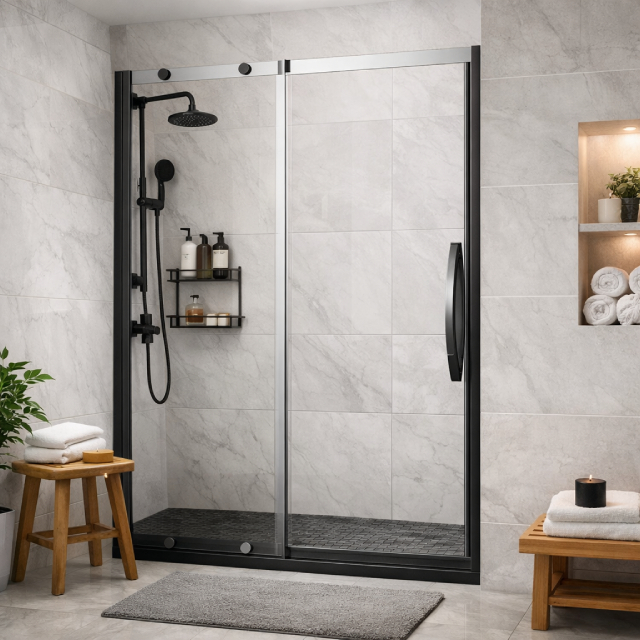

For interior aluminum doors and frames, external technical sources are most useful when they are translated into drawing checks. The summaries below connect general industry guidance with the opening geometry, glazing and sealing questions that affect this keyword.
Source summary: DOE describes caulking as a treatment for stationary gaps and weatherstripping as a seal for moving components. For fenestration, that distinction helps separate the frame-to-wall perimeter from operable panel or sash contacts. For interior aluminum doors and frames, this summary is used as an external check on the project decision, not as a substitute specification.
Connection to Interior Aluminum Doors and Frames: Applied to interior aluminum doors and frames, the DOE distinction helps assign different details to stationary perimeter sealant and moving weatherstrips; both affect long-term serviceability.
Source summary: DOE purchasing guidance calls attention to fenestration air leakage as an energy pathway. A high-performing glass package can therefore be undermined if the frame perimeter or operable joints are poorly controlled. For interior aluminum doors and frames, this summary is used as an external check on the project decision, not as a substitute specification.
Connection to Interior Aluminum Doors and Frames: Applied to interior aluminum doors and frames, the source supports checking frame/perimeter leakage paths and operable seals rather than assuming a glass value describes the whole opening.
Source summary: Accessibility guidance focuses on usable passage and the space needed to approach and operate a door. It also distinguishes sliding/folding movement from swing-door movement, so the measured clear opening must reflect the actual configuration. For interior aluminum doors and frames, this summary is used as an external check on the project decision, not as a substitute specification.
Connection to Interior Aluminum Doors and Frames: The link to interior aluminum doors and frames is practical: replacement tolerance must be verified after panel/leaf movement is accounted for, otherwise the scheduled width can overstate usable passage.
Specification note: Keep these external principles in the technical review, but use the confirmed DAW product and project documents as the controlling source for final values and compliance.
Use substrate condition as a pass/fail check for interior aluminum doors and frames. If the condition cannot be confirmed on the elevation, section or schedule, the product comparison is premature.
Use sealant joint width as a pass/fail check for interior aluminum doors and frames. If the condition cannot be confirmed on the elevation, section or schedule, the product comparison is premature.
Use replacement tolerance as a pass/fail check for interior aluminum doors and frames. If the condition cannot be confirmed on the elevation, section or schedule, the product comparison is premature.
Resolve service access early. For interior aluminum doors and frames, this affects the geometry the installer and user actually encounter, so it should be shown rather than left to interpretation.
When interior aluminum doors and frames is used at frame repair condition, usage pattern matters more than a generic brochure description. Document sealant joint width and service access for that specific opening.
For service-access zone, compare how often the opening is used, what it is exposed to, and how replacement tolerance will be maintained. That context can change the preferred interior aluminum doors and frames arrangement.
replacement detail changes the selection logic. interior aluminum doors and frames should be evaluated for service access, then checked against finish compatibility before the visual design is frozen.
In new-construction section, the emphasis shifts toward water-shedding path. For interior aluminum doors and frames, check that this priority does not compromise mating profile geometry or create a difficult perimeter detail.


Use the site survey to verify the structural opening and finished opening separately. If the value differs from the design drawing, resolve it before interior aluminum doors and frames is quoted or released.
Check the project requirement for substrate condition with the relevant adjacent construction visible. For interior aluminum doors and frames, isolated dimensions can be misleading without the surrounding interface.
Make the dimension or interface that controls sealant joint width a documented approval point for interior aluminum doors and frames, with the responsible drawing revision identified.
Check the installation detail for replacement tolerance with the relevant adjacent construction visible. For interior aluminum doors and frames, isolated dimensions can be misleading without the surrounding interface.
Check glass or infill, finish and hardware direction with the relevant adjacent construction visible. For interior aluminum doors and frames, isolated dimensions can be misleading without the surrounding interface.
Use the site survey to verify future access for service access. If the value differs from the design drawing, resolve it before interior aluminum doors and frames is quoted or released.
Use the site survey to verify the quantity, opening mark and approved drawing revision. If the value differs from the design drawing, resolve it before interior aluminum doors and frames is quoted or released.
Use Aluminium Bathroom Doors as a verified DAW comparison route for interior aluminum doors and frames, concentrating on substrate condition. Confirm the exact configuration from the linked product information and the project drawing.
View DAW Product →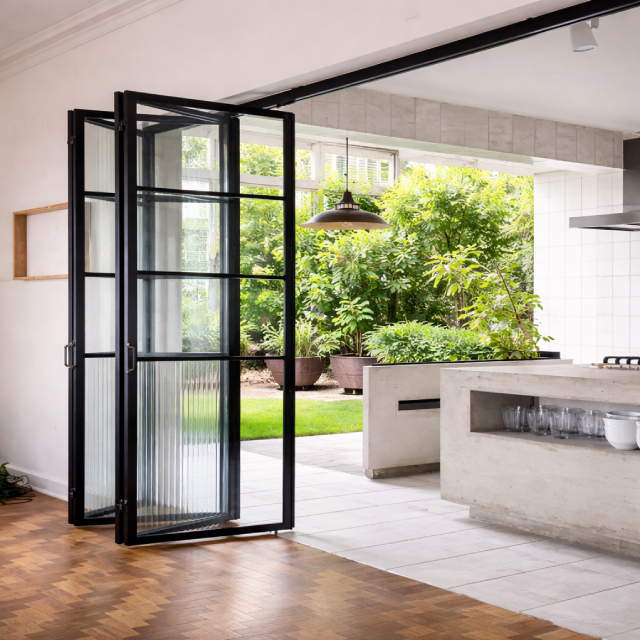
When reviewing interior aluminum doors and frames, open the Aluminum Sliding Door page to check the closest published system. The project decision to carry forward is sealant joint width; unverified options should stay out of the specification.
View DAW Product →Use Aluminum Bifold Door as a verified DAW comparison route for interior aluminum doors and frames, concentrating on replacement tolerance. Confirm the exact configuration from the linked product information and the project drawing.
View DAW Product →To compare interior aluminum doors and frames with a verified DAW system, provide enough information to reconstruct the opening: dimensions, operation, adjacent finishes, quantity, glazing/infill and the current drawing revision.
The brief should explicitly flag substrate condition and sealant joint width. Those are the two checks most likely to distinguish this interior aluminum doors and frames page from a neighboring keyword page.
Send the opening data and the decisions around substrate condition and sealant joint width; DAW can then compare interior aluminum doors and frames with the closest verified product route.
This page gives interior aluminum doors and frames its own emphasis on drawing control. In practice, compare substrate condition and sealant joint width before assuming a nearby spelling or product family is interchangeable.
Separate rough/structural opening, finished opening, frame size and usable opening. Then add the dimension that controls substrate condition for this interior aluminum doors and frames condition.
Substrate condition changes how the opening operates, interfaces or is maintained. It should therefore be visible on the relevant drawing rather than buried in a generic note.
Show sealant joint width on the elevation, section or opening schedule that controls the order. If it cannot be located on an approved drawing, it is not yet a reliable product requirement. For interior aluminum doors and frames, keep this point tied to the page-specific opening and approved drawing set.
This page uses independent guidance on access, glazing safety and air-sealing/fenestration as applicable. Those sources explain design checks; they do not replace DAW product data or local project requirements.
No. A related DAW page confirms that the product route exists, but exact dimensions, glass, hardware, ratings and options for interior aluminum doors and frames still need project-specific confirmation.
Include opening size, quantity, operation, glass or infill, finish, hardware expectations, drawings and the two signature decisions: substrate condition and sealant joint width.
Choose another route if the proposed system cannot satisfy substrate condition, sealant joint width or the available installation/service space without forcing a poor interface.