Exposure
Mark rain, sun, wind and sheltered versus unsheltered conditions around the doorway. Test this point against recorded site data and the maintenance access constraint.

Align the entrance around weather exposure, threshold drainage, security operating hardware, daylight, clear passage and the architectural role of the façade.
exterior aluminum door needs a scope that matches the real doorway, its users and the nearby construction. For weather-exposed doors, the perimeter is a building-envelope junction: water, air, floor levels and wall finishes all converge around the frame. A door remains a moving product after handover; cleaning, adjustment and component renewal is best possible without dismantling nearby construction. For exterior aluminum door, the working objective is: Choose Exterior Aluminum Door by matching the door system to the doorway, movement, environment and scheme priorities. Use an doorway survey to control the later design decisions. The closest verified DAW references for this product approach are Aluminum Doors, Aluminium Door Design, Aluminium Bathroom Doors. DAW also publishes a door-design path for glazing, frame surface finish plus operating hardware discussions. Where exterior aluminum door is not an exact named DAW product, those published systems remain reference points only; the requested construction still needs confirmation from scheme drawings. It turns a broad concept into project details that can be checked and released.
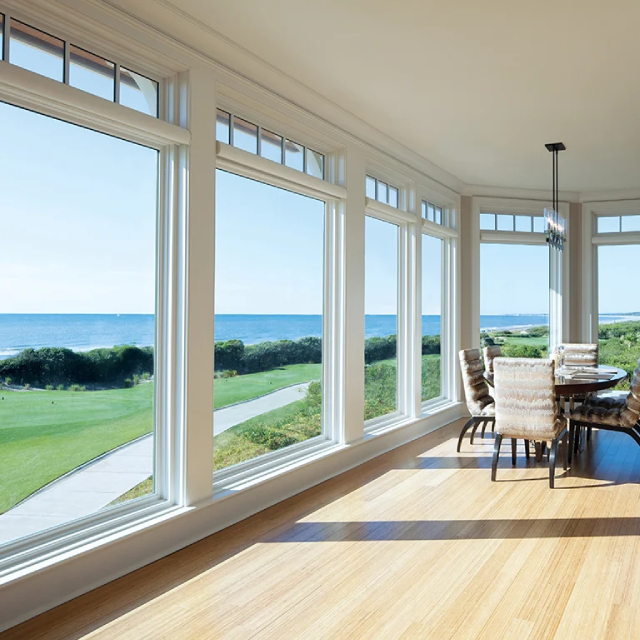



The U.S. Department of Energy reference is used here as industry background for envelope junction in a exterior aluminum door decision. DOE guidance emphasizes durable weatherstripping and door sweeps that limit infiltration without impeding door use. The second lens is maintenance access: Design for adjustment and service after site fitting. Tracks, rollers, seals and fasteners should not become inaccessible behind finishes or stationary furniture. Do not transfer a general technical principle into a DAW performance claim unless the exact product page or approved scheme documentation verifies it.
Mark rain, sun, wind and sheltered versus unsheltered conditions around the doorway. Test this point against recorded site data and the maintenance access constraint.
Separate the door-frame-to-doorway seal from moving-leaf weather seals and leave serviceable joints where appropriate. On exterior aluminum door, resolve this prior to adjacent finishes or operating hardware positions become stationary.
Document roof overhangs, façade exposure and the approach in which wind-driven rain can reach the doorway. Keep this envelope junction decision traceable through later revisions to exterior aluminum door.
Mark rollers, seals, screens or guides that may need service and ensure their removal path remains open. Link the approved value to the specific exterior aluminum door doorway mark instead of a general note.
Frequent utility use can place more emphasis on straightforward operating hardware and threshold durability. In this setting, test envelope junction prior to settling the visible exterior aluminum door particulars.
Exterior floor build-up, waterproofing and door threshold levels need one coordinated datum. Here, maintenance access can change the practical value of the same exterior aluminum door plan.
Direct exposure puts greater emphasis on head, jamb and sill junctions than a deeply recessed entrance. Use the application to determine whether envelope junction deserves priority over appearance-led choices.
Maintenance teams benefit from standardized access to adjustments and replaceable parts across repeated openings. Document the application-specific exception on the exterior aluminum door doorway schedule.
| Choice Point | Why It Matters | What to Confirm |
|---|---|---|
| Exposure | Operating requirement | Compare exposure with the DAW product approach most relevant to envelope junction. |
| Perimeter joint design | Junction verify | Determine whether perimeter joint design alters passage, frame depth or the operating hardware set for exterior aluminum door. |
| Rain path and shelter | Scheme coordination | Carry the agreed rain path and shelter through drawing, procurement and fitting project details. |
| Replaceable wear parts | Service consideration | Use envelope junction as the acceptance lens for replaceable wear parts on this doorway. |
| Inspection visibility | Approval checkpoint | Cross-verify inspection visibility against maintenance access prior to the exterior aluminum door package is released. |
Mark rain, sun, wind and sheltered versus unsheltered conditions around the doorway. Keep the decision visible to both procurement and site teams.
Separate the door-frame-to-doorway seal from moving-leaf weather seals and leave serviceable joints where appropriate. Connect this directly to exterior aluminum door prior to adjacent finishes are stationary.
Document roof overhangs, façade exposure and the approach in which wind-driven rain can reach the doorway. Use the recorded state and the envelope junction priority as the verify.
Mark rollers, seals, screens or guides that may need service and ensure their removal path remains open. Cross-verify the result against maintenance access so one decision does not create another conflict.
Key joints and drainage outlets should not disappear permanently behind cosmetic covers. Carry the approved result into the doorway mark and site fitting note.
DAW door category for comparing operating types, glazing and scheme-specific configurations. For exterior aluminum door, relate this product approach to envelope junction and the approved doorway geometry. Compare this DAW system where its door action or frame relationship overlaps the scheme requirement.
View DAW Product Route →DAW design-options product approach for discussing surface finish, glazing, operating hardware and doorway style. For exterior aluminum door, relate this product approach to envelope junction and the approved doorway geometry. Assessment this product page to confirm available configurations prior to transferring any detail into the scheme schedule.
View DAW Product Route →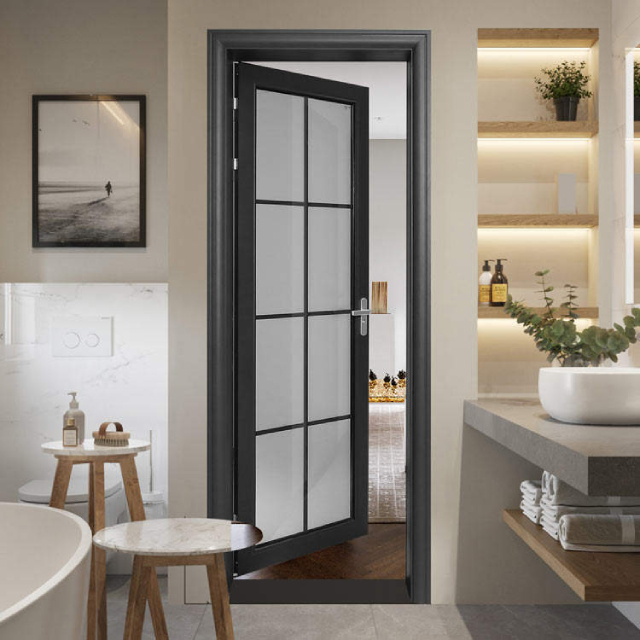
Verified bathroom-door product approach for visual privacy, moisture-prone rooms and compact interior openings. For exterior aluminum door, relate this product approach to envelope junction and the approved doorway geometry. Use this as a related DAW product approach; exact suitability for the requested term still needs scheme-specific confirmation.
View DAW Product Route →Use DAW’s published range as the factual base for exterior aluminum door. A practical inquiry should explain choose exterior aluminum door by matching the door system to the doorway, movement, environment and scheme priorities. Add the approved rain path and shelter and replaceable wear parts so the team can compare the requirement with the closest verified system.
Share size data, drawings, quantity and the intended use. DAW can compare the requirement with its verified aluminum door and window routes and assessment the appropriate next step.
Mark rain, sun, wind and sheltered versus unsheltered conditions around the doorway. For exterior aluminum door, resolve this point together with envelope junction so the doorway does not inherit a dimensional or operating conflict.
Separate the door-frame-to-doorway seal from moving-leaf weather seals and leave serviceable joints where appropriate. The approved state is best visible on the drawing or doorway schedule prior to the product is released.
Frequent utility use can place more emphasis on straightforward operating hardware and threshold durability. Use that application context to determine whether the DAW Aluminum Doors product approach is a direct fit or only a related reference.
The first product approach to assessment is Aluminum Doors, followed by Aluminium Door Design where its use or junction is relevant. Exact suitability still depends on the scheme drawing and confirmed configuration.
For weather-exposed doors, the perimeter is a building-envelope junction: water, air, floor levels and wall finishes all converge around the frame. Apply that lens specifically to rain path and shelter and document any resulting change to the frame, panel movement, glazing or nearby construction.
A door remains a moving product after handover; cleaning, adjustment and component renewal is best possible without dismantling nearby construction. Use the related checks for replaceable wear parts and compare them with the recorded doorway as opposed to relying on a generic catalog description.
At minimum, show the doorway mark, size data, intended movement, exposure, inspection visibility, glazing or infill approach where applicable, and any retained or adjacent construction that affects site fitting.
Consider another DAW door family when the proposed product approach cannot satisfy the required passage, movement zone, envelope junction, maintenance access or service access without forcing unsuitable junctions.