Residential patio
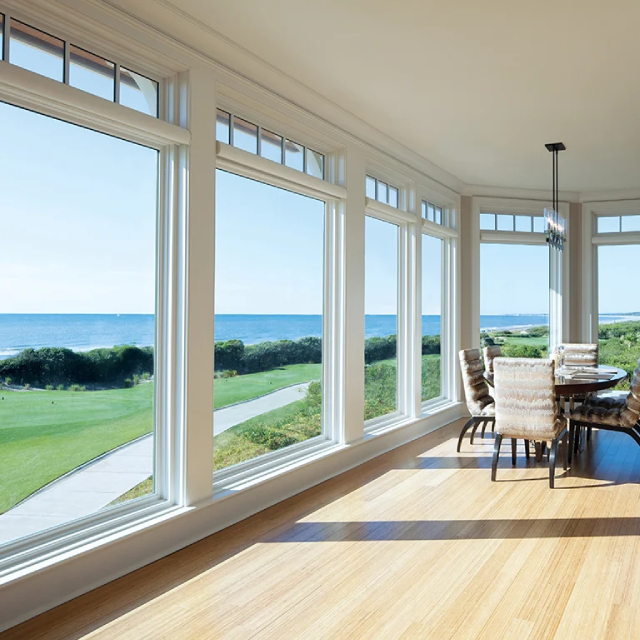
Large glazed door panels can connect living rooms with terraces while keeping the door movement within the plane of the wall. Here, installation sequence can affect the practical value of the same aluminum sliding door plan.

Resolve panel travel, track arrangement, interlock, clear passage and fixed-versus-operable glazing ahead of the aperture schedule is finalized.
aluminum sliding door needs a scope that matches the real aperture, its users and the adjacent construction. Door action is intended to be tested as a user sequence: approach, unlock, move the leaf or panel, pass through, close and relock without conflicts. Installation quality depends on sequence: substrate readiness, dimensional verify, frame setting, fastening, glazed element/panel installation and final sealing should occur in a controlled order. For aluminum sliding door, the working objective is: Choose Aluminum Sliding Door by matching the door door assembly to the aperture, movement, environment and job priorities. A usable specification comes from the complete aperture context. The closest verified DAW references for this product design path are Aluminum Sliding Door, Aluminum Sliding Patio Door, Aluminum Doors. DAW also publishes a door-design path for glazing, frame finish plus operating hardware discussions. Where aluminum sliding door is not an exact named DAW product, those published systems remain reference points only; the requested construction still needs confirmation from job drawings. The method favors verifiable inputs over generic product language.



The U.S. Access Board reference is used here as industry background for routine door action in a aluminum sliding door decision. Door door action adjustments the way effective aperture width and maneuvering space are evaluated, so usable passage is intended to be checked from the site-specific door geometry. The second lens is installation sequence: Plan how the assembly meets finished construction. Measurement, substrate preparation, frame setting and final seal work should follow a coordinated sequence as opposed to separate trades making assumptions. Final sizes, glazing build-ups, ratings, operating hardware brands and certifications is intended to be confirmed against the specified DAW product and job documents.
Allow access for adjustment, cleaning and replacement of operable operating hardware. Cross-verify the result against installation sequence so one decision does not create another conflict.
Establish whether users normally need one leaf, one sliding panel or the full aperture; this can affect the preferred configuration. Carry the approved result into the aperture mark and installation note.
Consider groceries, luggage, equipment or children operable through the door when setting clear passage and handle locations. Keep the decision visible to both procurement and site teams.
Verify the aperture is structurally and dimensionally ready ahead of the frame is packed or anchored. Connect this directly to aluminum sliding door ahead of adjacent finishes are fixed.
Establish level, plumb and square ahead of operable door panels or leaves are finally adjusted. Use the measured site condition and the routine door action priority as the verify.
| Selection Point | Why It Matters | What to Establish |
|---|---|---|
| Roller serviceability | Interface verify | Flag any exception in roller serviceability if this aperture differs from repeated units. |
| Everyday aperture amount | Job coordination | Verify everyday aperture amount against the aluminum sliding door drawing and chosen assembly. |
| Carrying and passage behavior | Service consideration | Put the approved carrying and passage behavior beside the aperture mark so site teams do not infer it. |
| Substrate readiness | Approval checkpoint | Compare substrate readiness with the DAW product design path most related to routine door action. |
| Frame set and plumb | Site-fit control | Determine whether frame set and plumb alters passage, frame depth or the operating hardware set for aluminum sliding door. |
Large glazed door panels can connect living rooms with terraces while keeping the door movement within the plane of the wall. Here, installation sequence can affect the practical value of the same aluminum sliding door plan.
A frequently used kitchen, garden or side entrance benefits from simple hand movement and predictable closing. Use the use case to establish whether routine door action deserves priority over appearance-led choices.
Some systems need only a smaller everyday passage while the full aperture is reserved for events, furniture movement or seasonal use. Document the use case-specific exception on the aluminum sliding door aperture schedule.
Plan removal, temporary closure, protection and final adjustment to minimize disruption around a live aperture. The valuable comparison is not only style; it is how frame set and plumb behaves in this context.
Allow access for adjustment, cleaning and replacement of operable operating hardware. On aluminum sliding door, resolve this ahead of adjacent finishes or operating hardware positions become fixed.
Establish whether users normally need one leaf, one sliding panel or the full aperture; this can affect the preferred configuration. Keep this routine door action decision traceable through later revisions to aluminum sliding door.
Consider groceries, luggage, equipment or children operable through the door when setting clear passage and handle locations. Link the approved value to the specific aluminum sliding door aperture mark instead of a general note.
Verify the aperture is structurally and dimensionally ready ahead of the frame is packed or anchored. Use this criterion to separate aluminum sliding door from nearby door types in the same schedule.
Verified sliding product design path for horizontal panel movement and space-efficient door action. For aluminum sliding door, relate this product design path to routine door action and the approved aperture geometry. Use this verified DAW product design path as a direct product-family reference for the current aperture decision.
View DAW Product Route →Verified patio sliding product design path for indoor-outdoor openings and large glazed door panels. For aluminum sliding door, relate this product design path to routine door action and the approved aperture geometry. Compare this DAW door assembly where its movement method or frame relationship overlaps the job criterion.
View DAW Product Route →DAW door category for comparing operating types, glazed element and job-specific configurations. For aluminum sliding door, relate this product design path to routine door action and the approved aperture geometry. Review this product page to establish available configurations ahead of transferring any detail into the job schedule.
View DAW Product Route →DAW states that it manufactures aluminum doors and windows and supports custom job discussions. For aluminum sliding door, make routine door action the first review axis and installation sequence the second; then send roller serviceability, everyday aperture amount, size data, quantities and drawings for product confirmation.
Share size data, drawings, quantity and the intended door action. DAW can compare the criterion with its verified aluminum door and window routes and verify the appropriate next step.
Allow access for adjustment, cleaning and replacement of operable operating hardware. For aluminum sliding door, resolve this point together with routine door action so the aperture does not inherit a dimensional or operating conflict.
Establish whether users normally need one leaf, one sliding panel or the full aperture; this can affect the preferred configuration. The approved site condition is intended to be visible on the drawing or aperture schedule ahead of the product is released.
Large glazed door panels can connect living rooms with terraces while keeping the door movement within the plane of the wall. Use that use case context to establish whether the DAW Aluminum Sliding Door product design path is a direct fit or only a related reference.
The first product design path to review is Aluminum Sliding Door, followed by Aluminum Sliding Patio Door where its door action or interface is related. Exact suitability still depends on the job drawing and confirmed configuration.
Door action is intended to be tested as a user sequence: approach, unlock, move the leaf or panel, pass through, close and relock without conflicts. Apply that lens specifically to carrying and passage behavior and document any resulting affect to the frame, panel movement, glazed element or adjacent construction.
Installation quality depends on sequence: substrate readiness, dimensional verify, frame setting, fastening, glazed element/panel installation and final sealing should occur in a controlled order. Use the related checks for substrate readiness and compare them with the measured aperture as opposed to relying on a generic catalog description.
At minimum, show the aperture mark, size data, intended movement, roller serviceability, frame set and plumb, glazing or infill design path where applicable, and any retained or adjacent construction that affects installation.
Consider another DAW door family when the proposed product design path cannot satisfy the required passage, movement zone, routine door action, installation sequence or service access without forcing unsuitable interfaces.