Leaf Movement
Make leaf movement visible in the submittal. For aluminum door shoe, this single check helps separate a genuinely compatible route from a merely similar-looking product.

Define operation, user path, frame/infill arrangement and perimeter conditions for Aluminum Door Shoe.
Before a model or finish is discussed, aluminum door shoe should be translated into dimensions, movement, glass/infill and interface conditions. For this opening, use leaf movement as the primary decision axis and frame/infill layout as the secondary one; threshold interface and hardware function should be verified before release.
The signature emphasis for this page is procurement clarity. That gives aluminum door shoe a different decision path from close spelling, singular/plural or size variants.
A verified DAW product route is useful for comparison, but it does not turn every search variation into a published model. Final configuration should remain drawing-led. For this keyword, compare the relevant DAW route specifically through leaf movement and frame/infill layout. For aluminum door shoe, keep this point tied to the page-specific opening and approved drawing set.
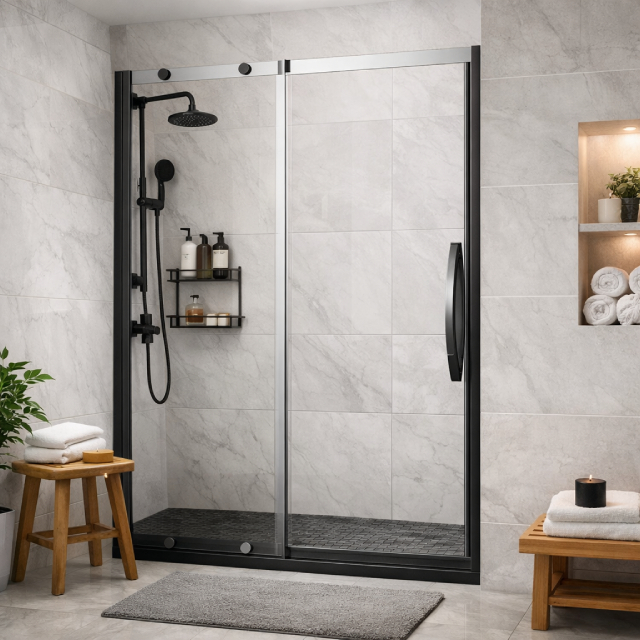



The technical context for aluminum door shoe is broader than one product data sheet. Independent guidance on access, glazing safety and envelope joints helps explain what the project team should verify before a DAW configuration is approved.
Source summary: The Access Board explains door accessibility in terms of the opening people actually use: clear width, approach space, thresholds and maneuvering clearances. Sliding and folding doors are specifically treated as operating conditions that affect the required approach area. On this aluminum door shoe page, the point is translated into a drawing question so the technical context stays connected to the actual opening.
Connection to Aluminum Door Shoe: Applied to aluminum door shoe, this is a reminder to test leaf movement in the final operating geometry and along the real approach path.
Source summary: CPSC identifies exterior/interior doors and patio-type sliding glass doors among the architectural products covered by the federal safety-glazing standard. The location of glass within a door assembly therefore carries safety implications beyond appearance. The relevance to aluminum door shoe is therefore procedural: use the principle to verify the opening, then confirm the selected DAW configuration separately.
Connection to Aluminum Door Shoe: With aluminum door shoe, large or highly visible glass areas still need location-appropriate safety review; appearance and safety should be specified together.
Source summary: DOE separates stationary joints from moving joints: caulk is generally used at fixed cracks around frames, while weatherstripping is used where doors and operable windows move. The two joint types need different detailing and maintenance. On this aluminum door shoe page, the point is translated into a drawing question so the technical context stays connected to the actual opening.
Connection to Aluminum Door Shoe: For aluminum door shoe, separate the fixed frame-to-wall joint from moving seals. Threshold interface should be detailed so cleaning and replacement do not compromise the perimeter air/water line.
Use of sources: The points above are design checks, not substituted DAW specifications. The selected aluminum door shoe configuration should be verified against current product information, approved drawings and the project jurisdiction.
Make leaf movement visible in the submittal. For aluminum door shoe, this single check helps separate a genuinely compatible route from a merely similar-looking product.
Review frame/infill layout from both operation and maintenance perspectives. A aluminum door shoe detail that works on installation day may still be poor if normal adjustment requires removing finished work.
Review threshold interface from both operation and maintenance perspectives. A aluminum door shoe detail that works on installation day may still be poor if normal adjustment requires removing finished work.
For hardware function, compare the design condition with the site condition. aluminum door shoe should not be released until the difference—if any—is documented and accepted.
When aluminum door shoe is used at residential entrance, usage pattern matters more than a generic brochure description. Document frame/infill layout and hardware function for that specific opening.
For patio opening, compare how often the opening is used, what it is exposed to, and how threshold interface will be maintained. That context can change the preferred aluminum door shoe arrangement.
commercial access point is a good test case for aluminum door shoe: confirm hardware function at full scale and make sure finish coordination remains practical after adjacent finishes are installed.
interior division changes the selection logic. aluminum door shoe should be evaluated for perimeter seal, then checked against serviceability before the visual design is frozen.


Complete the structural opening and finished opening separately before the next trade closes the opening. This keeps aluminum door shoe coordination tied to measured conditions rather than assumptions.
Complete the project requirement for leaf movement before the next trade closes the opening. This keeps aluminum door shoe coordination tied to measured conditions rather than assumptions.
Make the dimension or interface that controls frame/infill layout a documented approval point for aluminum door shoe, with the responsible drawing revision identified.
Complete the installation detail for threshold interface before the next trade closes the opening. This keeps aluminum door shoe coordination tied to measured conditions rather than assumptions.
Record glass or infill, finish and hardware direction directly on the opening mark; for aluminum door shoe, this prevents a later drawing revision from silently changing the design basis.
Make future access for hardware function a documented approval point for aluminum door shoe, with the responsible drawing revision identified.
Check the quantity, opening mark and approved drawing revision with the relevant adjacent construction visible. For aluminum door shoe, isolated dimensions can be misleading without the surrounding interface.
Aluminum Doors is relevant to aluminum door shoe because it provides a current DAW reference for opening type, frame relationship or glazing. Compare it through leaf movement rather than assuming a name match.
View DAW Product →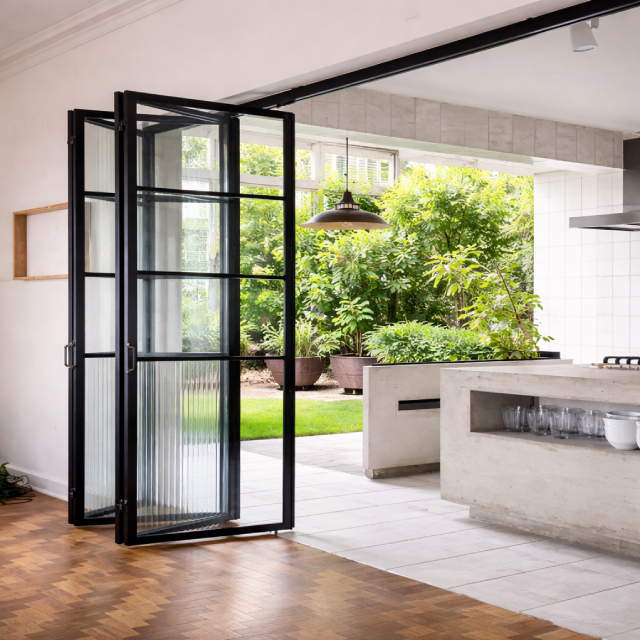
Use Aluminum Sliding Door as a verified DAW comparison route for aluminum door shoe, concentrating on frame/infill layout. Confirm the exact configuration from the linked product information and the project drawing.
View DAW Product →Aluminum Bifold Door is relevant to aluminum door shoe because it provides a current DAW reference for opening type, frame relationship or glazing. Compare it through threshold interface rather than assuming a name match.
View DAW Product →To compare aluminum door shoe with a verified DAW system, provide enough information to reconstruct the opening: dimensions, operation, adjacent finishes, quantity, glazing/infill and the current drawing revision.
For aluminum door shoe, identify the decision owner for leaf movement and the drawing location where frame/infill layout is confirmed. That makes quotation review faster and less ambiguous.
Send the opening data and the decisions around leaf movement and frame/infill layout; DAW can then compare aluminum door shoe with the closest verified product route.
This page gives aluminum door shoe its own emphasis on procurement clarity. In practice, compare leaf movement and frame/infill layout before assuming a nearby spelling or product family is interchangeable.
Separate rough/structural opening, finished opening, frame size and usable opening. Then add the dimension that controls leaf movement for this aluminum door shoe condition.
Leaf movement changes how the opening operates, interfaces or is maintained. It should therefore be visible on the relevant drawing rather than buried in a generic note.
Show frame/infill layout on the elevation, section or opening schedule that controls the order. If it cannot be located on an approved drawing, it is not yet a reliable product requirement. For aluminum door shoe, keep this point tied to the page-specific opening and approved drawing set.
This page uses independent guidance on access, glazing safety and air-sealing/fenestration as applicable. Those sources explain design checks; they do not replace DAW product data or local project requirements.
No. A related DAW page confirms that the product route exists, but exact dimensions, glass, hardware, ratings and options for aluminum door shoe still need project-specific confirmation.
Include opening size, quantity, operation, glass or infill, finish, hardware expectations, drawings and the two signature decisions: leaf movement and frame/infill layout.
Choose another route if the proposed system cannot satisfy leaf movement, frame/infill layout or the available installation/service space without forcing a poor interface.