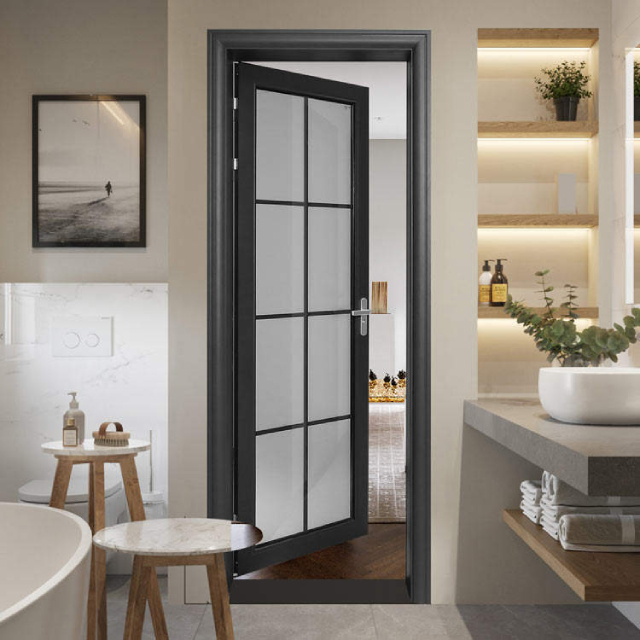
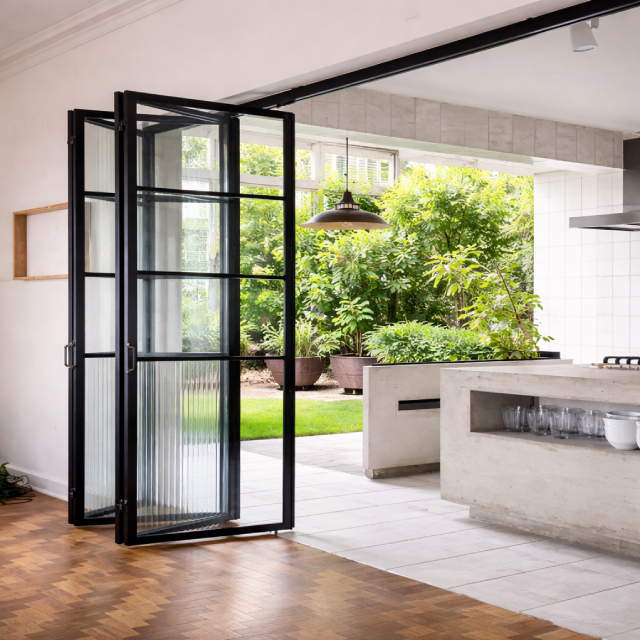
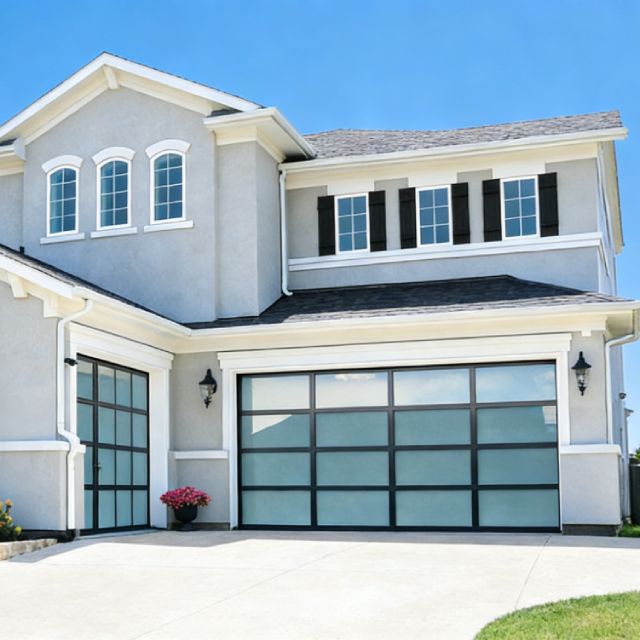
The technical context for aluminum and glass sliding doors is broader than one product data sheet. Independent guidance on access, glazing safety and envelope joints helps explain what the project team should verify before a DAW configuration is approved.
U.S. Access Board — Accessible Doorway Guidance
Source summary: The guidance links clear passage, threshold conditions and maneuvering space to the real door geometry. That is important because nominal frame width does not by itself describe the space available to a user. For the aluminum and glass sliding doors review, this source is being used to frame the opening-specific check rather than to supply a DAW product value.
Connection to Aluminum and Glass Sliding Doors: Applied to aluminum and glass sliding doors, this is a reminder to test fixed-versus-moving glass rhythm in the final operating geometry and along the real approach path.
View authoritative source →
CPSC — Glazing in Doors and Sliding Glass Doors
Source summary: CPSC’s scope expressly includes glazing in doors and patio-type sliding glass doors. For project teams, that means large glass areas at human contact locations require a safety-focused specification, not just a visual glass choice. For the aluminum and glass sliding doors review, this source is being used to frame the opening-specific check rather than to supply a DAW product value.
Connection to Aluminum and Glass Sliding Doors: The relevance to aluminum and glass sliding doors is direct whenever glass is within the door or adjacent hazardous location: the project team should confirm the required safety glazing for that specific opening.
View authoritative source →
U.S. Department of Energy — Air-Sealing Guidance
Source summary: DOE separates stationary joints from moving joints: caulk is generally used at fixed cracks around frames, while weatherstripping is used where doors and operable windows move. The two joint types need different detailing and maintenance. On this aluminum and glass sliding doors page, the point is translated into a drawing question so the technical context stays connected to the actual opening.
Connection to Aluminum and Glass Sliding Doors: The connection to aluminum and glass sliding doors is the joint map: identify which gaps never move and which cycle with the opening, then detail and maintain them accordingly.
View authoritative source →
Use of sources: The points above are design checks, not substituted DAW specifications. The selected aluminum and glass sliding doors configuration should be verified against current product information, approved drawings and the project jurisdiction.